CONSULENZA D'ARTE GRATUITA

x
Acquista stampa Acquista stampaOrdina la riproduzione Ordina la riproduzione InviaInvia
Dettagli operaDettagli opera Aggiungi ai preferiti Aggiungi ai preferiti ScaricaScarica SimiliSimili RadiografiaRadiografia SlideshowSlideshow

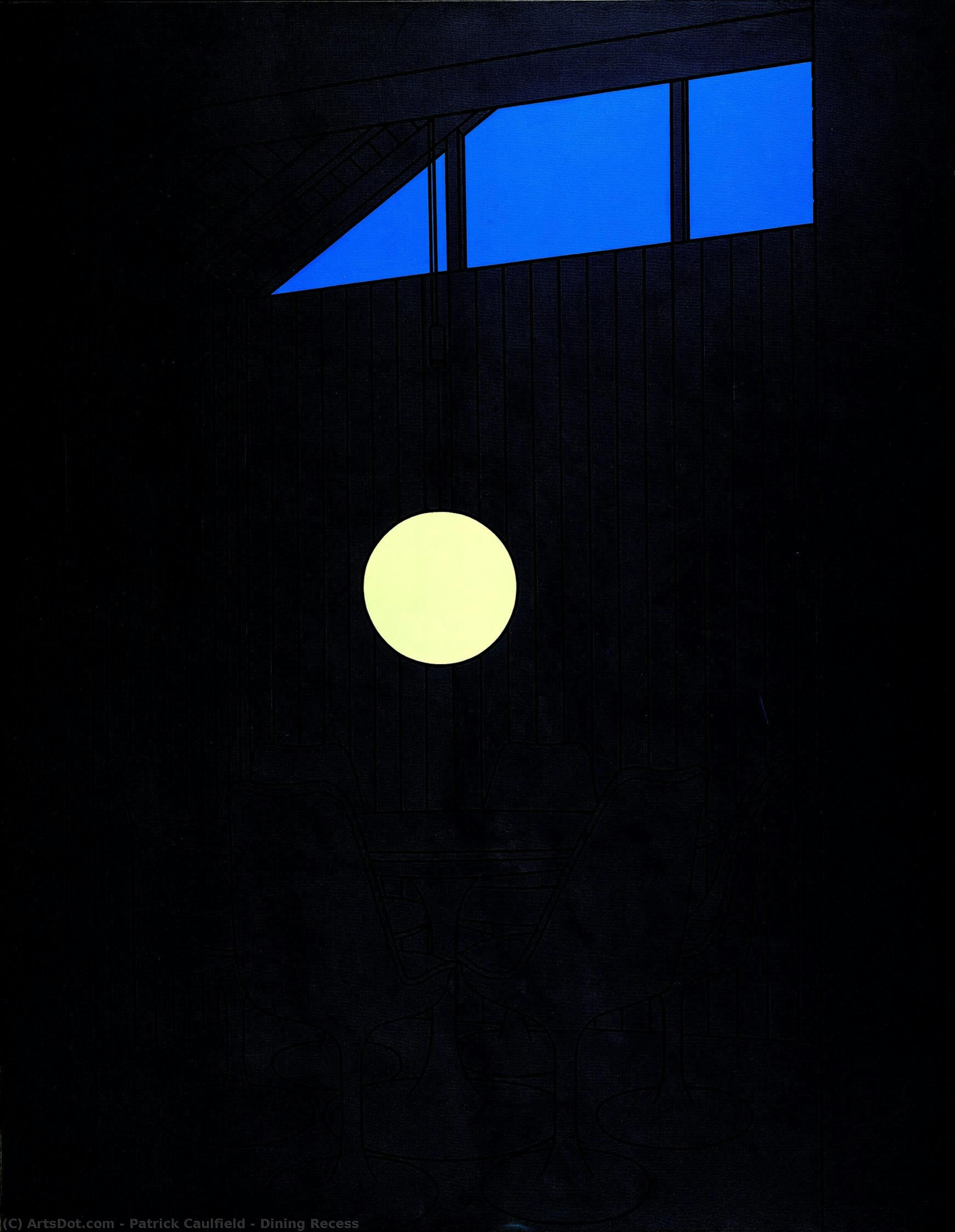
Dining Recess

Patrick Caulfield’s ‘Dining Recess,’ a stark black-and-white masterpiece from 1972, presents an eerie, minimalist dining scene with a dominant globe lamp and molded tulip chairs, capturing the loneliness of observation within British Pop Art.

Patrick Caulfield (1936-2005), artista Pop britannico noto per nature morte figurative, interni e uso audace di colori piatti e contorni neri. Nominato al Turner Prize, le sue opere sono in collezioni prestigiose come Saatchi & Bowie.

Acquista un'immagine digitale ad alta risoluzione e ottimizzata, di qualità nettamente superiore all'anteprima online.

Ogni file è meticolosamente preparato dai nostri specialisti interni attraverso l'uso di strumenti avanzati e un sapiente ritocco manuale. Garantiamo che ogni immagine presenti una chiarezza eccezionale, una precisione cromatica impeccabile e dettagli raffinati.

Il file finale viene consegnato via e-mail entro 72 ore, ottimizzato per un uso immediato in contesti professionali, editoriali e di stampa. Si tratta della stessa qualità affidata dai più prestigiosi studi di design, editori e gallerie d'arte.

Immagine Digitale

Scarica un file ad alta risoluzione per uso personale, per la stampa e per progetti creativi.

Prezzo totale

$9.99

Incluso in ogni ordine di immagini digitali

Consegna digitale professionale e garantita

Quando scegli WahooArt.com, non riceverai solo un'immagine: riceverai un'opera d'arte digitale professionalmente ottimizzata, realizzata con la massima precisione e accompagnata da una garanzia di soddisfazione. Ecco tutto ciò che include il tuo ordine, automaticamente:

shipping_icon
Consegna rapida via email

Riceverai il file dell'immagine digitale ad alta risoluzione via email entro 72 ore dall'ordine, pronto per un uso immediato.

canvas_icon
File digitale ottimizzato dall'IA

La tua opera d'arte viene ottimizzata professionalmente attraverso l'uso di strumenti avanzati di intelligenza artificiale e una revisione manuale, garantendo il massimo livello di dettaglio, nitidezza e accuratezza cromatica.

insurance_icon
Riconsegna gratuita a vita

Hai eliminato o perso accidentalmente il tuo file? Non preoccuparti: te lo invieremo di nuovo in qualsiasi momento, gratuitamente.

tax_icon
Nessun costo di importazione - Sempre

Goditi la tua opera d'arte istantaneamente senza costi doganali, dazi o spese di spedizione: i download digitali sono sempre esenti da tasse.

color_icon
Garanzia di fedeltà cromatica

Garantiamo che la tua immagine digitale rifletta i colori originali con la massima fedeltà, grazie all'uso di strumenti professionali e a una gestione accurata del colore.

return_icon
Garanzia di soddisfazione di 60 giorni

Se non sei soddisfatto della tua immagine digitale, la revisioneremo o ti rimborseremo il 100% entro 60 giorni, senza domande.

guarantee_icon
Garanzia di rimborso al 100%

Non sei soddisfatto? Ricevi un rimborso completo entro 60 giorni dalla ricezione del tuo file digitale, senza dover fornire spiegazioni.

discount_icon
Sconti per ordini multipli

Acquista 3 immagini, risparmia il 10% - Acquista 5, risparmia il 15% - Acquista 10+, risparmia il 20%. Ideale per progetti creativi, gallerie e agenzie.

Informazioni rapide

  • Medium: Painting
  • Title: Dining Recess
  • Influences:
    • Magritte
    • Duchamp
  • Subject or theme: Dining, Loneliness
  • Artist: Patrick Caulfield
  • Notable elements: Circular lamp, tulip chairs
  • Year: 1972

Descrizione del Collezionabile

Patrick Caulfield’s ‘Dining Recess’: A Study in Isolation and Design

Patrick Caulfield's “Dining Recess,” completed in 1972, is more than just a depiction of a dining room; it’s a meticulously crafted meditation on loneliness, observation, and the subtle power of design. Measuring an imposing 274 x 213 cm, this large-scale work immediately commands attention with its stark simplicity – a brilliant white globe lamp dominating the center, juxtaposed against the muted grey tones of the interior space. This deliberate contrast isn’t merely aesthetic; it actively heightens the sense of mystery and unease that permeates the entire composition.

  • The Iconography of Absence: Caulfield famously stated his intention to present “something that’s either happened or is about to happen,” creating a palpable feeling of anticipation and, crucially, isolation. The absence of human figures amplifies this effect, forcing the viewer into an uncomfortable role as detached observer.
  • A Dialogue with Design History: The inclusion of Eero Saarinen's iconic ‘tulip’ chairs – frequently featured in design books of the era – isn’t accidental. Caulfield was deeply interested in the social implications of interior design, using these familiar objects to ground the scene in a specific historical context while simultaneously questioning their function and purpose within this unsettling tableau.
  • Technique and Impact: Caulfield's signature style—characterized by flat areas of color and bold black outlines—is employed with masterful precision here. The meticulous rendering of the lamp, the chairs, and even the wall texture creates a deceptively realistic effect, further emphasizing the strangeness of the scene.

Exploring the Roots of Minimalism

Caulfield’s artistic journey was profoundly shaped by his early exposure to Surrealism and Dada movements, particularly the work of René Magritte and Marcel Duchamp. This influence is evident in “Dining Recess” through its conceptual approach – a deliberate rejection of traditional representational art in favor of exploring ideas and emotions through simplified forms and carefully considered compositions. The minimalist aesthetic, so central to Caulfield’s work, was a direct response to the burgeoning Pop Art movement of the 1960s, which sought to challenge established artistic conventions by embracing popular culture imagery.

Symbolism and Emotional Resonance

The dominant image of the lamp within “Dining Recess” is particularly evocative. It functions as a visual metaphor for illumination – both literal and metaphorical – yet its inability to dispel the gloom of the room suggests a deeper, perhaps unresolvable, sense of darkness. The empty dining table itself becomes a symbol of missed connections, lost opportunities, or simply the quiet contemplation of solitude. The clock on the wall adds another layer of complexity, hinting at the passage of time and the inevitability of change – themes frequently explored in Caulfield’s work.

Historical Context and Significance

Created in 1972, “Dining Recess” reflects a pivotal moment in British art history. Caulfield was part of a generation of artists who were pushing the boundaries of traditional painting while simultaneously engaging with the social and cultural shifts of the time. His work is now recognized as a key example of minimalist Pop Art, demonstrating a unique ability to combine conceptual rigor with striking visual impact. This piece represents a significant contribution to Caulfield’s oeuvre and offers a compelling insight into his artistic vision.


Biografia dell'artista

Patrick Caulfield: The Minimalist Maestro of Bold Color

Patrick Joseph Caulfield (1936-2005) stands as a pivotal figure in British Pop Art, recognized for his distinctive aesthetic – deceptively simple compositions dominated by flat areas of color and punctuated by stark black outlines. Born in Acton, London, Caulfield’s artistic journey began with an early fascination for graphic design and sculpture, shaping the trajectory of his groundbreaking visual language. He honed his skills at Chelsea School of Art before graduating from Wimbledon College of Arts in 1960, establishing himself as a freelance illustrator and designer. Early Influences: Caulfield’s formative years were steeped in Surrealism and Dada movements, particularly the work of René Magritte and Marcel Duchamp, which instilled in him a rebellious spirit and an appreciation for conceptual art. These artists challenged conventional artistic norms, advocating for ambiguity and questioning established beliefs—a sensibility that profoundly impacted Caulfield's own creative approach. The deliberate use of unexpected juxtapositions and symbolic imagery became hallmarks of his oeuvre, mirroring the Dadaists’ rejection of rationalism and embracing absurdity as tools for critique. The Rise of Pop Art: Embracing the burgeoning Pop Art movement in the mid-1960s, Caulfield swiftly adopted its core principles – referencing popular culture and utilizing bold visual elements to convey meaning. His iconic ‘Cross’ painting exemplifies this approach, distilling complex ideas into a minimalist graphic form. It deliberately eschewed elaborate ornamentation, prioritizing clarity of shape and color over detailed representation—a stylistic decision that resonated deeply with the movement's ethos. Caulfield’s work directly responded to the cultural landscape of his time, engaging with advertising imagery and consumer culture while simultaneously elevating these mediums to the level of fine art. Signature Style: Caulfield's signature style quickly became recognizable: geometric shapes rendered in flat hues against black backgrounds. This technique prioritized clarity of form and color over detailed representation, reflecting his belief that “the simplest thing is often the most powerful.” He famously stated, "I try not to overpaint too much because I like the flat surface. I like the idea that things have been done in the most minimal fashion, that you don't keep adding." This reductive aesthetic—characterized by bold color blocks and stark black outlines—became his trademark, distinguishing him from many of his contemporaries and establishing a distinctive visual language that continues to captivate audiences today. Notable Works & Achievements: Caulfield’s oeuvre encompassed a diverse range of projects beyond painting, demonstrating his versatility as an artist. He designed stained glass windows for Ivy Restaurant and carpets for British Council headquarters, showcasing his ability to integrate art into architectural spaces. Furthermore, he collaborated on set designs for theatrical productions like ‘Party Game’ and ‘Rhapsody’ at the Royal Opera House, cementing his reputation as a multidisciplined creative force. His meticulous attention to detail—particularly in capturing the essence of everyday scenes—combined with his masterful use of color and form resulted in artworks that are both intellectually stimulating and aesthetically pleasing. Caulfield's inclusion in the 1987 Turner Prize exhibition solidified his position as one of Britain’s most influential artists of the era, recognizing his contribution to contemporary art discourse. He was elected Royal Academician in 1993, honoring his lifelong dedication to artistic excellence and furthering his engagement with the broader intellectual community. Legacy & Influence: Patrick Caulfield's enduring legacy resides not only in his individual artworks but also in his profound impact on subsequent generations of artists. His minimalist style served as inspiration for countless designers and illustrators, establishing a lasting aesthetic tradition rooted in clarity and impactful color palettes. He championed the notion that “less is more,” advocating for simplicity as a means of conveying emotion and intellectual depth—a philosophy that continues to resonate within the art world today. Caulfield’s work remains exhibited internationally and held in private collections, ensuring that his distinctive vision persists as a testament to the power of understated artistry. He died peacefully in London in 2005, leaving behind an indelible mark on British art history.
Patrick Caulfield

Patrick Caulfield

1936 - 2005 , Regno Unito

Informazioni rapide

  • Artistic Movement Or Style: Pop Art
  • Artists Who Influenced This Artist:
    • Andy Warhol
    • Jasper Johns
  • Date Of Birth: 29 gennaio 1936
  • Date Of Death: 29 settembre 2005
  • Full Name: Patrick Joseph Caulfield
  • Nationality: Britannico
  • Notable Artworks:
    • Cross
    • Greece expiring…
    • Les demoiselles d’Avignon vues de derrière
  • Place Of Birth: Acton, Regno Unito