Anteprima in scala realeAnteprima in scala reale Anteprima ARAnteprima AR Acquista il dipinto realizzato a mano Acquista il dipinto realizzato a manoAcquista immagine Acquista immagine InviaInvia
Dettagli operaDettagli opera Aggiungi ai preferiti Aggiungi ai preferiti Scarica immagineScarica immagine SimiliSimili RadiografiaRadiografia SlideshowSlideshow

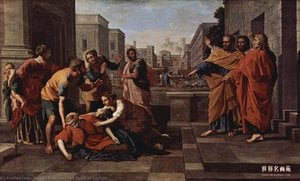
The crucifixion

Nicolas Poussin’s ‘The Crucifixion,’ a Baroque masterpiece blending classical serenity with Venetian color, depicts Christ's sorrowful demise amidst mourners. Explore this poignant vision and own a timeless work of art.

Esplora i capolavori di Nicolás Poussin (1594-1665), un importante pittore barocco francese. Scopri le sue composizioni classiche, scene storiche e mitologiche e paesaggi sereni – influenzando artisti come David e Cézanne. #Poussin #ArteBarocca #

Giclée / Stampe d'arte

Stampa giclée o su tela di qualità museale, con produzione rapida e diverse opzioni di finitura. (Acquista il dipinto realizzato a mano Acquista il dipinto realizzato a manoAcquista immagine Acquista immagine)

P118B $10
P118H $10
P118W $10
P438Z $10
P508JH $12
P508YH $12
P805H $10
P805Z $10
P919BZ $10
P919G $10
P919XJ $10
P959ZH $10
P968JZ $12
W106C $8
W218G $10
W218JH $8
W218Y $10
W307PJ $10
W316G $10
W316PJ $8
W316Y $10
W398PJ $8
W4111J $10
W500HY $15
W500JH $15
W692G $12
W849H $8
W940BG $15
W953PJ $8

Formato standard
su misura
CM
INCH

Scegli tra le nostre dimensioni predefinite, che rispettano le proporzioni originali dell'opera d'arte.

larghezza
altezza

È possibile inserire dimensioni personalizzate per adattare l'opera a una cornice o a uno spazio specifico. Se la dimensione selezionata non corrisponde alle proporzioni dell'immagine originale, procederemo al ritaglio dell'opera o all'estensione dell'immagine con un bordo specchiato o a tinta unita. Un mockup digitale ti verrà inviato per approvazione prima dell'inizio della produzione.
Si prega di notare che l'anteprima a schermo non riflette il ritaglio o l'estensione effettivi. Solo il mockup mostrerà accuratamente la composizione finale.
Sebbene siano disponibili dimensioni personalizzate, si raccomanda di selezionare una dimensione dall'elenco predefinito per preservare le proporzioni originali.

Consegna in tutto il mondo () in 2 settimane invece delle normali 4/5 settimane. (6 Settembre)

why_choose_icon
Spedizione espressa gratuita in tutto il mondo
why_choose_icon
Tela in lino di alta qualità
why_choose_icon
Assicurazione completa sulla spedizione
why_choose_icon
Garanzia di rimborso dei dazi doganali
why_choose_icon
Garanzia di fedeltà cromatica
why_choose_icon
Politica di reso entro 100 giorni (solo per difetti di fabbricazione)
why_choose_icon
Garanzia di rimborso al 100%
why_choose_icon
Offerta per acquisti multipli

Prezzo totale

$ 68

reproduction

The crucifixion

Giclée / Stampe d'arte

Dimensioni riproduzione

-

Prezzo totale calcolato

$ 68

Informazioni rapide

  • Subject or theme: Religious iconography
  • Title: The crucifixion
  • Location: Private Collection
  • Notable elements or techniques: Classical composition; Atmospheric perspective
  • Influences: Italian Renaissance
  • Movement: Baroque

Quiz d'arte

Per ogni domanda è presente una sola risposta corretta.

Domanda 1:
What artistic movement is Nicolas Poussin primarily associated with?
Domanda 2:
The painting depicts a scene from the Bible, specifically...
Domanda 3:
What is notable about the depiction of the figures surrounding the cross?
Domanda 4:
The image description mentions a donkey near the right side of the scene. What role might this animal symbolize?
Domanda 5:
Nicolas Poussin’s style draws inspiration from which artistic tradition?

A Vision of Sorrow and Divine Presence: Exploring Nicolas Poussin’s “The Crucifixion”

Nicolas Poussin, a figure whose legacy transcends mere artistic skill—he embodies the very spirit of classical contemplation within the burgeoning Baroque era—continues to captivate audiences centuries after his death in 1665. Born in Le Havre, France, his formative years were marked by an early exposure to humanist ideals and artistic experimentation, albeit tempered by a profound connection to Italian Renaissance aesthetics. While brief academic pursuits in Paris initially absorbed influences from contemporaries like Valentin Leblanc, it was the transformative pilgrimage to Rome in 1624 that irrevocably shaped Poussin’s artistic trajectory. This journey wasn't simply about acquiring knowledge; it was an encounter with the grandeur of antiquity—a deliberate embrace of Greco-Roman principles that would become the cornerstone of his distinctive style.
  • Subject Matter: The painting depicts a solemn tableau of Christ’s crucifixion, capturing a pivotal moment in Christian faith and history. It portrays Jesus suspended on the cross amidst a gathering of mourners—a scene laden with pathos and conveying profound spiritual significance.
  • Style: Poussin's artistic approach firmly establishes itself within the Baroque tradition yet simultaneously harkens back to the idealized forms and serene compositions characteristic of Mannerism. He skillfully blends elements of both styles, resulting in an image that possesses a remarkable balance between dynamism and stillness—a hallmark of his oeuvre.

Technique: Venetian Influence Meets Classical Precision

Poussin’s mastery lies not only in his subject matter but also in his meticulous technique. Like many artists of his time, he drew inspiration from the Venetian painters—particularly Titian—whose use of rich color palettes and luminous brushstrokes instilled a sensual vibrancy into his canvases. However, unlike the expressive fervor of Venetian art, Poussin prioritized clarity and intellectual rigor. He employed a glazing technique—a layering process where thin washes of translucent pigment are applied over subsequent layers—to achieve unparalleled depth and luminosity. This method allowed him to capture subtle gradations of light and shadow, creating an illusionistic space that transports the viewer into the scene.

Historical Context: Rome as Crucible of Artistic Innovation

Poussin’s artistic development unfolded against the backdrop of Rome—a city undergoing a renaissance of artistic patronage and intellectual fervor. The papal court actively championed classical ideals, fostering an environment where artists could explore humanist themes and engage in dialogues with ancient texts and sculptures. This context profoundly influenced Poussin's worldview and fueled his desire to emulate the achievements of Greek and Roman masters. His depiction of the crucifixion reflects this broader cultural preoccupation—a deliberate effort to convey moral truths through visual representation.

Symbolism: Grief, Faith, and Divine Mercy

The painting’s symbolism resonates deeply with Christian iconography. The mourners surrounding the cross represent humanity grappling with sorrow and despair—yet their gaze is directed upwards toward Christ, symbolizing faith and hope amidst suffering. The inclusion of a donkey underscores the humility associated with Jesus's journey to Jerusalem, reinforcing the narrative's moral dimension. Furthermore, Poussin’s masterful composition directs the viewer’s eye towards the central figure—a deliberate strategy designed to evoke contemplation and inspire reverence.

Emotional Impact: A Portrait of Profound Sorrow

Ultimately, “The Crucifixion” transcends mere visual representation; it communicates a palpable emotional experience. The subdued color palette—dominated by earthy tones—contributes to the painting’s solemn atmosphere, mirroring the grief and compassion expressed by the figures depicted. Poussin's meticulous attention to detail—from the folds of drapery to the expressions on the faces of the mourners—creates an image that compels viewers to confront the profound realities of human suffering and divine mercy. It remains a testament to Poussin’s ability to transform historical narrative into enduring artistic beauty.

Biografia dell'artista

vitae e formazione

nicolas poussin, nato nel giugno 1594, è stata la quintessenza della pittura barocca francese classica. Nonostante abbia trascorso gran parte della sua carriera a Roma, è rimasto profondamente radicato nelle tradizioni artistiche francesi. I suoi primi giorni come pittore sono stati avvolti nell'incertezza, ma già nel 1612 aveva iniziato lo studio formale a Parigi, assorbendo influenze da artisti meno noti prima di essere attratto a Roma nel 1624.

stile artistico e influenze

Lo stile estetico di Poussin, celebrato per la sua composizione coerente e la priorità alla linearità, ha gettato le basi per influenzare maestri come jacques-louis david e paul cézanne ben nel XX secolo. Il suo stile distintivo si è cristallizzato attraverso opere celebri come la morte di Germanico e la sua opera fondamentale i sette sacramenti.

opere notevoli e musei

eredità e impatto

L'affidamento di Poussin è rimasto a Roma, dove si è infine concentrato sull'incorporare paesaggi vasti nella sua arte. La sua maturità come artista è incapsulata in opere come Orione cieco alla ricerca del sole e le stagioni, che hanno annunciato un'era di composizione rigorosa infusa dalla serenità della bellezza naturale.

esplora di più con WahooArt.com

Scopri i capolavori del musée France e approfondisci il mondo della pittura barocca francese con musée picasso, musée des beaux-arts de carcassonne e altri musei importanti. Visita la pagina di nicolas poussin su WahooArt.com per esplorare altre delle sue opere e conoscere il contesto in cui sono state create.

Riferimenti

Nicolas Poussin

Nicolas Poussin

1594 - 1665 , Francia

Dati rapidi

  • Artisti Influenti:
    • Raffaello
    • Tiziano
  • Artisti Influenzati:
    • Jacques-Louis David
    • Paul Cézanne
  • Data Di Morte: 1665
  • Data Di Nascita: Giugno 1594
  • Luogo Di Nascita: Le Havre, Francia
  • Movimento Artistico: Barocco francese classico
  • Nazionalità: Francese
  • Nome Completo: Nicolas Poussin
  • Opere Notevoli:
    • La Morte di Germanico
    • I Sette Sacramenti
    • Una strada romana
    • Orione alla ricerca del sole
    • Le Stagioni
Esplora le opere d'arte organizzate per temi, stili e caratteristiche.