


 Oil On CanvasWallArtBaroque Painting
 1703Early Modern
 138.0 x 106.0 cm
 Musée Des Beaux
Olio su tela dipinto a mano nelle tue dimensioni e con la tua cornice, realizzato su ordinazione dai nostri artisti. ( Acquista stampa Acquista immagine)





























Scegli tra le nostre dimensioni predefinite, che rispettano le proporzioni originali dell'opera d'arte.

È possibile inserire dimensioni personalizzate per adattare l'opera a una cornice o a uno spazio specifico. Se la dimensione selezionata non corrisponde alle proporzioni dell'immagine originale, provvederemo a ritagliare l'opera o a estendere il dipinto con elementi aggiuntivi dipinti a mano. Un mockup digitale ti sarà inviato per approvazione prima dell'inizio della produzione.
Si prega di notare che l'anteprima a schermo non riflette il ritaglio o l'estensione effettivi. Solo il mockup mostrerà accuratamente la composizione finale.
Sebbene siano disponibili dimensioni personalizzate, consigliamo di selezionare una dimensione dall'elenco predefinito per preservare le proporzioni originali.
Consegna in tutto il mondo () in 3/4 settimane anziché nelle normali 5 settimane. (7 Settembre). Nessun compromesso sulla qualità.


La Belle Strasbourgeoise
Dimensioni riproduzione
In the grand tapestry of French Baroque portraiture, few works capture the essence of aristocratic grace as profoundly as Nicolas de Largillière’s 1703 masterpiece, La Belle Strasbourgeo and Bourgeoise. This painting is not merely a depiction of a woman; it is an exquisite window into the refined elegance of the early eighteenth century. The subject, draped in a sumptuous black satin gown that catches the light with liquid smoothness, stands as a testament to the sophisticated tastes of Strasbourg’s upper echelon during the reign of Louis XIV. Her presence is anchored by a delicate gray lace bodice, a detail so meticulously rendered that one can almost sense the intricate texture of the threadwork. As she gazes toward the viewer with a serene and direct composure, she embodies an inner strength and quiet dignity that transcends the era from which she emerged.
The composition is masterfully orchestrated to draw the eye into a dance of light and shadow. Largillière employs a classic pyramidal structure, providing a sense of monumental stability and grandeur that directs all attention toward the subject's luminous face. The lighting is soft and diffused, acting like a gentle caress upon her features, highlighting the subtle contours of her skin and the lively spark in her eyes. This tender illumination creates an atmosphere of profound tranquility, inviting the observer to linger on the delicate interplay between the dark, rich fabrics and the pale, ethereal glow of her countenance.
To behold this work is to witness the technical virtuosity of a true master. Largilliere, a titan of his age, utilized oil on canvas to achieve a level of realism that borders on the miraculous. Through the expert application of translucent glazes, he achieved skin tones that appear to possess a living warmth, radiating a soft brilliance from within. His ability to differentiate between the heavy, light-absorbing depth of black satin and the airy, complex patterns of lace demonstrates an unparalleled command over medium and observation. Every brushstroke serves a purpose, contributing to a sensory experience where the tactile quality of the clothing is as palpable as the emotional weight of the subject's expression.
The color palette is a study in understated luxury. Eschewing the garish for the sophisticated, Largillière favored muted and harmonious hues—creams, deep browns, and profound blacks. This restrained approach ensures that the focus remains on the interplay of light and the subtle nuances of form. Even the inclusion of a small, spirited dog in her arms adds a layer of narrative vitality, breaking the formal stillness of the portrait with a touch of domestic warmth and life. The background, hinting at the verdant textures of an outdoor setting, provides a naturalistic counterpoint to the structured elegance of the woman's attire.
Beyond its technical brilliance, La Belle Strasbourgeoise serves as a profound historical document. It captures a moment in time when the rising bourgeoisie and the established aristocracy began to blend their expressions of status through fashion and portraiture. For the art lover, this piece offers an emotional journey through themes of femininity, social standing, and the enduring beauty of the human spirit. For the interior designer or collector, it represents a pinnacle of classical sophistication.
Integrating a high-quality reproduction of this work into a contemporary space offers more than just decoration; it introduces a sense of historical depth and curated prestige. Whether placed in a grand salon to serve as a focal point of conversation or nestled within a quiet study to provide a sense of contemplative calm, the painting brings with it the unmistakable aura of the French Baroque. It is an investment in atmosphere, a way to surround oneself with the luminous legacy of Nicolas de Largillière and the timeless allure of a bygone era of elegance.

Nicolas de Largillière fu un rinomato pittore di ritratti francese dell'epoca barocca che fiorì tra la fine del XVII e l'inizio del XVIII secolo. La sua carriera attraversò diversi periodi significativi della storia europea, riflettendo sia le tendenze artistiche che i cambiamenti politici. L’abilità di Largillière nel catturare l'essenza dei suoi soggetti – dalla nobiltà ai comuni cittadini – lo stabilì come uno dei ritrattisti più importanti del suo tempo.
La prima parte della vita di Largillière fu segnata da notevoli viaggi. Nato a Parigi, all'età di tre anni fu portato ad Anversa dal padre, mercante. Trascorse quasi due anni a Londra come ragazzo prima di tornare ad Anversa. Un fallimento negli affari lo portò a cercare un apprendistato con Anton Goubau, ma Largillière lasciò dopo poco tempo. Un momento cruciale arrivò quando viaggiò in Inghilterra e lavorò per Peter Lely, il ritrattista principale della corte inglese, per quattro anni a Windsor. Questa esperienza sotto la guida di Lely si rivelò preziosa, esponendolo alle tecniche e agli stili che avrebbero plasmato il suo sviluppo artistico. La controversia riguardante il complotto di Rye House contro i Romani cattolici lo spinse a tornare a Parigi.
Lo stile di Largillière è caratterizzato dalla sua eleganza, realismo e attenzione ai dettagli. Impiegò abilmente la luce e l'ombra per creare profondità e dimensione nei suoi ritratti, catturando le sembianze dei suoi soggetti con notevole accuratezza. Pur essendo influenzato dall’approccio di Peter Lely, Largillière sviluppò una sensibilità parigina distinta, incorporando elementi dello stile cortese francese nelle sue composizioni.
Nicolas de Largillière lasciò dietro di sé un notevole corpus di opere che fornisce preziose informazioni sul panorama sociale e culturale della Francia del XVIII secolo. I suoi ritratti sono ammirati per la loro abilità tecnica e la capacità di trasmettere il carattere e lo status dei suoi soggetti. Formò diversi artisti importanti, tra cui Jean-Baptiste Oudry e Jacob van Schuppen, che continuarono nella tradizione rococò. L’eredità di Largillière si estende oltre le sue singole opere; svolse un ruolo significativo nel plasmare lo sviluppo della ritrattistica in Francia e contribuì al prestigio dell'Académie Française.
Opere di Nicolas de Largillière possono essere trovate in numerosi musei prestigiosi in tutto il mondo, tra cui:

1656 - 1746 , Francia

Esplora i 25 capolavori di Francisco Goya, il genio spagnolo tra Romanticismo e Realismo. Ritratti iconici, 'Los Caprichos' e le toccanti 'Disastri della Guerra'. Trova stampe su tela e riproduzioni artistiche di alta qualità per la tua casa su WahooArt.com.
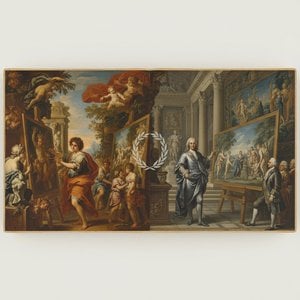
Explore the life & art of Simon Vouet, a pivotal French Baroque painter who introduced Italian styles to France. Discover his masterpieces and lasting influence on 17th-century art.

Scopri la nostra storia! Portiamo l'arte di livello mondiale nella tua vita grazie a una selezione esperta, creazioni personalizzate e anteprime gratuite. Approvato da privati e aziende dal 2000.

Scopri come portare il dramma e lo splendore dell'arte barocca nei tuoi interni con . Riproduzioni di alta qualità, consulenza d'arte personalizzata e ispirazione per uno stile unico.
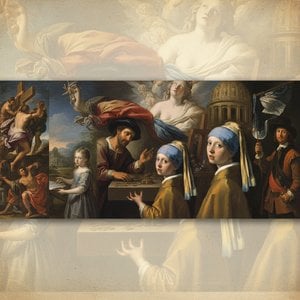
Esplora i 10 capolavori barocchi di Caravaggio, Bernini e Rembrandt che hanno rivoluzionato l'arte. Scopri storie, tecniche e colori iconici. Trova riproduzioni d'arte di alta qualità per la tua casa su !

 Anteprima in scala reale
 Invia
Invia Condividi
 Dettagli opera

 Scarica immagine
 Simili
 Radiografia
 Slideshow
 Espandi i dettagli







 L'opzione vetro è disponibile solo per dimensioni inferiori a 110 cm


