CONSULENZA D'ARTE GRATUITA

x
Ordina la riproduzione Ordina la riproduzioneAcquista download Acquista download InviaInvia
DetailsDetails Aggiungi ai preferiti Aggiungi ai preferiti ScaricaScarica SimiliSimili X-RayX-Ray SlideshowSlideshow

Untitled

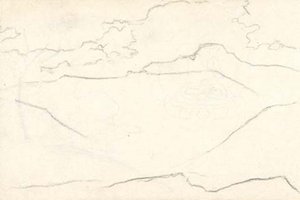
Nicholas Roerich’s Untitled (1913) captures a dramatic grayscale landscape of swirling clouds and mountains, embodying early 20th-century Symbolism with its evocative mood. Explore this powerful piece by the renowned artist and add it to your collection.

Esplora l'affascinante arte di Nicholas Roerich (1874-1947): Simbolismo, paesaggi himalayani e dipinti mistici. Progettazioni per i Balletti Russi e sostenitore della preservazione culturale.

Giclée / Stampa d'arte

Stampa giclée o su tela di qualità museale, con produzione rapida e diverse opzioni di finitura.

P118B $10
P118H $10
P118W $10
P438Z $10
P508JH $12
P508YH $12
P805H $10
P805Z $10
P919BZ $10
P919G $10
P919XJ $10
P959ZH $10
P968JZ $12
W106C $8
W218G $10
W218JH $8
W218Y $10
W307PJ $10
W316G $10
W316PJ $8
W316Y $10
W398PJ $8
W4111J $10
W500HY $15
W500JH $15
W692G $12
W849H $8
W940BG $15
W953PJ $8

Standard
custom
CM
INCH

Scegli tra le nostre dimensioni predefinite, che rispettano le proporzioni originali dell'opera d'arte.

larghezza
altezza

È possibile inserire dimensioni personalizzate per adattare l'opera a una cornice o a uno spazio specifico. Se la dimensione selezionata non corrisponde alle proporzioni dell'immagine originale, procederemo al ritaglio dell'opera o all'estensione dell'immagine con un bordo specchiato o a tinta unita. Un mockup digitale ti verrà inviato per approvazione prima dell'inizio della produzione.
Si prega di notare che l'anteprima a schermo non riflette il ritaglio o l'estensione effettivi. Solo il mockup mostrerà accuratamente la composizione finale.
Sebbene siano disponibili dimensioni personalizzate, si raccomanda di selezionare una dimensione dall'elenco predefinito per preservare le proporzioni originali.

Consegna in tutto il mondo () in 2 settimane invece delle normali 4/5 settimane. (2 Luglio)

why_choose_icon
Spedizione espressa gratuita in tutto il mondo

why_choose_icon
Tela in lino di alta qualità
why_choose_icon
Assicurazione completa sulla spedizione
why_choose_icon
Garanzia di rimborso dei dazi doganali
why_choose_icon
Garanzia di fedeltà cromatica
why_choose_icon
Politica di reso entro 60 giorni (solo per difetti)
why_choose_icon
Garanzia di rimborso al 100%
why_choose_icon
Sconto per acquisti multipli

Prezzo totale

-

reproduction

Untitled

Giclée / Stampa d'arte

Dimensioni riproduzione

-

Prezzo totale finale

-

Informazioni rapide

  • Notable elements: Cloud layering, texture
  • Artistic style: Ethereal, Dramatic
  • Subject or theme: Landscape, Nature
  • Movement: Symbolism/Modernism
  • Year: 1913
  • Medium: Charcoal/Graphite/Pastel
  • Artist: Nicholas Roerich

Descrizione dell'opera

A Symphony of Clouds: Unveiling Roerich’s “Untitled” (1913)

Nicholas Roemerich's "Untitled," painted in 1913, is more than just a landscape; it’s an immersive experience, a testament to the artist’s profound connection with nature and his exploration of spiritual themes. This monochromatic work, dominated by swirling clouds and a brooding mountain range, immediately evokes a sense of vastness – a feeling that resonates deeply within the viewer, prompting contemplation on humanity's place in the face of overwhelming natural forces. The grainy texture of the photograph itself contributes to this effect, mimicking the tactile quality of charcoal or pastel, materials Roerich frequently employed to achieve his distinctive style.

Echoes of Symbolism and Early Modernism

"Untitled" firmly resides within the currents of early 20th-century Symbolism and its nascent embrace by Modernist movements. Unlike the prevailing artistic trends of realism, Roerich wasn't interested in simply depicting what he saw; instead, he sought to capture an *impression*, a feeling, a spiritual essence. The deliberate ambiguity of the composition – the indistinct mountain base, the shifting clouds – encourages individual interpretation and invites the viewer to project their own emotions and experiences onto the scene. This focus on subjective experience was revolutionary for its time, foreshadowing later developments in abstract art.

Technique and Materials: A Layered Approach

The artwork’s remarkable depth and textural richness are achieved through a masterful layering of tonal values – a technique central to Roerich's artistic practice. It is highly likely that the original piece was created using charcoal, graphite, or perhaps pastel on paper or canvas. The artist meticulously built up these tones, blending them seamlessly to create the illusion of voluminous clouds and the dense weight of the mountain range. The visible brushstrokes, or rather, the deliberate marks of the medium, contribute to the artwork’s raw energy and sense of movement. This layering technique wasn't merely a technical exercise; it was an integral part of Roerich’s philosophical approach – representing the layers of reality, the spiritual dimensions hidden beneath the surface of the material world.

Symbolism and Emotional Resonance

The subject matter itself is laden with symbolic meaning. The dramatic cloud formations, often interpreted as representations of the soul’s journey or the forces of nature, evoke feelings of awe, mystery, and perhaps even spiritual transcendence. Roerich was deeply interested in exploring themes of cosmic unity and the interconnectedness of all things – ideas that were influenced by his extensive travels and studies of ancient cultures. The ambiguous perspective further enhances this sense of wonder, suggesting a limitless horizon and inviting the viewer to contemplate the infinite possibilities beyond our immediate perception. This piece speaks to a fundamental human desire for connection with something larger than ourselves.

A Legacy of Vision

Nicholas Roerich’s “Untitled” (1913) stands as a powerful example of his artistic vision – a synthesis of meticulous technique, profound symbolism, and an unwavering commitment to exploring the spiritual dimensions of existence. Its enduring appeal lies in its ability to transport us beyond the confines of the everyday, inviting us to contemplate the beauty, mystery, and ultimately, the sublime nature of the world around us. WahooArt offers meticulously crafted hand-painted reproductions that faithfully capture the essence of this iconic work, allowing you to experience Roerich’s vision firsthand.


Biografia dell'artista

Nicholas Roerich: Vita, Arte e Eredità

Primi Anni di Vita ed Educazione

  • Nicholas Konstantinovich Roerich nacque il 9 ottobre 1874 a San Pietroburgo, Russia.
  • Suo padre, notaio tedesco baltico, e sua madre, una donna russa, coltivarono in lui fin da giovane un apprezzamento per le arti.
  • Roerich perseguì sia il diritto che l'arte contemporaneamente, iscrivendosi all'Università di San Pietroburgo e all'Accademia d'Arti Imperiali nel 1893.
  • Ricevette il titolo di “Artista” nel 1897 e una laurea in legge l'anno successivo.

Iniziative Artistiche e Influenze

  • Lo sviluppo artistico di Roerich fu significativamente influenzato da Simbolismo Russo, un movimento che enfatizzava la spiritualità e la profondità emotiva.
  • Diventò coinvolto nella società “World of Art” di Sergei Diaghilev, diventando presidente dal 1910 al 1916.
  • Il suo lavoro iniziale mostrava un fascino per l'archeologia e il design teatrale, portando a collaborazioni su produzioni per i Ballets Russes.
  • Fu anche influenzato da apocrifi e scritti settari medievali come il Libro dell’Oca.

Collaborazione con i Ballets Russes

  • I progetti di Roerich per i Ballets Russes furono molto apprezzati, in particolare il suo lavoro su Alexander Borodin's Principe Igor (1909) e Igor Stravinsky’s Il Rituale della Primavera (1913).
  • I suoi progetti di scenografia combinavano ricerca storica con arte immaginativa, creando produzioni visivamente sbalorditive.
  • Questa collaborazione lo affermò come figura di spicco nel design teatrale nei primi anni del XX secolo.

Sviluppo Artistico e Temi

  • I dipinti di Roerich si evolsero per incorporare temi sempre più mistici e spirituali, riflettendo il suo crescente interesse per la Teosofia e le religioni orientali.
  • La sua serie Studi Architettonici (1904–1905) dimostrò la sua abilità architettonica e il suo impegno nella preservazione del patrimonio culturale.
  • Motivi ricorrenti nelle sue opere includono paesaggi maestosi, antiche città e figure religiose come San Pantelemon e Kuan Yin.
  • Spesso raffigurava l'Himalaya, una regione che per lui aveva un profondo significato spirituale.

Realizzazioni Principali e Riconoscimenti

  • Roerich fu un fervente sostenitore della protezione dell’arte e dell’architettura durante i tempi di guerra.
  • I suoi sforzi portarono alla creazione del Patto Roerich (1935), un trattato internazionale per la conservazione degli oggetti culturali, guadagnandogli numerose nomine per il Premio Nobel per la Pace.
  • Viaggiò ampiamente in Asia Centrale, conducendo ricerche archeologiche e documentando culture antiche.
  • Le sue opere sono esposte in importanti collezioni museali in tutto il mondo, tra cui la Galleria d'Arte di Astrakhan.

Significato Storico ed Eredità

  • L’impatto di Nicholas Roerich sull’arte e sulla cultura russa è immensurabile.
  • Ha colmato il divario tra l'espressione artistica e l'esplorazione spirituale, influenzando generazioni di artisti e pensatori.
  • Il suo impegno nella conservazione del patrimonio culturale rimane rilevante oggi, evidenziando l’importanza di proteggere la nostra eredità condivisa.
  • L’eredità di Roerich si estende oltre i suoi dipinti; è ricordato come un artista visionario, studioso e umanitario.
Nikolaj Roerich

Nikolaj Roerich

1874 - 1947 , Russia

Dati rapidi

  • Artisti Influenti:
    • Gauguin
    • Van Gogh
  • Data Di Nascita: 9 ottobre 1874
  • Luogo Di Nascita: San Pietroburgo, Russia
  • Movimento Artistico: Simbolismo russo
  • Nazionalità: Russo
  • Nome Completo: Nikolaj Konstantinovič Rerich
  • Opere Notevoli:
    • Monte dei cinque tesori
    • Percorso verso Kailas 4
    • Ponte di Gloria
    • Lago dei Naga
Esplora opere d'arte organizzate per temi, stili e caratteristiche.