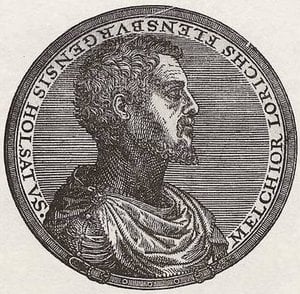
Turk Playing a Harp (1576) di Melchior Lorck, riproduzione di un dipinto a olio realizzato a mano da un maestro d'arte
Anteprima in scala reale Anteprima in AR Passa alle stampe Passa all'immagine digitale Invia
Dettagli opera Guida Aggiungi ai preferiti Scarica Simili Radiografia Slideshow Domande e risposte Presentazione Statistiche

Turk Playing a Harp Riproduzione di un dipinto a olio dipinto a mano

Dimensioni
245.0 x 163.0 cm

Explore Melchior Lorck’s ‘Turk Playing a Harp’ (1576). A stunning Mannerist engraving showcasing intricate detail, dramatic foreshortening & Eastern influence. Discover Renaissance art.

Scopri Melchior Lorck (1526/27-1583), pittore e incisore rinascimentale danese-tedesco, celebre per i dettagliati resoconti visivi della vita ottomana del XVI secolo.

Riproduzione a olio fatta a mano

Olio su tela dipinto a mano nelle tue dimensioni e con la tua cornice, realizzato su ordinazione dai nostri artisti. ( Passa alle stampe Passa all'immagine digitale)

Corner sample of the P118B picture frame: polistirene stampato, 5 cm wide and 3 cm thick
P118B €10
Corner sample of the P118H picture frame: polistirene stampato, 5 cm wide and 3 cm thick
P118H €10
Corner sample of the P118W picture frame: polistirene stampato, 5 cm wide and 3 cm thick
P118W €10
Corner sample of the P438Z picture frame: polistirene stampato, 5.5 cm wide and 3.5 cm thick
P438Z €10
Corner sample of the P508JH picture frame: polistirene stampato, 7 cm wide and 3.5 cm thick
P508JH €12
Corner sample of the P508YH picture frame: polistirene stampato, 7 cm wide and 3.5 cm thick
P508YH €12
Corner sample of the P805H picture frame: polistirene stampato, 5 cm wide and 3.5 cm thick
P805H €10
Corner sample of the P805Z picture frame: polistirene stampato, 5 cm wide and 3.5 cm thick
P805Z €10
Corner sample of the P919BZ picture frame: polistirene stampato, 7 cm wide and 3.5 cm thick
P919BZ €10
Corner sample of the P919G picture frame: polistirene stampato, 7 cm wide and 3.5 cm thick
P919G €10
Corner sample of the P919XJ picture frame: polistirene stampato, 7 cm wide and 3.5 cm thick
P919XJ €10
Corner sample of the P959ZH picture frame: polistirene stampato, 5 cm wide and 3 cm thick
P959ZH €10
Corner sample of the P968JZ picture frame: polistirene stampato, 6 cm wide and 4 cm thick
P968JZ €12
Corner sample of the W106C picture frame: legno massello, 5 cm wide and 3 cm thick
W106C €8
Corner sample of the W218G picture frame: legno massello, 5 cm wide and 3 cm thick
W218G €10
Corner sample of the W218JH picture frame: legno massello, 5 cm wide and 3 cm thick
W218JH €8
Corner sample of the W218Y picture frame: legno massello, 5 cm wide and 3 cm thick
W218Y €10
Corner sample of the W307PJ picture frame: legno massello, 6 cm wide and 3 cm thick
W307PJ €10
Corner sample of the W316G picture frame: legno massello, 6 cm wide and 3 cm thick
W316G €10
Corner sample of the W316PJ picture frame: legno massello, 6 cm wide and 3 cm thick
W316PJ €8
Corner sample of the W316Y picture frame: legno massello, 6 cm wide and 3 cm thick
W316Y €10
Corner sample of the W398PJ picture frame: legno massello, 5 cm wide and 3 cm thick
W398PJ €8
Corner sample of the W4111J picture frame: legno massello, 6.5 cm wide and 3.5 cm thick
W4111J €10
Corner sample of the W500HY picture frame: legno massello, 7 cm wide and 5 cm thick
W500HY €15
Corner sample of the W500JH picture frame: legno massello, 7 cm wide and 5 cm thick
W500JH €15
Corner sample of the W692G picture frame: legno massello, 8 cm wide and 4 cm thick
W692G €12
Corner sample of the W849H picture frame: legno massello, 5 cm wide and 3 cm thick
W849H €8
Corner sample of the W940BG picture frame: legno massello, 7.5 cm wide and 4.5 cm thick
W940BG €15
Corner sample of the W953PJ picture frame: legno massello, 6 cm wide and 3.5 cm thick
W953PJ €8

Formato standard
su misura
CM
INCH

Scegli tra le nostre dimensioni predefinite, che rispettano le proporzioni originali dell'opera d'arte.

larghezza
altezza

Inserisci la larghezza e l'altezza desiderate, per adattarle alla tua cornice o alla tua parete. Trattandosi di un'opera dipinta a mano, in caso di dimensioni con un formato differente, l'artista può estendere leggermente il dipinto oltre i bordi dell'immagine o ritagliare una piccola parte — la scelta spetta a te. Ti invieremo un mockup digitale da approvare prima che la realizzazione abbia inizio. L'immagine mostrata in questa pagina non rappresenta il risultato finale — solo il mockup lo fa.

Esempi di ciò che può essere modificato: sostituire il volto con una foto del cliente; aggiungere un animale domestico (ad esempio, sostituire un gatto con un cane); inserire un messaggio nascosto nello sfondo; cambiare il paesaggio o gli elementi dello sfondo.
Dopo l'ordine, il team di WahooArt.com contatterà il cliente via e-mail per ricevere le istruzioni e fornirà un'anteprima del mockup

Consegna in tutto il mondo () in 3/4 settimane anziché nelle normali 5 settimane. (8 Novembre). Nessun compromesso sulla qualità.

Spedizione espressa gratuita in tutto il mondo
Tela in lino di alta qualità
Assicurazione completa sulla spedizione
Garanzia di rimborso dei dazi doganali
Garanzia di fedeltà cromatica assoluta
Politica di reso entro 100 giorni (solo per difetti di fabbricazione)
Garanzia di rimborso al 100%
Offerta per acquisti multipli

Prezzo totale

€ 243

Turk Playing a Harp

Tecnica di riproduzione

Dimensioni riproduzione

-

Prezzo finale calcolato

€ 243

Informazioni rapide

  • Artist: Melchior Lorck
  • Influences:
    • Heinrich Aldegrever
    • Albrecht Dürer
  • Artistic style: Dramatic
  • Subject or theme: Music
  • Medium: Engraving
  • Movement: Mannerism

Quiz d'arte

Per ogni domanda è presente una sola risposta corretta.

Domanda 1:
What artistic style is predominantly evident in Melchior Lorck’s ‘Turk Playing a Harp’?
Domanda 2:
The engraving utilizes a technique known for creating tonal variations and depth. What is this technique?
Domanda 3:
What symbolic significance does the harp hold within the artwork?
Domanda 4:
Lorck’s journey to Constantinople was part of an embassy aimed at furthering diplomatic relations between Denmark and the Ottoman Empire. What was a primary goal of this mission?
Domanda 5:
Lorck’s engravings are notable for their meticulous detail. Which artistic medium is particularly suited to achieving this level of realism?

A Window into Ottoman Splendor: Melchior Lorck’s ‘Turk Playing a Harp’

Melchior Lorck's “Turk Playing a Harp” (1576) stands as an exceptional testament to Renaissance artistic innovation intertwined with the burgeoning fascination for the Ottoman Empire. More than just a depiction of musical performance, this Mannerist engraving offers a meticulously crafted visual narrative that captures the spirit of its time—a period marked by diplomatic missions and scholarly exploration into distant cultures. Produced during Lorck’s formative years as a Danish artist venturing beyond Northern Europe, it exemplifies his mastery of printmaking technique and his unwavering commitment to capturing detail with remarkable accuracy.

Style and Technique: Mannerist Drama

Lorck's stylistic choices firmly situate “Turk Playing a Harp” within the Mannerist movement—a reaction against the idealized beauty of High Renaissance art. Characterized by elongated figures, exaggerated poses, and dramatic foreshortening, the engraving prioritizes expressive gesture over anatomical precision. The artist employs a masterful use of hatching and crosshatching to achieve tonal variations that imbue the image with depth and luminosity despite its monochrome palette. These techniques skillfully convey texture—the velvety drape of the curtain, the intricate surface of the harp’s ornamentation, and the polished sheen of the vase—creating an illusion of realism that transcends the limitations of engraving. The artist's meticulous attention to perspective subtly enhances the dramatic impact of the scene.

Historical Context: Embassies and Eastern Observation

The engraving emerged from a pivotal moment in European history: the Imperial embassy led by Ogier Gheselin Busbecq to Constantinople (modern Istanbul) under Sultan Suleiman the Magnificent. This diplomatic expedition aimed to foster relations between Christendom and Islam, yet it also fueled an unprecedented influx of knowledge about Ottoman culture and customs into Europe. Lorck’s artistic endeavors were profoundly influenced by this context; he sought to document the grandeur and complexity of the Ottoman court with unflinching realism. The harp itself serves as a potent symbol—representing music, artistry, and perhaps a longing for exotic lands—reflecting the broader intellectual currents of the era.

Symbolism: Harmony and Contemplation

Beyond its technical brilliance and historical significance, “Turk Playing a Harp” resonates with deeper symbolic meanings. The solitary figure of the Turk embodies contemplation and dedication to his craft, mirroring the humanist ideals prevalent during Lorck’s time. The harp's intricate design speaks to the pursuit of beauty and artistic excellence—a core concern of Mannerist artists who rejected simplistic representations in favor of emotionally charged compositions. Furthermore, the dark curtain serves as a visual barrier, emphasizing the subject’s isolation and inviting viewers to contemplate the profound stillness of the scene.

Emotional Impact: A Moment Frozen in Time

Lorck's engraving transcends mere representation; it evokes a palpable sense of solemnity and wonder. The artist skillfully captures the psychological state of his subject—a man absorbed in his musical performance—creating an image that invites viewers to pause and consider the beauty of artistic expression amidst the grandeur of Ottoman culture. “Turk Playing a Harp” remains a captivating masterpiece, offering a glimpse into a bygone era and demonstrating Lorck’s unparalleled ability to translate observation into enduring visual art.

Domande e risposte

È disponibile un download ad alta risoluzione di "Turk Playing a Harp"?

"Turk Playing a Harp" è disponibile come download di un'immagine digitale ad alta risoluzione, acquistabile direttamente nella sua pagina Immagine digitale ad alta risoluzione.

Quando e con quali materiali è stata realizzata "Turk Playing a Harp"?

"Turk Playing a Harp" è stata realizzata nel 1576 con la tecnica Acrylic On Canvas.

Chi ha creato "Turk Playing a Harp" e in quale stile è realizzato?

Melchior Lorck ha creato "Turk Playing a Harp" all'interno del movimento Mannerism.


Biografia dell'artista

Melchior Lorck: Una Vita tra Arte Rinascimentale e Incontri con l'Impero Ottomano

  • Nato: Flensburg, Germania (1526/27)
  • Morto: Copenaghen, Danimarca (1583)
  • Nazionalità: Danese-Tedesco
  • Conosciuto per: Pittore, disegnatore e incisore del Rinascimento; dettagliato resoconto visivo della Turchia nel XVI secolo.

Primi Anni di Vita e Formazione

  • Nato a Flensburg, Schleswig (l'odierna Germania), Lorck proveniva da una famiglia legata al movimento della Riforma.
  • Intorno al 1549, ricevette una borsa di studio quadriennale dal re Cristiano III di Danimarca, che gli permise di studiare arte in tutta Europa.
  • La sua formazione iniziale probabilmente coinvolse un apprendistato presso un orafo a Lübeck.
  • Durante i suoi viaggi, Lorck dimostrò presto abilità artistiche, producendo incisioni influenzate da artisti come Heinrich Aldegrever e rendendo omaggio ad Albrecht Dürer.

L'Esperienza Ottomana: Un Resoconto Visivo Unico

  • Nel 1555, Lorck si unì all'ambasciata imperiale guidata da Ogier Gheselin Busbecq alla corte del sultano Solimano il Magnifico a Costantinopoli (Istanbul).
  • Questa esperienza cruciale plasmò la sua carriera e la sua eredità. Trascorse circa un anno e mezzo all'interno della capitale ottomana.
  • Lorck documentò meticolosamente la vita turca, i costumi, l'architettura, le pratiche militari e i ritratti di figure chiave come il sultano Solimano e Isma'il, l'inviato persiano.
  • I suoi disegni e incisioni forniscono un resoconto visivo senza precedenti della società ottomana del XVI secolo, una fonte unica per storici e studiosi d'arte.
  • Opere notevoli di questo periodo includono il monumentale "Prospetto di Costantinopoli", una dettagliata vista panoramica della città, e la serie di stampe conosciuta come “La Pubblicazione Turca”.

Stile Artistico e Influenze

  • Lo stile di Lorck riflette l'influenza del Rinascimento nordico, in particolare dei maestri tedeschi come Dürer.
  • Il suo lavoro dimostra un'acuta capacità osservativa e attenzione ai dettagli, evidente nelle sue precise rappresentazioni di architettura, costumi e ritratti.
  • Impiegò abilmente tecniche di incisione, creando stampe intricate ed espressive.
  • I disegni topografici di Lorck, come il "Prospetto di Costantinopoli", presagirono sviluppi successivi nell'arte del paesaggio e nella cartografia.

Carriera Successiva e Eredità

  • Dopo essere tornato in Europa nel 1559, Lorck lavorò a Vienna, producendo incisioni di monumenti antichi e ritratti.
  • Servì brevemente come cartografo per il consiglio cittadino di Amburgo, creando una mappa su larga scala del fiume Elba.
  • La "Pubblicazione Turca" di Lorck, sebbene non pubblicata durante la sua vita, fu alla fine rilasciata nel 1626, mostrando la sua estesa documentazione della vita ottomana.
  • È considerato il primo artista danese con una biografia sostanziale e un corpus di opere attribuibili a lui.
  • Il suo dettagliato resoconto visivo della Turchia rimane prezioso per comprendere la cultura ottomana del XVI secolo e rappresenta un contributo significativo all'arte rinascimentale e alla cartografia. È riconosciuto come precursore degli artisti viaggiatori e dei reporter visivi successivi.
Melchior Lorck

Melchior Lorck

1527 - 1564 , Germania

Dettagli rapidi

  • Artistic Movement Or Style: Rinascimento
  • Artists Or Movements Influenced By This Artist:
    • Wenzel Hollar
    • Cornelis de Bruijn
  • Artists Who Influenced This Artist:
    • Heinrich Aldegrever
    • Albrecht Dürer
  • Date Of Birth: 1526/27
  • Date Of Death: 1583
  • Full Name: Melchior Lorck
  • Nationality: Danese-Tedesco
  • Notable Artworks:
    • Constantinopoli Prospect
    • The Turkish Publication
  • Place Of Birth: Flensburg, Germania