CONSULENZA D'ARTE GRATUITA

x
Ordina la riproduzione Ordina la riproduzioneAcquista download Acquista download InviaInvia
DetailsDetails Aggiungi ai preferiti Aggiungi ai preferiti ScaricaScarica SimiliSimili X-RayX-Ray SlideshowSlideshow

untitled (8230)

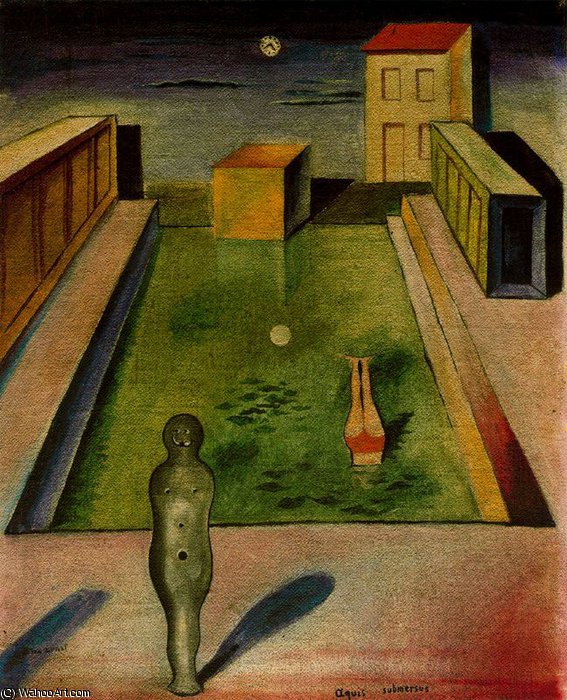
Surrealist Max Ernst’s ‘untitled (8230)’ captures an enigmatic urban tableau featuring a solitary man contemplating a ball amidst architectural surroundings—a testament to Dada and Surrealism's exploration of subconscious imagery, inviting you to experience this captivating artwork.

Esplora il mondo surreale di Max Ernst (1891-1976), un pioniere del Dada e del Surrealismo! Scopri le sue innovative tecniche di frottage, collage e dipinti onirici con uccelli, paesaggi e temi psicologici. #MaxErnst #Surrealismo #Dada

Giclée / Stampa d'arte

Stampa giclée o su tela di qualità museale, con produzione rapida e diverse opzioni di finitura.

P118B $10
P118H $10
P118W $10
P438Z $10
P508JH $12
P508YH $12
P805H $10
P805Z $10
P919BZ $10
P919G $10
P919XJ $10
P959ZH $10
P968JZ $12
W106C $8
W218G $10
W218JH $8
W218Y $10
W307PJ $10
W316G $10
W316PJ $8
W316Y $10
W398PJ $8
W4111J $10
W500HY $15
W500JH $15
W692G $12
W849H $8
W940BG $15
W953PJ $8

Standard
custom
CM
INCH

Scegli tra le nostre dimensioni predefinite, che rispettano le proporzioni originali dell'opera d'arte.

larghezza
altezza

È possibile inserire dimensioni personalizzate per adattare l'opera a una cornice o a uno spazio specifico. Se la dimensione selezionata non corrisponde alle proporzioni dell'immagine originale, procederemo al ritaglio dell'opera o all'estensione dell'immagine con un bordo specchiato o a tinta unita. Un mockup digitale ti verrà inviato per approvazione prima dell'inizio della produzione.
Si prega di notare che l'anteprima a schermo non riflette il ritaglio o l'estensione effettivi. Solo il mockup mostrerà accuratamente la composizione finale.
Sebbene siano disponibili dimensioni personalizzate, si raccomanda di selezionare una dimensione dall'elenco predefinito per preservare le proporzioni originali.

Consegna in tutto il mondo () in 2 settimane invece delle normali 4/5 settimane. (2 Luglio)

why_choose_icon
Spedizione espressa gratuita in tutto il mondo

why_choose_icon
Tela in lino di alta qualità
why_choose_icon
Assicurazione completa sulla spedizione
why_choose_icon
Garanzia di rimborso dei dazi doganali
why_choose_icon
Garanzia di fedeltà cromatica
why_choose_icon
Politica di reso entro 60 giorni (solo per difetti)
why_choose_icon
Garanzia di rimborso al 100%
why_choose_icon
Sconto per acquisti multipli

Prezzo totale

-

reproduction

untitled (8230)

Giclée / Stampa d'arte

Dimensioni riproduzione

-

Prezzo totale finale

-

Informazioni rapide

  • Artist: Max Ernst
  • Artistic style: Surrealism
  • Movement: Surrealism
  • Subject or theme: Man by a pool with ball
  • Title: untitled (8230)

Quiz d'arte

Per ogni domanda è presente una sola risposta corretta.

Domanda 1:
What artistic movement is Max Ernst most closely associated with?
Domanda 2:
The scene described in the artwork has an overall feel that suggests what kind of setting?
Domanda 3:
Which element is central to the composition, drawing the viewer's eye near the center of the image?
Domanda 4:
Max Ernst's early academic studies were broad, encompassing fields such as philosophy and literature. This suggests his art was deeply informed by:
Domanda 5:
The presence of multiple figures in the background, along with objects like vases, contributes to the painting's overall mood by creating a sense of:

Descrizione dell'opera

The Enigmatic Stillness of Surreal Encounter

To stand before this untitled work by Max Ernst is to step across a threshold into a dreamscape rendered with meticulous, yet unsettling, grace. The composition immediately arrests the viewer's gaze, drawing us into an ambiguous moment suspended between action and contemplation. At its heart lies a tranquil pool of water, a classic surrealist motif that often mirrors the subconscious mind—deep, reflective, and capable of holding untold secrets. A solitary man stands near this liquid mirror, his posture suggesting a pause, a breath taken just before an inevitable interaction with the floating ball within the depths. It is a tableau vivant built from psychological tension.

A Tapestry Woven by Surrealist Vision

Max Ernst, a pioneer whose career spanned Dadaism and the height of Surrealism, never painted merely what he saw; he painted what he felt in the echoing chambers of his own mind. This painting embodies that spirit—a refusal to adhere to the logic of the everyday. The backdrop, hinting at an urban environment with its structured buildings, clashes beautifully with the dreamlike quality of the foreground. Notice the peripheral figures: they are present, yet indistinct, observers caught within the periphery of the main action. These background elements, alongside the strategically placed vases, function less as mere decoration and more as anchors to a reality that is simultaneously real and utterly imagined. Ernst invites us not just to look, but to question the very nature of what we perceive.

Symbolism in Water and Object

The symbolism here is rich for the discerning collector. The water itself has always been a potent symbol—of rebirth, emotion, and the unknown depths of self-knowledge. The ball, floating upon its surface, acts as a focal point of potential energy; it represents an object of desire, a challenge, or perhaps even a lost memory waiting to be retrieved. Consider the interplay between the man and this sphere: is he contemplating play, or confronting something unavoidable? Ernst masterfully uses these simple objects—the ball, the water, the figures—to construct profound philosophical questions about human interaction, isolation, and the nature of chance encounters in life.

Technique and Emotional Resonance for Your Space

For those considering bringing this evocative piece into your home or gallery, understanding its texture is key. While the original technique speaks to Ernst's experimental mastery—a blend of meticulous detail with dreamlike fluidity—the reproduction captures that essential *mood*. The interplay between the solid architecture and the liquid mystery provides a perfect counterpoint for interior design; it adds intellectual depth without overwhelming a room. This artwork doesn't just decorate a wall; it catalyzes conversation. It whispers tales of psychological exploration, making it an ideal centerpiece for a sophisticated collector or a designer aiming to infuse a space with artistic narrative and profound contemplation.

Opere simili


Biografia dell'artista

Max Ernst: Una Vita nel Surrealismo

Primi Anni di Vita ed Educazione

  • Nato il: 1° aprile 1891, a Brühl, Germania.
  • Il padre di Ernst, Philipp Ernst, era un insegnante dei sordi e pittore dilettante, favorendo fin dalla giovane età l'interesse di Max per l'arte.
  • Ha studiato filosofia, storia dell’arte, letteratura, psicologia e psichiatria all’Università di Bonn dal 1909.
  • Questo background accademico diversificato ha profondamente influenzato le sue successive esplorazioni artistiche.

Sviluppo Artistico e Influenze

  • Un momento cruciale è stata l’esposizione Sonderbund a Colonia (1912), dove ha incontrato opere di Pablo Picasso, Vincent van Gogh, e Paul Gauguin.
  • Nel 1914 ha conosciuto Hans Arp, iniziando un’amicizia che dura tutta la vita e che ha segnato significativamente il suo percorso artistico.
  • La Prima Guerra Mondiale ha avuto un profondo impatto su Ernst; le sue esperienze come soldato hanno portato a disillusione e una visione critica della società.
  • È stato influenzato dalle opere di Sigmund Freud, esplorando temi della mente inconscia nella sua arte.

Dada & Surrealismo

  • Ernst è diventato una figura chiave del gruppo Dada di Colonia dopo la Prima Guerra Mondiale, rifiutando le convenzioni artistiche tradizionali.
  • Ha pionierizzato tecniche innovative come frottage (sfregamento di matite su superfici testurizzate) e grattage (raschiatura della pittura per rivelare gli strati sottostanti).
  • Negli anni ’20 è entrato nel movimento Surrealista a Parigi, collaborando con artisti come Paul Éluard.
  • Il suo lavoro di questo periodo ha esplorato immagini oniriche e temi psicologici.

Opere Principali e Tecniche

  • Frottage: Una tecnica utilizzata per creare texture e immagini inaspettate, esemplificata in molte delle sue opere.
  • Collage: Ernst ha spesso impiegato il collage, combinando elementi disparati per creare composizioni surrealiste.
  • Opere Notevoli:
    • La Città Intera
    • Euclides
    • Di Questo Nessuno Dovrà Sapere
    • Foresta e Colomba
  • I suoi dipinti spesso presentano immagini simboliche, tra cui uccelli (in particolare il suo alter ego Loplop), paesaggi e giustapposizioni inquietanti.

Vita Successiva & Eredità

  • Ernst si è trasferito negli Stati Uniti durante la Seconda Guerra Mondiale, continuando a dipingere ed sperimentare nuove tecniche.
  • È tornato in Francia dopo la guerra e è rimasto attivo fino alla sua morte il 1° aprile 1976, a Parigi.
  • Significato Storico: I contributi di Max Ernst a Dada e Surrealismo sono stati rivoluzionari. Ha sfidato le norme artistiche, ha esplorato la mente inconscia e ha inventato tecniche innovative che continuano a ispirare gli artisti oggi.
  • Resta uno dei personaggi più importanti e influenti del 20° secolo d’arte.
Max Ernst

Max Ernst

1891 - 1976 , Germania

Dati rapidi

  • Artisti Che Hanno Influenzato Questo Artista:
    • Pablo Picasso
    • Vincent van Gogh
    • Paul Gauguin
    • Sigmund Freud
  • Data Di Morte: 1 aprile 1976
  • Data Di Nascita: 1 aprile 1891
  • Luogo Di Nascita: Brühl, Germania
  • Movimento Artistico: Dada e Surrealismo
  • Nazionalità: Tedesca
  • Nome Completo: Max Ernst
  • Opere Notevoli:
    • La Città Intera
    • Euclides
    • Foresta e Colomba
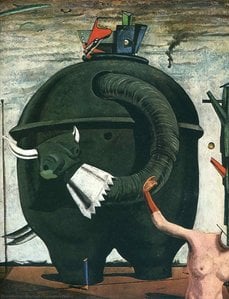
    • L'Elefante di Celebes
Esplora opere d'arte organizzate per temi, stili e caratteristiche.