CONSULENZA D'ARTE GRATUITA

x
Ordina la riproduzione Ordina la riproduzioneAcquista download Acquista download InviaInvia
Dettagli operaDettagli opera Aggiungi ai preferiti Aggiungi ai preferiti ScaricaScarica SimiliSimili RadiografiaRadiografia SlideshowSlideshow

untitled (6065)

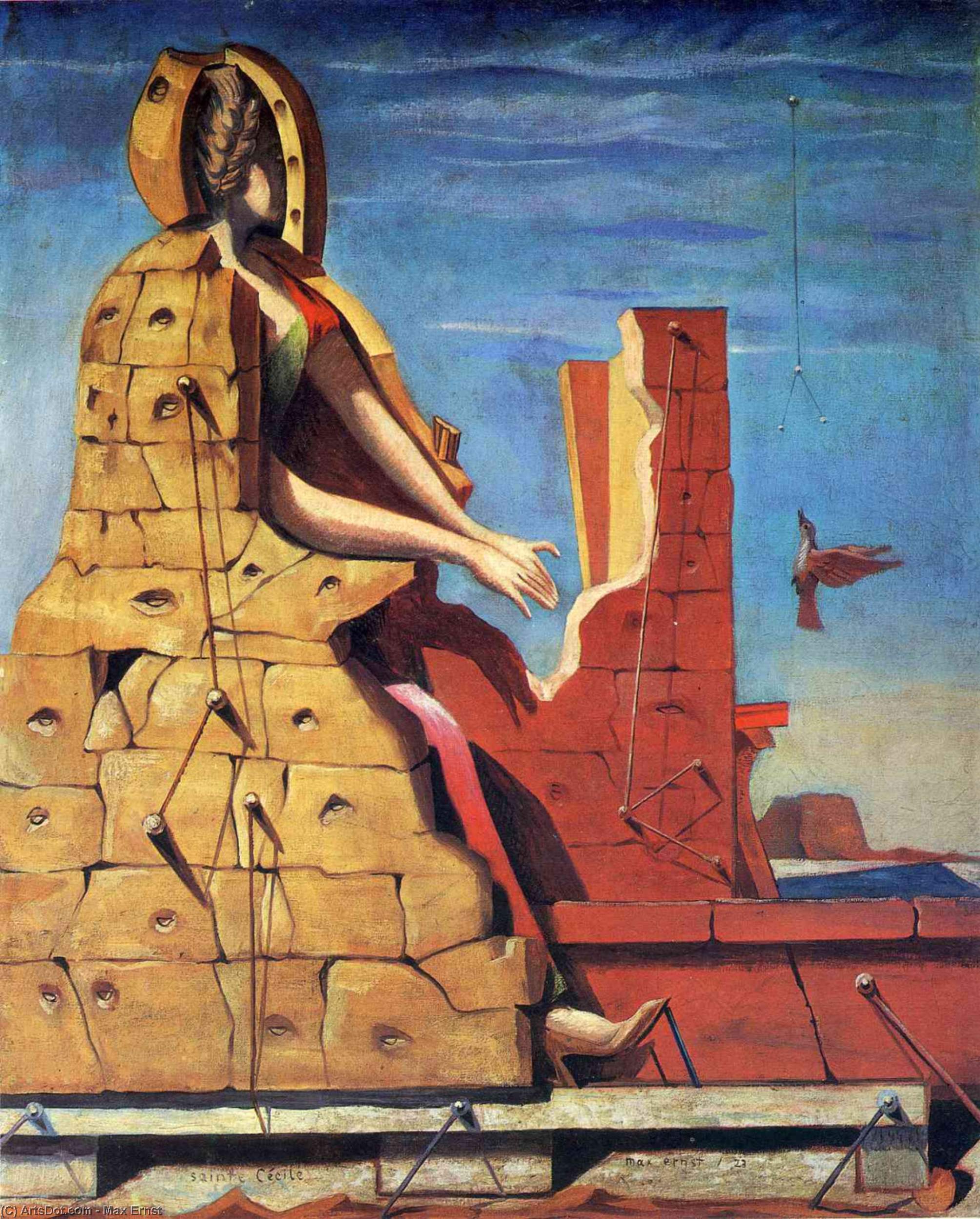
Surrealist masterpiece by Max Ernst featuring a woman interacting with a bird atop bricks, capturing the artist’s unique blend of philosophy and artistic vision. Explore this iconic work and bring its captivating dreamscape into your space.

Esplora il mondo surreale di Max Ernst (1891-1976), un pioniere del Dada e del Surrealismo! Scopri le sue innovative tecniche di frottage, collage e dipinti onirici con uccelli, paesaggi e temi psicologici. #MaxErnst #Surrealismo #Dada

Giclée / Stampa d'arte

Stampa giclée o su tela di qualità museale, con produzione rapida e diverse opzioni di finitura.

P118B $10
P118H $10
P118W $10
P438Z $10
P508JH $12
P508YH $12
P805H $10
P805Z $10
P919BZ $10
P919G $10
P919XJ $10
P959ZH $10
P968JZ $12
W106C $8
W218G $10
W218JH $8
W218Y $10
W307PJ $10
W316G $10
W316PJ $8
W316Y $10
W398PJ $8
W4111J $10
W500HY $15
W500JH $15
W692G $12
W849H $8
W940BG $15
W953PJ $8

Standard
custom
CM
INCH

Scegli tra le nostre dimensioni predefinite, che rispettano le proporzioni originali dell'opera d'arte.

larghezza
altezza

È possibile inserire dimensioni personalizzate per adattare l'opera a una cornice o a uno spazio specifico. Se la dimensione selezionata non corrisponde alle proporzioni dell'immagine originale, procederemo al ritaglio dell'opera o all'estensione dell'immagine con un bordo specchiato o a tinta unita. Un mockup digitale ti verrà inviato per approvazione prima dell'inizio della produzione.
Si prega di notare che l'anteprima a schermo non riflette il ritaglio o l'estensione effettivi. Solo il mockup mostrerà accuratamente la composizione finale.
Sebbene siano disponibili dimensioni personalizzate, si raccomanda di selezionare una dimensione dall'elenco predefinito per preservare le proporzioni originali.

Consegna in tutto il mondo () in 2 settimane invece delle normali 4/5 settimane. (20 Luglio)

why_choose_icon
Spedizione espressa gratuita in tutto il mondo
why_choose_icon
Tela in lino di alta qualità
why_choose_icon
Assicurazione completa sulla spedizione
why_choose_icon
Garanzia di rimborso dei dazi doganali
why_choose_icon
Garanzia di fedeltà cromatica
why_choose_icon
Politica di reso entro 60 giorni (solo per difetti)
why_choose_icon
Garanzia di rimborso al 100%
why_choose_icon
Sconto per acquisti multipli

Prezzo totale

-

reproduction

untitled (6065)

Giclée / Stampa d'arte

Dimensioni riproduzione

-

Prezzo totale finale

-

Informazioni rapide

  • Artist: Max Ernst
  • Year: 1923
  • Notable elements: Brick pile, bird
  • Movement: Surrealism
  • Medium: Oil on canvas
  • Location: Private Collection
  • Title: untitled (6065)

Descrizione dell'opera

Unveiling the Enigma: Max Ernst's "Untitled (6065)"

Max Ernst’s “Untitled (6065)” is not merely a depiction of a woman and a bird; it’s an immersion into the subconscious, a meticulously crafted exploration of desire, communication, and the unsettling beauty of the surreal. Painted by one of the most influential figures of 20th-century art, this piece embodies Ernst's signature approach – a deliberate rejection of representational realism in favor of evocative symbolism and dreamlike imagery. The painting’s power resides not just in its visual elements but in the questions it subtly poses about human interaction with nature and the intangible forces that shape our perceptions.

A Surrealist Composition: Technique and Vision

Executed by Max Ernst, a master of collage and frottage techniques, “Untitled (6065)” demonstrates his profound understanding of manipulating perception. The painting’s surface is characterized by a textured layering achieved through meticulous brushwork combined with the deliberate application of various materials – likely incorporating elements of dry-brushing and glazing to build depth and luminosity. Ernst's use of color is restrained, dominated by earthy tones punctuated by flashes of vibrant blue in the bird, drawing immediate attention to this crucial element. The composition itself—the woman perched atop a precarious stack of bricks, reaching for a soaring avian form—is deliberately unbalanced, contributing to the painting’s inherent tension and unsettling beauty. This technique reflects Ernst's broader interest in exploring automatism – spontaneous creation free from conscious control – as a means of accessing deeper levels of the psyche.

Symbolic Layers: Woman, Bird, and Brick

The symbolism within “Untitled (6065)” is rich and layered, inviting multiple interpretations. The woman herself represents a potent archetype—a figure caught between earthly solidity (the bricks) and the ethereal realm of flight. Her outstretched hands suggest an attempt to grasp at something elusive, perhaps representing desire, knowledge, or even spiritual aspiration. The bird, frequently associated with freedom, transformation, and communication, acts as both a subject and a catalyst for the woman’s actions. Its presence elevates the scene beyond a simple portrait, transforming it into a meditation on connection and longing. The bricks, seemingly mundane, introduce an element of instability and vulnerability, hinting at the fragility of human endeavors and the precariousness of dreams.

Historical Context: The Rise of Surrealism

“Untitled (6065)” was created during a pivotal moment in art history – the burgeoning of the Surrealist movement. Emerging in the aftermath of World War I, Surrealism sought to liberate artistic expression from the constraints of rational thought and societal norms. Artists like Ernst were deeply influenced by the theories of Sigmund Freud, exploring the power of dreams, the unconscious mind, and the irrational as sources of creative inspiration. This painting exemplifies the core tenets of Surrealism: a fascination with the illogical, a rejection of conventional beauty standards, and an attempt to tap into the hidden depths of human experience. Ernst’s work aligns perfectly with the movement's broader ambition to challenge viewers' perceptions and provoke emotional responses.

Emotional Impact & Artistic Value

“Untitled (6065)” possesses a haunting beauty that transcends its historical context. The painting evokes a sense of melancholy, wonder, and perhaps even unease—a feeling perfectly aligned with the core aims of Surrealist art. Its evocative imagery and masterful technique make it a compelling addition to any collection, offering a window into the mind of one of 20th-century’s most visionary artists. A hand-painted reproduction captures not only the visual details but also the emotional resonance of this extraordinary work, allowing you to experience its power firsthand.


Biografia dell'artista

Max Ernst: Una Vita nel Surrealismo

Primi Anni di Vita ed Educazione

  • Nato il: 1° aprile 1891, a Brühl, Germania.
  • Il padre di Ernst, Philipp Ernst, era un insegnante dei sordi e pittore dilettante, favorendo fin dalla giovane età l'interesse di Max per l'arte.
  • Ha studiato filosofia, storia dell’arte, letteratura, psicologia e psichiatria all’Università di Bonn dal 1909.
  • Questo background accademico diversificato ha profondamente influenzato le sue successive esplorazioni artistiche.

Sviluppo Artistico e Influenze

  • Un momento cruciale è stata l’esposizione Sonderbund a Colonia (1912), dove ha incontrato opere di Pablo Picasso, Vincent van Gogh, e Paul Gauguin.
  • Nel 1914 ha conosciuto Hans Arp, iniziando un’amicizia che dura tutta la vita e che ha segnato significativamente il suo percorso artistico.
  • La Prima Guerra Mondiale ha avuto un profondo impatto su Ernst; le sue esperienze come soldato hanno portato a disillusione e una visione critica della società.
  • È stato influenzato dalle opere di Sigmund Freud, esplorando temi della mente inconscia nella sua arte.

Dada & Surrealismo

  • Ernst è diventato una figura chiave del gruppo Dada di Colonia dopo la Prima Guerra Mondiale, rifiutando le convenzioni artistiche tradizionali.
  • Ha pionierizzato tecniche innovative come frottage (sfregamento di matite su superfici testurizzate) e grattage (raschiatura della pittura per rivelare gli strati sottostanti).
  • Negli anni ’20 è entrato nel movimento Surrealista a Parigi, collaborando con artisti come Paul Éluard.
  • Il suo lavoro di questo periodo ha esplorato immagini oniriche e temi psicologici.

Opere Principali e Tecniche

  • Frottage: Una tecnica utilizzata per creare texture e immagini inaspettate, esemplificata in molte delle sue opere.
  • Collage: Ernst ha spesso impiegato il collage, combinando elementi disparati per creare composizioni surrealiste.
  • Opere Notevoli:
    • La Città Intera
    • Euclides
    • Di Questo Nessuno Dovrà Sapere
    • Foresta e Colomba
  • I suoi dipinti spesso presentano immagini simboliche, tra cui uccelli (in particolare il suo alter ego Loplop), paesaggi e giustapposizioni inquietanti.

Vita Successiva & Eredità

  • Ernst si è trasferito negli Stati Uniti durante la Seconda Guerra Mondiale, continuando a dipingere ed sperimentare nuove tecniche.
  • È tornato in Francia dopo la guerra e è rimasto attivo fino alla sua morte il 1° aprile 1976, a Parigi.
  • Significato Storico: I contributi di Max Ernst a Dada e Surrealismo sono stati rivoluzionari. Ha sfidato le norme artistiche, ha esplorato la mente inconscia e ha inventato tecniche innovative che continuano a ispirare gli artisti oggi.
  • Resta uno dei personaggi più importanti e influenti del 20° secolo d’arte.

Max Ernst

Max Ernst

1891 - 1976 , Germania

Dati rapidi

  • Artisti Che Hanno Influenzato Questo Artista:
    • Pablo Picasso
    • Vincent van Gogh
    • Paul Gauguin
    • Sigmund Freud
  • Data Di Morte: 1 aprile 1976
  • Data Di Nascita: 1 aprile 1891
  • Luogo Di Nascita: Brühl, Germania
  • Movimento Artistico: Dada e Surrealismo
  • Nazionalità: Tedesca
  • Nome Completo: Max Ernst
  • Opere Notevoli:
    • La Città Intera
    • Euclides
    • Foresta e Colomba
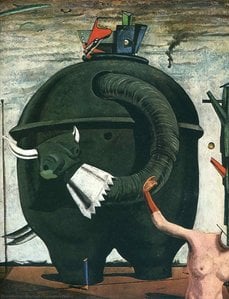
    • L'Elefante di Celebes
Esplora opere d'arte organizzate per temi, stili e caratteristiche.