


Olio su tela dipinto a mano nelle tue dimensioni e con la tua cornice, realizzato su ordinazione dai nostri artisti. ( Acquista stampa Acquista immagine)





























Scegli tra le nostre dimensioni predefinite, che rispettano le proporzioni originali dell'opera d'arte.

È possibile inserire dimensioni personalizzate per adattare l'opera a una cornice o a uno spazio specifico. Se la dimensione selezionata non corrisponde alle proporzioni dell'immagine originale, provvederemo a ritagliare l'opera o a estendere il dipinto con elementi aggiuntivi dipinti a mano. Un mockup digitale ti sarà inviato per approvazione prima dell'inizio della produzione.
Si prega di notare che l'anteprima a schermo non riflette il ritaglio o l'estensione effettivi. Solo il mockup mostrerà accuratamente la composizione finale.
Sebbene siano disponibili dimensioni personalizzate, consigliamo di selezionare una dimensione dall'elenco predefinito per preservare le proporzioni originali.
Consegna in tutto il mondo () in 3/4 settimane anziché nelle normali 5 settimane. (7 Settembre). Nessun compromesso sulla qualità.


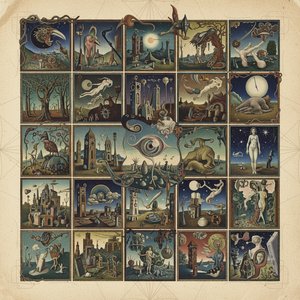
Compendio di storia universale
Dimensioni riproduzione
Max Ernst’s “Compendio di storia universale” presents an arresting visual paradox – a monumental canvas dominated by a seemingly simple red background, yet teeming with layers of complex meaning and unsettling psychological depth. This large-scale work, dating from the artist's prolific output, immediately confronts the viewer with a fragmented face, constructed not through traditional representational techniques but through a deliberate collage of shapes, colors, and subtly layered imagery. It’s a piece that demands prolonged observation, rewarding the patient eye with an increasingly intricate tapestry of anxieties and reflections on the nature of history itself.
Understanding “Compendio di storia universale” requires acknowledging Max Ernst’s unique intellectual background. Born in 1891 in Brühl, Germany, Ernst was a voracious reader and student of philosophy, art history, psychology, and psychiatry – disciplines he pursued with an almost obsessive intensity at the University of Bonn. This interdisciplinary approach profoundly shaped his artistic vision, leading him to reject representational realism in favor of exploring the subconscious mind and challenging established notions of truth and perception. His work is less about depicting a specific reality than it is about excavating hidden anxieties and confronting the viewer with uncomfortable questions about human existence.
The red background itself is laden with symbolic weight. Red has long been associated with passion, violence, and primal instincts – emotions that Ernst frequently explored in his work. The distorted face evokes a sense of unease and vulnerability, suggesting the fragility of human identity in the face of overwhelming historical forces. The inclusion of multiple faces within the background creates a feeling of claustrophobia and suggests the burden of collective memory. “Compendio di storia universale” is not a comfortable image; it’s a powerful and unsettling meditation on the complexities of human experience, inviting viewers to confront their own anxieties about the past and the future.


1891 - 1976 , Germania
Esplora i 25 capolavori di Max Ernst, pioniere del Surrealismo. Scopri la storia, le tecniche e il simbolismo dietro ogni opera iconica. Trova riproduzioni arte su tela di alta qualità per decorare casa con WahooArt.com.

Esplora i 25 capolavori di Wassily Kandinsky, pioniere dell'arte astratta. Scopri la storia, il significato e le tecniche dietro ogni dipinto iconico. Trova riproduzioni d'arte di alta qualità per decorare la tua casa su WahooArt.com.

Esplora i 10 capolavori dell'Espressionismo Astratto con ! Scopri Pollock, Rothko e De Kooning: storia, tecnica e significato di opere iconiche per arredare la tua casa con arte di alta qualità. Esplora la collezione online!

Esplora i 10 capolavori dell'Astrazione Geometrica: Mondrian, Malevich e Kandinsky rivoluzionano l'arte moderna. Scopri la storia, i colori e le tecniche di questi movimenti iconici. Stampe d'arte di alta qualità su WahooArt.com!

Esplora le 25 opere più iconiche di Mark Rothko, il maestro dell'espressionismo astratto. Scopri la storia, i colori e l'emozione dietro ogni tela. Acquista riproduzioni artistiche di alta qualità per arredare con stile su WahooArt.com

 Anteprima in scala reale
 Invia
Invia Condividi
 Dettagli opera

 Scarica immagine
 Simili
 Radiografia
 Slideshow

 Espandi i dettagli







 L'opzione vetro è disponibile solo per dimensioni inferiori a 110 cm


