Una finestra nell'anima di Rothko: esplorando ‘Autumn’
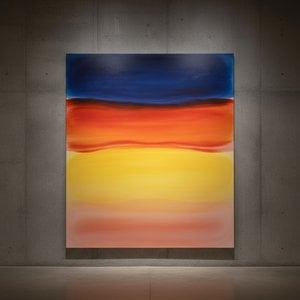
L’opera ‘Autumn’ di Mark Rothko non è una rappresentazione della stagione in alcun senso tradizionale; è, piuttosto, un’esplorazione della risonanza emotiva attraverso le forme più semplici. Il dipinto presenta una serie di blocchi rettangolari di colore – blu profondi che suggeriscono finestre in ombra incorniciate da un bianco netto – disposti con una deliberata ambiguità che invita alla contemplazione. È un’opera profondamente radicata nell'Espressionismo Astratto, eppure trascende ogni facile categorizzazione, esistendo come una potente dichiarazione sull'esperienza umana e sulla ricerca di significato. Rothko non era interessato a rappresentare il mondo esterno; cercava di evocare sentimenti profondi nello spettatore attraverso il colore e la scala. Le sbarre sulle ‘finestre’ non sono dettagli architettonici letterali, ma suggeriscono piuttosto una sensazione di confinamento, desiderio o forse persino una fragile speranza che scruta verso uno spazio indefinito.
L'evoluzione di un visionario
Nato Marcus Yakovlevich Rothkowitz in Lettonia nel 1903, il percorso di Rothko per diventare uno degli artisti più influenti del XX secolo fu plasmato dallo spostamento e dalla curiosità intellettuale. L'emigrazione della sua famiglia in America nel 1913 instillò un senso di alterità che forse alimentò la sua esplorazione vitale di temi universali. Inizialmente dedito alla pittura figurativa, con vedute urbane e ritratti, Rothko si allontanò gradualmente dalla rappresentazione, spinto dal desiderio di esprimere verità emotive più profonde. Le ansie della Seconda Guerra Mondiale si rivelarono cruciali; iniziò a sperimentare con soggetti mitologici e il Surrealismo prima di approdare allo stile iconico per cui è celebrato: le grandi tele a campi di colore. Questa evoluzione non fu meramente stilistica ma filosofica – Rothko credeva che l'arte dovesse essere un'esperienza, un condotto diretto verso le emozioni primordiali, scavalcando l'analisi intellettuale.
Il colore come emozione, la forma come presenza
La tecnica in ‘Autumn’ è ingannevolmente semplice. Rothko applicava il colore in sottili velature, sovrapponendo strato su strato per creare campi luminosi che sembrano respirare e vibrare sulla tela. Non si trattava di una pennellata precisa o di un rendering dettagliato; l'obiettivo era permettere ai colori stessi di parlare. Il blu scelto per queste 'finestre' non è un azzurro gioioso, ma piuttosto una tonalità cupa, che accenna alla malinconia o all'introspezione. Le cornici bianche forniscono un contrasto netto, intensificando l'impatto emotivo e creando un senso di profondità che attira lo spettatore all'interno. La composizione è attentamente bilanciata, pur evitando la simmetria, conferendole una qualità organica che appare allo stesso tempo monumentale e profondamente personale. L'intenzione di Rothko non era creare oggetti belli, ma piuttosto provocare una risposta viscerale – un sentimento di stupore, tristezza o persino un risveglio spirituale.
Un'eredità di contemplazione
L'opera di Rothko continua a risuonare profondamente con il pubblico contemporaneo. Il suo progetto più ambizioso, la Rothko Chapel a Houston, in Texas, si erge come testimonianza della sua fede nel potere dell'arte di trascendere i confini religiosi e culturali. La cappella, che ospita quattordici delle sue tele scure, è concepita come uno spazio per la contemplazione e l'esplorazione spirituale. ‘Autumn’, pur essendo di dimensioni ridotte rispetto ai dipinti della cappella, condivide lo stesso impegno nel creare un'esperienza emotiva immersiva. Possedere una riproduzione di quest'opera non significa semplicemente acquisire un pezzo decorativo; significa invitare un momento di quieta riflessione nella propria casa o nel proprio ufficio – un promemoria del potere dell'arte di connetterci a qualcosa di più grande di noi stessi e di esplorare le profondità della condizione umana.
Domande e risposte
Come viene descritto il tono emotivo di "AUTUNNO" di Mark Rothko?
"AUTUNNO" di Mark Rothko è descritto come Sereno per atmosfera. Questa classificazione può aiutare a abbinare l'opera a un ambiente.
A quale periodo storico appartiene "AUTUNNO" di Mark Rothko?
Il periodo storico di "AUTUNNO" di Mark Rothko è Rinascimento. Questa classificazione colloca l'opera all'interno della storia dell'arte.
"AUTUNNO" è disponibile come stampa d'arte?
Per ordinare una stampa di "AUTUNNO" di Mark Rothko, ti basta procedere con l'ordine su questa pagina: una stampa fine art su tela di cotone o carta canvas d'archivio.
Chi vende copie dipinte a mano di "AUTUNNO" di Mark Rothko?
Le copie dipinte a mano di "AUTUNNO" di Mark Rothko sono in vendita su questo sito: una riproduzione a olio dipinta a mano su tela di lino, ordinabili tramite questa pagina.
Quali stati d'animo ed emozioni si fondono in "AUTUNNO"?
In "AUTUNNO", un'atmosfera Sereno accompagna un'emozione Malinconico.
In quale periodo della carriera di Mark Rothko si colloca "AUTUNNO"?
"AUTUNNO" rappresenta il Mature Period di Mark Rothko.
A quale artista è attribuito "AUTUNNO"?
"AUTUNNO" è stata creata da Mark Rothko. Le informazioni contenute in questa pagina descrivono l'opera originale di Mark Rothko.



 Anteprima in scala reale
 Ordina la riproduzione dipinta a mano
 Condividi
 Condividi
 Dettagli
 Guida stampabile

 Scarica
 Articoli simili
 Radiografia
 Slideshow
 Statistiche

 Leggi tutto






































 L'opzione vetro è disponibile solo per dimensioni inferiori a 110 cm