CONSULENZA D'ARTE GRATUITA

x
Acquista stampa Acquista stampaAcquista download Acquista download InviaInvia
DettagliDettagli Aggiungi ai preferiti Aggiungi ai preferiti ScaricaScarica SimiliSimili RadiografiaRadiografia SlideshowSlideshow

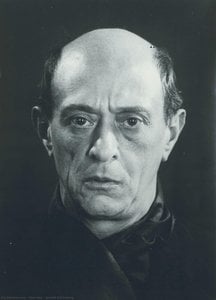
(Untitled)

Experience Man Ray's surreal black and white shadow play with this evocative piece, capturing Dadaist mystery; discover the art of chance today.

Scopri Man Ray (1890-1976): fotografo surrealista rivoluzionario e maestro dell'innovazione artistica, dalle rayografie ai film sperimentali. Un artista unico che ha cambiato il volto dell'arte moderna.

Riproduzione a olio fatta a mano

Olio su tela dipinto a mano nelle tue dimensioni e con la tua cornice, realizzato su ordinazione dai nostri artisti.

Standard
custom
CM
INCH

Scegli tra le nostre dimensioni predefinite, che rispettano le proporzioni originali dell'opera d'arte.

larghezza
altezza

È possibile inserire dimensioni personalizzate per adattare l'opera a una cornice o a uno spazio specifico. Se la dimensione selezionata non corrisponde alle proporzioni dell'immagine originale, provvederemo a ritagliare l'opera o a estendere il dipinto con elementi aggiuntivi dipinti a mano. Un mockup digitale ti sarà inviato per approvazione prima dell'inizio della produzione.
Si prega di notare che l'anteprima a schermo non riflette il ritaglio o l'estensione effettivi. Solo il mockup mostrerà accuratamente la composizione finale.
Sebbene siano disponibili dimensioni personalizzate, consigliamo di selezionare una dimensione dall'elenco predefinito per preservare le proporzioni originali.

Esempi di modifiche possibili: sostituire il volto con una foto del cliente; aggiungere un animale domestico (ad esempio, sostituire un gatto con un cane); inserire un messaggio nascosto sullo sfondo; modificare il paesaggio o gli elementi dello sfondo.
Dopo l'ordine, il team di WahooArt.com invierà un'e-mail al cliente per le istruzioni e fornirà un'anteprima del mockup

Consegna in tutto il mondo () in 3/4 settimane anziché nelle normali 5 settimane. (3 Luglio). Nessun compromesso sulla qualità.

why_choose_icon
Spedizione espressa gratuita in tutto il mondo

why_choose_icon
Tela in lino di alta qualità
why_choose_icon
Assicurazione completa sulla spedizione
why_choose_icon
Garanzia di rimborso dei dazi doganali
why_choose_icon
Garanzia di fedeltà cromatica
why_choose_icon
Politica di reso entro 60 giorni (solo per difetti)
why_choose_icon
Garanzia di rimborso al 100%
why_choose_icon
Sconto per acquisti multipli

Prezzo totale

-

reproduction

(Untitled)

Tecnica di riproduzione

Dimensioni riproduzione

-

Prezzo totale finale

-

Informazioni rapide

  • Medium: Photography
  • Artist: Man Ray
  • Movement: Surrealism
  • Location: Private Collection
  • Influences:
    • Alfred Stieglitz
    • Dada
  • Notable elements or techniques: Photogram; Rayograph

Quiz d'arte

Per ogni domanda è presente una sola risposta corretta.

Domanda 1:
What artistic movement heavily influenced Man Ray's conceptual framework, encouraging a rejection of logic?
Domanda 2:
What common object is the primary subject matter described for Man Ray's 'Untitled,' transforming it into an emblem of time?
Domanda 3:
The photograph's description mentions a black and white palette used to accentuate what aspect of the artwork?
Domanda 4:
Man Ray's early artistic efforts included a deliberate attempt to establish himself as what before embracing photography?
Domanda 5:
The presence of a bird in the photo description adds an element that is described as:

Descrizione dell'opera

Man Ray’s Exploration of Shadow and Texture: An Examination of “Untitled”

The American artist Man Ray (1890-1976) fundamentally reshaped the perception of photography, elevating it from mere documentation to a form of artistic expression. His groundbreaking approach began in New York with paintings—a deliberate effort to establish himself as a visual artist before embracing the revolutionary ideas of Dadaism, championed by Marcel Duchamp in 1915. This pivotal encounter propelled Ray’s conceptual framework far beyond traditional aesthetics, initiating his foray into sculpture through the adoption of the “ready-made,” exemplified by The Gift (1921)—a deliberate provocation against established artistic conventions. However, it was Paris that truly cemented Ray's legacy as a multifaceted innovator; he immersed himself in cinema alongside portraiture and fashion photography, honing his craft and experimenting with techniques that would firmly establish him within the Surrealist movement. This exploration of visual language—characterized by meticulous observation and imaginative manipulation—continues to resonate today.
  • Subject Matter: Ray’s “Untitled” presents a deceptively simple subject – a wristwatch. Yet, this commonplace object becomes transformed into an emblem of time itself, subtly hinting at themes of mortality and the passage of experience.
  • Style & Technique: The photograph employs a stark black and white palette, maximizing tonal contrast to accentuate the textures of the watch’s surface. Ray meticulously positioned the wristwatch against a dark background, creating dramatic shadows that heighten its visual impact. This technique—characteristic of Surrealist aesthetics—aims to bypass rational thought and tap into subconscious associations.

The artwork's historical context is inextricably linked to the Dada movement’s rejection of logic and reason in favor of absurdity and chance. Ray, deeply influenced by Duchamp’s conceptual challenge to artistic norms, sought to disrupt conventional notions of beauty and representation. “Untitled” embodies this spirit—a deliberate refusal to embellish or interpret the subject matter, prioritizing instead the inherent qualities of light and shadow.

  • Symbolism: The wristwatch serves as a potent symbol of time’s relentless march forward, reminding viewers of the inevitability of aging and decay. Simultaneously, its geometric form—a precise rectangle—contrasts with the amorphous darkness surrounding it, representing the unknown realms of consciousness and imagination.

Ultimately, “Untitled” evokes a profound emotional response – one of quiet contemplation and melancholic beauty. The photograph’s austere composition invites viewers to consider the fragility of existence and the enduring power of visual art to transcend literal description. It stands as a testament to Man Ray's unwavering commitment to pushing artistic boundaries and capturing fleeting moments of sensory experience.


Biografia dell'artista

A Life Illuminated by Shadows

Emmanuel Radnitzky, known to the world as Man Ray, was a restless spirit who defied easy categorization. Born in 1890 in Philadelphia to Russian Jewish immigrant parents, Melach “Max” Radnitzky and Manya “Minnie” Radnitzky (née Lourie or Luria), his journey from aspiring painter to pioneering photographer and filmmaker embodies the radical artistic ferment of the early 20th century. The shift from “Manny” Radnitzky to the enigmatic “Man Ray” itself speaks volumes about an artist determined to forge a new identity, one unbound by convention. His family’s move to New York City proved pivotal, exposing him to the burgeoning modernist scene and instilling in him a lifelong fascination with experimentation. Early influences included the European avant-garde showcased at Alfred Stieglitz's 291 gallery, and the raw realism of the Ashcan School – a blend that would subtly inform his later work. Though initially dedicated to painting, it was photography that ultimately became Ray’s most potent medium for exploring the boundaries of perception and reality. He wasn’t merely capturing images; he was inventing new ways of *seeing*. His artistic trajectory took a dramatic turn with his encounter with Marcel Duchamp in New York around 1915. This meeting sparked a shared fascination with challenging traditional notions of art, leading to explorations of “ready-mades” – ordinary manufactured objects elevated to the status of artwork. This rebellious spirit propelled Ray into the heart of the Dada movement, an anti-art protest born from the disillusionment of World War I. In 1921, he made the momentous decision to relocate to Paris, becoming a central figure in both the Dada and Surrealist circles that flourished there. While never fully aligning himself with any rigid artistic dogma, Ray embraced the Surrealists’ exploration of the unconscious mind, dreams, and the irrational. His work during this period is characterized by a dreamlike quality, often unsettling yet undeniably captivating. He wasn’t interested in depicting reality as it *is*, but rather as it *feels* – fragmented, distorted, and imbued with hidden meanings. This embrace of the subconscious allowed him to move beyond mere representation towards an exploration of psychological states and emotional resonance within his art. Ray’s photographic innovations were groundbreaking. He mastered techniques like solarization—a process that reverses tonal values—creating dramatic visual effects that defied conventional photographic aesthetics. His meticulous attention to detail, combined with a masterful understanding of composition, resulted in portraits that captured not just likeness but also psychological depth. Notably, he collaborated closely with Lee Miller, forging an artistic partnership marked by mutual respect and creative synergy. Their photographs together explored themes of femininity, vulnerability, and the complexities of human emotion. Ray’s exploration of Surrealist principles extended beyond his photographic practice into filmmaking, where he experimented with innovative techniques like stop-motion animation and superimposition to create films that challenged narrative conventions and pushed the boundaries of cinematic expression. His films—such as *Le Retour à la Raison* (1923) and *L'Étoile de Mer* (1928)—were considered precursors to Surrealist cinema, demonstrating Ray’s commitment to artistic experimentation and his willingness to defy established norms. Beyond Dada and Surrealism, Man Ray cultivated a diverse range of interests—from poetry to essay writing—reflecting his intellectual curiosity and his desire to engage with broader cultural dialogues. He was influenced by thinkers like Sigmund Freud and Henri Bergson, whose ideas shaped his understanding of psychology and consciousness. His artistic vision was informed by a profound appreciation for the beauty of imperfection and an unwavering belief in the transformative power of art. Throughout his prolific career, Ray consistently sought new challenges—embracing diverse mediums and experimenting with unconventional approaches to visual storytelling. He died peacefully in Paris in 1976, leaving behind a legacy that continues to inspire artists and scholars alike. His enduring influence can be seen across various disciplines—from contemporary photography and film to fashion and design—demonstrating the remarkable ability of his artistic vision to transcend time and resonate with audiences worldwide. His contribution to modern art is undeniable. He helped establish Dada as an influential movement, advocating for radical experimentation and rejecting traditional artistic conventions. His pioneering use of rayographs revolutionized photographic technique, transforming it into a tool for exploring subconscious imagery and challenging perceptions of reality. And his cinematic endeavors paved the way for future generations of avant-garde filmmakers—solidifying his place as one of the most innovative and influential artists of the 20th century.
Man Ray

Man Ray

1890 - 1976 , Stati Uniti d'America

Dati rapidi

  • Artistic Movement Or Style: Dada, Surrealismo
  • Artists Or Movements Influenced By This Artist: ['Surrealismo']
  • Artists Who Influenced This Artist: ['Marcel Duchamp']
  • Date Of Birth: 27 agosto 1890
  • Date Of Death: 18 novembre 1976
  • Full Name: Emmanuel Radnitzky
  • Nationality: American
  • Notable Artworks:
    • Rayografie
    • Le Retour à la Raison
    • L'Étoile de Mer
  • Place Of Birth: Philadelphia, USA
Esplora opere d'arte organizzate per temi, stili e caratteristiche.