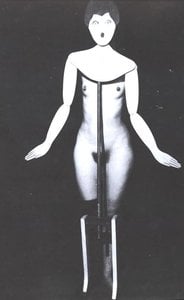
Una vita illuminata dalle ombre
Emmanuel Radnitzky, conosciuto al mondo come Man Ray, era uno spirito inquieto che sfidava ogni facile categorizzazione. Nato nel 1890 a Philadelphia da genitori immigrati ebrei russi, il suo percorso da aspirante pittore a fotografo e cineasta pionieristico incarna il radicale fermento artistico dell'inizio del XX secolo. Il passaggio da “Manny” Radnitzello all'enigmatico “Man Ray” dice molto di per sé su un artista determinato a forgiare una nuova identità, libera da ogni convenzione. Il trasferimento della sua famiglia a New York si rivelò decisivo, esponendolo alla nascente scena modernista e instillandogli una fascinazione per l'esperimento che lo avrebbe accompagnato per tutta la vita. Le prime influenze includevano l'avanguardia europea esposta nella galleria 291 di Alfred Stieglitz e il crudo realismo della Ashcan School – un connubio che avrebbe influenzato sottilmente le sue opere successive. Sebbene inizialmente dedito alla pittura, fu la fotografia a diventare infine il mezzo più potente per Ray per esplorare i confini della percezione e della realtà. Non si limitava a catturare immagini; stava inventando nuovi modi di *vedere*. Le sue prime imprese artistiche furono segnate dal desiderio di rompere con gli stili tradizionali, influenzate dall'incontro sia con il modernismo europeo che con l'energia vitale della vita di New York. Il Ferrer Centre, con le sue tendenze anarchiche e l'enfasi sulla libera espressione, si rivelò particolarmente formativo in questo periodo, favorendo un ambiente in cui la sperimentazione non era solo incoraggiata, ma attesa.
Dada, Surrealismo e la ricerca dell'impossibile
La traiettoria artistica di Man Ray prese una svolta drammatica con l'incontro con Marcel Duchamp a New York intorno al 1915. Questo incontro accese una comune fascinazione per la sfida alle nozioni tradizionali d'arte, portando alle esplorazioni dei “ready-mades” – oggetti comuni e manufatti elevati allo status di opera d'arte. Questo spirito ribelle spinse Ray nel cuore del movimento Dada, una protesta anti-arte nata dal disincanto della Prima Guerra Mondiale. Nel 1921, prese la monumentale decisione di trasferirsi a Parigi, diventando una figura centrale sia nei circoli Dada che in quelli Surrealisti che vi fiorivano. Pur non allineandosi mai completamente ad alcun rigido dogma artistico, Ray abbracciando l'esplorazione surrealista dell'inconscio, dei sogni e dell'irrazionale. La sua opera durante questo periodo è caratterizzata da una qualità onirica, spesso inquietante ma innegabilmente affascinante. Non era interessato a ritrarre la realtà così com'è, ma piuttosto come si *percepisce* – frammentata, distorta e intrisa di significati nascosti. Questo abbraccio del subconscio gli permise di andare oltre la mera rappresentazione verso un'esplorazione degli stati psicologici e della risonanza emotiva all'interno della sua arte. Le sue collaborazioni con altri artisti surrealisti, come Salvador Dalí, consolidarono ulteriormente la sua posizione all'interno del movimento, sebbene egli abbia sempre mantenuto un certo grado di indipendenza nella sua visione artistica.
Le rayografie e l'alchimia della luce
Forse Man Ray è celebrato soprattutto per l'invenzione della “rayografia”, una tecnica fotografica senza fotocamera scoperta quasi per caso. Queste immagini – create posizionando oggetti direttamente sulla carta fotosensibile ed esponendoli alla luce – producevano composizioni eteree e spettrali che sfidavano la rappresentazione fotografica convenzionale. La rayografia non era semplicemente un metodo alternativo; era una dichiarazione filosofica sulla natura stessa della fotografia. Eliminando l'obiettivo della macchina fotografica, Ray spogliò l'illusione dell'oggettività, rivelando la soggettività intrinseca del mezzo. Queste non erano rappresentazioni *di* cose, ma piuttosto impronte dirette *provenienti* da esse, infuse di un senso di mistero e di un'altrove dimensione. Oltre alle rayografie, i suoi ritratti fotografici – in particolare quelli di artiste come Lee Miller (che sarebbe diventata sia la sua musa che la sua collaboratrice) – sono rinomati per le loro composizioni sorprendenti e la profondità psicologica. Sperimentò incessantemente con la solarizzazione, le esposizioni multiple e la manipolazione in camera oscura, spingendo i limiti di ciò che la fotografia poteva raggiungere. La
solarizzazione, in particolare, divenne una tecnica distintiva, creando drammatici ribaltamenti di tono che aggiungevano un elemento di perturbante ai suoi ritratti.
Oltre l'immobilità: il cinema e un'eredità duratura
La curiosità artistica di Man Ray si estese oltre le immagini fisse al regno del cinema. I suoi film sperimentali, come *Le Retour à la Raison* (1923) e *L'Étoile de Mer* (1928), erano caratterizzati da un'immaginario surrealista, tecniche di montaggio non convenzionali e il rifiuto delle convenzioni narrative. Non si trattava di storie raccontate in senso tradizionale; erano poesie visive, esplorazioni di forma, ritmo e subconscio. Utilizzò spesso tecniche innovative come l'animazione stop-motion e la sovrapposizione per creare effetti disorientanti e onirici. Sebbene la sua produzione cinematografica sia rimasta relativamente limitata in volume, fu profondamente influente sulle generazioni successive di cineasti d'avanguardia. Durante la sua lunga carriera, Man Ray continuò a sfidare le norme artistiche, rifiutandosi di essere confinato da etichette o aspettative. Morì a Parigi nel 1976, lasciando dietro di sé un corpus di opere che continua a ispirare e provocare. La sua eredità risiede non solo nelle sue innovazioni tecniche, ma anche nel suo incrollabile impegno per la libertà artistica e nella sua incessante ricerca dell'impossibile – un vero pioniere che ha alterato per sempre la nostra percezione dell'arte e della realtà.
La sua influenza può essere vista in varie discipline, dalla fotografia e dal cinema contemporanei alla moda e al design, dimostrando il potere duraturo della sua visione.
Un'influenza continua
- Fotografia: Le tecniche di Man Ray, in particolare la rayografia e la solarizzazione, continuano a essere esplorate dai fotografi contemporanei.
- Surrealismo: I suoi contributi hanno consolidato il linguaggio visivo del movimento e ispirato innumerevoli artisti in diverse discipline.
- Cinema Sperimentale: Il suo lavoro pionieristico nel cinema ha gettato le basi per le future generazioni di cineasti d'avanguardia.
- Fotografia di Moda: L'approccio innovativo di Ray al ritratto e alla composizione ha influenzato lo sviluppo della fotografia di moda moderna.
L'impatto di Man Ray si estende ben oltre la sua stessa vita, continuando a risuonare negli artisti e nel pubblico di oggi. La sua volontà di sperimentare, il suo rifiuto della convenzione e il suo incrollabile impegno per la libertà artistica fungono da potente ispirazione per coloro che cercano di spingere i confini dell'espressione creativa. Rimane una figura fondamentale dell'arte del XX secolo, la cui opera continua a sfidare, provocare e incantare.



 Anteprima in scala reale
 Ordina la riproduzione dipinta a mano
 Condividi
 Condividi
 Dettagli
 Guida stampabile

 Scarica
 Articoli simili
 Radiografia
 Slideshow
 Statistiche


 Leggi tutto






































 L'opzione vetro è disponibile solo per dimensioni inferiori a 110 cm