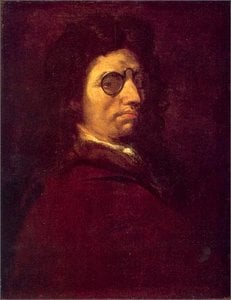
Un Dinamo Napoletano: La Vita e l'Arte di Luca Giordano
Luca Giordano, nato a Napoli nel 1634, fu un nome che rapidamente divenne sinonimo dello spirito esuberante del tardo Barocco. Non era semplicemente un artista; era una forza della natura, un turbine di creatività la cui prolifica produzione trasformò sia le tele che gli spazi architettonici in tutta Italia e Spagna. Suo padre, Antonio Giordano, pose le fondamenta iniziali della sua formazione artistica, ma fu sotto la guida severa ma magistrale di Jusepe de Ribera che il giovane Luca iniziò veramente a forgiare il suo percorso distintivo. Questo primo apprendistato lasciò un'impronta indelebile, evidente nell'intensa drammaticità e nella rappresentazione realistica delle figure caratteristiche delle prime opere di Giordano. Tuttavia, a differenza della tavolozza spesso cupa di Ribera, Giordano possedeva una naturale inclinazione verso la luminosità e il movimento – qualità che avrebbero finito per definire il suo stile unico. Già allora si guadagnò il soprannome di “Luca fa presto” – Luca il veloce – una testimonianza della sua notevole velocità e della sua energia apparentemente illimitata. Non era semplicemente abile; era capace di catturare profonda emozione e spettacolare meraviglia con una facilità che stupiva i contemporanei.
Da Napoli alla Spagna: Una Carriera in Costante Movimento
Il percorso artistico di Giordano fu tutt'altro che statico. Fu una progressione dinamica alimentata da commissioni e viaggi, che lo portarono attraverso la penisola italiana e oltre. Dopo essersi affermato come una stella nascente a Napoli, cercò opportunità a Roma, Firenze e Venezia, assorbendo le diverse influenze di ogni città come una spugna. A Venezia studiò le opere di Tiziano e Veronese, abbracciando le loro tavolozze cromatiche vibranti e le composizioni dinamiche – un netto contrasto con il tenebrismo del suo primo addestramento. Firenze lo vide intraprendere importanti cicli di affreschi, in particolare nella cupola della Cappella Corsini nella Chiesa del Carmine, dimostrando la sua crescente maestria nell'illusione spaziale e nella narrazione visiva. Ma fu il suo soggiorno decennale in Spagna (1682-1692) a consolidare la sua reputazione internazionale. Nominato pittore di corte di Carlo II, Giordano trasformò gli interni spagnoli con sontuosi affreschi, iniettando una dose necessaria di esuberanza italiana nella più sobria tradizione artistica spagnola. La Biblioteca Riccardiana a Firenze, adornata da affreschi allegorici che celebrano la saggezza divina, testimonia questo periodo, dimostrando la sua capacità di fondere profondità intellettuale e splendore visivo.
Una Sintesi di Stili: La Firma Artistica di Giordano
Il genio di Giordano non risiedeva nell'inventare tecniche completamente nuove, ma nel sintetizzare quelle esistenti in uno stile notevolmente fluido e decorativo. Combinò magistralmente il realismo drammatico ereditato da Ribera, il colorismo luminoso ispirato dai pittori veneziani e le composizioni dinamiche che ricordano Pietro da Cortona. Il suo tocco di pennello era caratterizzato dalla sua libertà e spontaneità, creando un'impressione di grazia senza sforzo. Non aveva paura di abbracciare l'ornamento, riempiendo le sue tele con dettagli intricati e drappeggi vorticosi – un marchio distintivo del suo stile maturo. Questo approccio gli permise di affrontare una vasta gamma di soggetti – da scene religiose e narrazioni mitologiche a ritratti e schemi decorativi – con uguale bravura.
Il Giudizio di Paride, conservato nel Museo di Berlino, esemplifica questa sintesi; è un vibrante spettacolo di mitologia classica reso con un'aria decisamente barocca. I suoi affreschi, in particolare quelli che si trovano nella Cattedrale di Napoli e in vari palazzi napoletani, sono risultati monumentali, trasformando gli spazi architettonici in esperienze visive immersive che avvolgevano gli spettatori in un mondo di colore e dramma.
Eredità e Influenza: L'Impatto Duraturo di un Maestro
L'influenza di Luca Giordano si estese ben oltre la sua vita. Formò numerosi allievi, tra cui Paolo de Matteis, che divenne a sua volta un artista di successo, diffondendo le sue innovazioni stilistiche in tutta Italia e oltre. Il suo lavoro servì da ponte tra l'Alto Barocco e il periodo Rococò, aprendo la strada all'estetica più leggera e giocosa che avrebbe caratterizzato l'arte del XVIII secolo.
La sua prolifica produzione – stimata in oltre seicento dipinti e numerosi cicli di affreschi – continua ad affascinare il pubblico oggi. Il Palazzo di Capodimonte a Napoli rimane un tesoro delle sue opere, offrendo una panoramica completa della sua evoluzione artistica. La capacità di Giordano di fondere perfettamente virtuosismo tecnico con profondità emotiva assicura il suo posto come uno dei personaggi più importanti e amati del Barocco italiano. Morì nella sua Napoli natia nel 1705, lasciando un'eredità che continua a ispirare artisti e appassionati d'arte.
Opere Chiave e Connessioni Artistiche
Ecco alcune opere notevoli e connessioni artistiche:
- Il Giudizio di Paride (Museo di Berlino): Un ottimo esempio dei dipinti mitologici di Giordano, che mostra la sua tavolozza cromatica vibrante e la composizione dinamica.
- Cristo tra i Dottori nel Tempio (Galleria Corsini, Roma): Dimostra la sua abilità nella narrazione religiosa e la padronanza della luce e dell'ombra.
- Affreschi a Firenze e Napoli: Risultati monumentali che hanno trasformato gli spazi architettonici in esperienze visive immersive.
- Influenze: Jusepe de Ribera, Tiziano, Veronese, Pietro da Cortona
- Artisti influenzati: Paolo de Matteis e una generazione di pittori napoletani.



 Anteprima in scala reale
 Passa alle stampe
 Condividi
 Condividi
 Dettagli

 Scarica
 Articoli simili
 Radiografia
 Slideshow
 Statistiche


 Leggi tutto






































 L'opzione vetro è disponibile solo per dimensioni inferiori a 110 cm