Anteprima in scala reale Prova in AR Passa alle stampe Passa all'immagine digitale Condividi
Dettagli Guida Aggiungi ai preferiti Scarica Articoli simili Radiografia Slideshow Statistiche

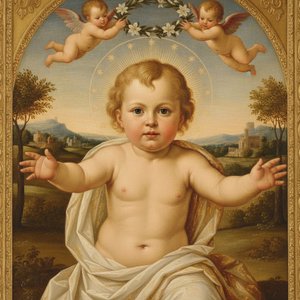
Pietà

Experience the poignant beauty of Lorenzo Lotto's 'Pietà'! This masterpiece captures Mary’s grief and devotion, showcasing his unique Venetian style & masterful detail. Explore Lotto’s legacy today!

Lorenzo Lotto (1480-1556): Maestro veneziano del Rinascimento! Scopri ritratti intensi, altari sacri e un'arte che fonde classicismo e drammaticità. Esplora il suo genio su WahooArt!

Riproduzione a olio fatta a mano

Olio su tela dipinto a mano nelle tue dimensioni e con la tua cornice, realizzato su ordinazione dai nostri artisti. ( Passa alle stampe Passa all'immagine digitale)

P118B $10
P118H $10
P118W $10
P438Z $10
P508JH $12
P508YH $12
P805H $10
P805Z $10
P919BZ $10
P919G $10
P919XJ $10
P959ZH $10
P968JZ $12
W106C $8
W218G $10
W218JH $8
W218Y $10
W307PJ $10
W316G $10
W316PJ $8
W316Y $10
W398PJ $8
W4111J $10
W500HY $15
W500JH $15
W692G $12
W849H $8
W940BG $15
W953PJ $8

Standard
personalizzato
CM
INCH

Scegli tra le nostre dimensioni predefinite, che rispettano le proporzioni originali dell'opera d'arte.

larghezza
altezza

È possibile inserire dimensioni personalizzate per adattare l'opera a una cornice o a uno spazio specifico. Se la dimensione selezionata non corrisponde alle proporzioni dell'immagine originale, provvederemo a ritagliare l'opera o a estendere il dipinto con elementi aggiuntivi dipinti a mano. Un mockup digitale ti sarà inviato per approvazione prima dell'inizio della produzione.
Si prega di notare che l'anteprima a schermo non riflette il ritaglio o l'estensione effettivi. Solo il mockup mostrerà accuratamente la composizione finale.
Sebbene siano disponibili dimensioni personalizzate, consigliamo di selezionare una dimensione dall'elenco predefinito per preservare le proporzioni originali.

Esempi di personalizzazione: sostituire il volto con una foto del cliente; aggiungere un animale domestico (ad esempio, sostituire un gatto con un cane); inserire un messaggio nascosto nello sfondo; cambiare il paesaggio o gli elementi dello sfondo.
Dopo l'ordine, il team di WahooArt.com contatterà il cliente via e-mail per ricevere le istruzioni e fornirà un'anteprima del mockup

Consegna in tutto il mondo () in 3/4 settimane anziché nelle normali 5 settimane. (22 Settembre). Nessun compromesso sulla qualità.

why_choose_icon
Spedizione espressa gratuita in tutto il mondo
why_choose_icon
Tela in lino di alta qualità
why_choose_icon
Assicurazione completa sulla spedizione
why_choose_icon
Garanzia di rimborso dei dazi doganali
why_choose_icon
Garanzia di perfetta fedeltà cromatica
why_choose_icon
Politica di reso entro 100 giorni (solo per difetti di fabbricazione)
why_choose_icon
Garanzia di rimborso al 100%
why_choose_icon
Sconto per acquisti multipli

Prezzo totale

$ 272

reproduction

Pietà

Tecnica di riproduzione

Dimensioni della riproduzione

-

Prezzo totale

$ 272

Dettagli rapidi

  • Influences:
    • Botticelli
    • Bellini
  • Medium: Oil on canvas
  • Location: Pinacoteca di Brera, Milan
  • Movement: High Renaissance
  • Dimensions: 185 x 150 cm
  • Notable elements: Dramatic composition
  • Subject or theme: Religious lamentation

Quiz d'arte

Per ogni domanda è presente una sola risposta corretta.

Domanda 1:
What is the title of the painting?
Domanda 2:
Who painted the Pietà?
Domanda 3:
In what year was the Pietà painted?
Domanda 4:
What is depicted in the painting?
Domanda 5:
According to the provided research, what was Lorenzo Lotto's artistic style characterized by?

The Pietà: A Venetian Masterpiece of Sorrow

Lorenzo Lotto’s 1545 rendition of the Pietà stands as a profoundly moving testament to human suffering and divine grace, a cornerstone of his distinctive artistic vision. Far removed from the idealized beauty often associated with Renaissance sculpture, Lotto's interpretation plunges directly into the heart of grief, offering a raw and intensely personal portrayal of Mary cradling the lifeless body of Christ. This isn’t merely a depiction of a religious scene; it’s an exploration of sorrow, loss, and the enduring power of maternal love—a characteristic that cemented Lotto’s reputation as one of Venice's most psychologically astute painters.

The painting immediately commands attention with its dramatic use of light and shadow. A deep, enveloping darkness dominates the background, creating a sense of claustrophobia and emphasizing the vulnerability of the figures within. Lotto masterfully employs chiaroscuro – the stark contrast between light and dark – to draw our focus to Mary’s face, etched with an anguish that is both palpable and heartbreaking. Her expression isn't one of serene acceptance, but rather a visceral reaction to unimaginable loss; her eyes are closed, suggesting a profound stillness born not of peace, but of overwhelming grief. The folds of her garments cascade around Christ’s body, mirroring the weight of his suffering and her own sorrow.

A Venetian Soul: Lotto's Unique Style

Lotto’s artistic journey was anything but conventional. Unlike many of his contemporaries who established themselves within specific schools or courts, he embraced a nomadic existence, moving between Venice, Treviso, Rome, Bergamo, and Loreto. This constant movement profoundly shaped his style, exposing him to diverse influences while fostering an independent spirit that set him apart. While early training undoubtedly involved the lessons of Giovanni Bellini – evident in the rich colors and atmospheric perspective – Lotto quickly transcended simple imitation, forging a style uniquely his own—a blend of High Renaissance grace and nascent Mannerist sensibiliti. His work is characterized by a nervous energy, an almost palpable sense of unease that reflects the emotional depth he sought to convey.

The painting’s composition itself is notable for its unconventionality. Lotto deliberately avoids the idealized beauty often associated with depictions of Mary and Christ. Instead, he presents them as ordinary people overwhelmed by tragedy. The figures are rendered with a remarkable degree of realism, their faces bearing the marks of age and hardship. This departure from traditional iconography reflects Lotto’s commitment to portraying human emotion with honesty and sincerity. The subtle details – the delicate veins visible beneath Christ's skin, the slight tremor in Mary’s hand – contribute to the painting’s overwhelming sense of immediacy.

Symbolism and Context

The Pietà transcends a simple narrative; it is laden with symbolic meaning. The pyramidal composition, reminiscent of works by Botticelli, anchors the scene while simultaneously directing our gaze towards the central figures. The dark background symbolizes death and despair, while the light that illuminates Mary’s face represents hope and redemption. Crucially, Lotto's choice to depict Mary not as a passive recipient of grief, but as an active participant in Christ’s suffering underscores her role as co-redeemer—a concept central to Christian theology. The inclusion of John the Baptist, standing to the left of Mary, further emphasizes this theme, linking the sorrowful scene with the anticipation of salvation.

The painting was commissioned for a Dominican nunnery in Treviso, and its creation coincided with a period of intense religious fervor in Italy. Lotto’s Pietà reflects this atmosphere of piety and devotion, while also offering a deeply personal meditation on mortality and faith. The fact that the church itself was later destroyed adds another layer of poignancy to the work—a reminder of the fragility of human endeavors and the enduring power of art.

A Timeless Masterpiece

Lorenzo Lotto’s Pietà is more than just a beautiful painting; it's a profound exploration of the human condition. Its raw emotion, masterful technique, and rich symbolism continue to resonate with viewers centuries after its creation. Whether viewed as a devotional object or a work of art for its own sake, this masterpiece offers a glimpse into the soul of a remarkable artist and a timeless meditation on sorrow, loss, and the enduring power of love.


Biografia dell'artista

La Vita e la Formazione di Lorenzo Lotto

Lorenzo Lotto, pittore, disegnatore e illustratore italiano di spicco, nacque a Venezia intorno al 1480. La sua vita giovanile e la sua formazione non sono ben documentate, ma si ritiene che fosse influenzato da Giovanni Bellini, una figura di primo piano della scuola veneziana.

Stile Artistico e Influenze

Il lavoro di Lotto è caratterizzato da un insolito connubio tra l'alto Rinascimento e il Manierismo. I suoi dipinti spesso presentano altari, soggetti religiosi e ritratti, mettendo in mostra la sua abilità tecnica e la profondità emotiva. L’influenza dell’amico di Giorgio Vasari, Palma il Vecchio, è visibile nei primi lavori di Lotto.

Opere Principali e Luoghi

  • Vergine con Bambino e San Girolamo (1506) (National Gallery of Scotland, Edimburgo)
  • Allegoria della Virtù e del Vizio (1505) (National Gallery of Art, Washington)
  • San Girolamo nel Deserto (1500 o 1506) (Louvre, Parigi)

Carriera ed Eredità

La carriera di Lotto si estese in diverse località, tra cui Treviso, Roma e Bergamo. Fu un pittore rispettato nell'Italia settentrionale, ma la sua opera fu ampiamente trascurata a Venezia. Lo stile unico di Lotto, che fonde il classicismo giorgionesco con le scenografie drammatiche di Correggio, è stato riscoperto negli ultimi anni. La sua capacità di infondere nei ritratti una profonda introspezione psicologica e la sua attenzione ai dettagli simbolici lo distinguono come un artista originale e affascinante. Lotto ha lasciato un'impronta significativa nel panorama artistico del Rinascimento italiano, influenzando generazioni successive di pittori con il suo approccio innovativo alla rappresentazione della figura umana e dei temi religiosi.

Movimenti Artistici Chiave e Influenze

  • Rinascimento Italiano
  • Manierismo
  • Alto Rinascimento
Lorenzo Lotto

Lorenzo Lotto

1480 - 1556 , Italia

Informazioni rapide

  • Artistic Movement Or Style: Rinascimento, Manierismo
  • Artists Who Influenced This Artist:
    • Giovanni Bellini
    • Palma il Vecchio
  • Date Of Birth: 1480
  • Date Of Death: 1556
  • Full Name: Lorenzo Lotto
  • Nationality: Italiana
  • Notable Artworks:
    • Vergine e Bambino con S. Girolamo
    • Allegoria di Virtù e Vizio
    • S. Girolamo nel deserto
  • Place Of Birth (City And Country): Venezia, Italia
Esplora le opere d'arte organizzate per temi, stili e caratteristiche.