


L'opera d'arte visualizzata in questa pagina è protetta dalle leggi sul diritto d'autore, il che significa che non possiamo legalmente creare o vendere una riproduzione identica. Tale protezione è garantita da accordi internazionali quali la Convenzione di Berna e dalle leggi nazionali, incluse quelle stabilite da Legge sul copyright degli Stati Uniti - Titolo 17. Tutti i diritti riservati. Le immagini presenti su questo sito sono protette da copyright e non possono essere riprodotte o utilizzate senza l'autorizzazione scritta di WahooArt.com o dei rispettivi proprietari del copyright.
Questo metodo è pienamente conforme alle normative sul diritto d'autore poiché non prevede la copia o la duplicazione dell'opera protetta. Si tratta invece di una rielaborazione creativa: un nuovo dipinto che trae ispirazione dall'originale, senza tuttavia esserne identico.
Stampa giclée o su tela di qualità museale, con produzione rapida e diverse opzioni di finitura. ( Acquista il dipinto realizzato a mano Passa all'immagine digitale)





























Scegli tra le nostre dimensioni predefinite, che rispettano le proporzioni originali dell'opera d'arte.

Inserisci la larghezza e l'altezza desiderate, per adattarle alla tua cornice o alla tua parete. Una stampa può essere solo ritagliata, mai resa più grande dell'immagine originale; pertanto, un formato con una forma differente comporterà la perdita di una parte dell'opera. Ti invieremo un mockup digitale da approvare prima di procedere con la stampa. L'immagine mostrata in questa pagina non rappresenta il ritaglio reale — solo il mockup lo mostra.
Consegna in tutto il mondo () in 2 settimane invece delle normali 4/5 settimane. (8 Novembre)
Donna e il mare
Dimensioni riproduzione
Joy St Clair Hester's "Mujer y el mar" (Woman and the Sea) is not merely a depiction of a female figure; it’s an immersion into a realm of introspective melancholy, rendered with a masterful command of ink and charcoal. Completed in 1956, this work stands as a poignant testament to Hester's signature style – a deeply emotive exploration of human experience, often tinged with a subtle undercurrent of sadness and solitude. The painting immediately draws the viewer in with its monochromatic palette, dominated by shades of gray, black, and white, creating an atmosphere both stark and profoundly intimate. It’s a deliberate choice that strips away superficiality, forcing us to confront the raw emotion conveyed through form and texture.
The composition is strikingly centered around the woman's face, her gaze directed slightly off-camera – a subtle gesture that invites the viewer into her private world. The horizontal line bisecting the image acts as a grounding element, providing structure without disrupting the overall sense of unease or contemplation. Hester’s technique is characterized by loose, gestural brushstrokes, particularly evident in the delineation of the face and hair. These aren't precise renderings; instead, they are expressive marks that convey movement and feeling. Thick layers of ink build up a rich surface texture, punctuated by softer washes that create subtle gradations of tone – a masterful manipulation of value to suggest depth and form. The use of layering is crucial, building an illusion of space and adding to the painting’s tactile quality; it feels as though you could reach out and trace the contours of her face with your fingertips.
The title itself, “Mujer y el mar,” immediately establishes a powerful symbolic connection. The sea has long been a potent metaphor for both life’s vastness and its inherent uncertainties – a space of mystery, danger, and profound beauty. The woman's posture, her averted gaze, suggests a quiet contemplation, perhaps even a yearning or a sense of isolation. There’s an undeniable vulnerability in her expression, hinting at unspoken emotions and hidden depths. Hester was deeply influenced by the Expressionist movement, prioritizing emotional impact over strict realism. This is evident in the painting’s raw intensity and its willingness to confront difficult themes – loneliness, loss, and the complexities of human relationships. The monochromatic palette further amplifies this sense of introspection, stripping away distractions and focusing solely on the core emotions at play.
To fully appreciate “Mujer y el mar,” it’s essential to understand the context in which it was created. Joy St Clair Hester emerged as a significant figure within Australia's burgeoning modernist art scene during the mid-20th century. She was part of the Heide Circle, a group of artists associated with the Heide Museum complex in Melbourne, and also connected to the “Angry Penguins,” a notoriously rebellious collective known for challenging artistic conventions. Her work reflects this spirit of experimentation and her willingness to explore unconventional themes. Hester’s life itself was marked by personal hardship – the early loss of her father profoundly shaped her artistic vision. Her exploration of female subjects, particularly in works like "Mujer y el mar," offered a rare and powerful voice within a male-dominated art world. The painting's creation coincided with a period of significant social change in Australia, mirroring the growing awareness of gender roles and identity.
Today, “Mujer y el mar” remains a compelling example of Hester’s artistic talent and her ability to evoke profound emotional responses. It is a work that invites contemplation, prompting viewers to consider themes of solitude, introspection, and the enduring power of human emotion. High-quality reproductions capture the painting's rich texture and evocative atmosphere, making it an ideal addition to any art collection or interior space.
Joy St Clair Hester è noto anche con il nome di Joy Hester.
"Donna e il mare" di Joy St Clair Hester appartiene al movimento Espressionismo. Questo movimento fornisce il contesto stilistico dell'opera.
"Donna e il mare" di Joy St Clair Hester ha un formato Orientamento verticale. Il formato descrive le proporzioni della composizione.


1920 - 1960 , Australia
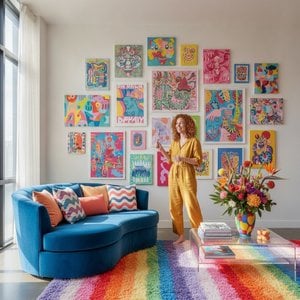
Elevate your home with trend-driven art. Discover how to use vibrant colors and playful textures—from Pop Art to Impressionism—to infuse joy into your space. Learn expert curation tips for creating a sophisticated, high-energy interior through bespoke fine art.
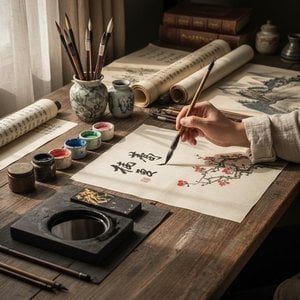
Embark on a sophisticated exploration of ink wash painting and Sumi-e. Uncover the profound historical lineages, Zen philosophies, and technical mastery behind this timeless medium in our authoritative guide for fine art enthusiasts.

Embark on a profound journey through the soul of Chinese calligraphy. Explore the historical mastery of ink, brush, and script, from ancient Zhuanshu to elegant running script, and discover how this timeless art form reflects the enduring spirit of classical East Asian aesthetics.
 Anteprima in scala reale
 Invia
Invia Condividi
 Dettagli opera
 Guida
Guida

 Scarica
 Simili
 Radiografia
 Slideshow
 Domande e risposte
 Statistiche


 Espandi i dettagli









 L'opzione vetro è disponibile solo per dimensioni inferiori a 110 cm


