CONSULENZA D'ARTE GRATUITA

x
Acquista stampa Acquista stampaOrdina la riproduzione Ordina la riproduzione InviaInvia
DetailsDetails Aggiungi ai preferiti Aggiungi ai preferiti ScaricaScarica SimiliSimili X-RayX-Ray SlideshowSlideshow

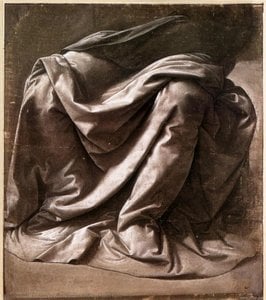
Study

José Jiménez Aranda (1837-1903): pittore spagnolo noto per scene costumbriste vibranti, opere eleganti del XVIII secolo e illustrazioni straordinarie de Il Gigante dalla Testa di Bue. Influenzato da Fortuny, Goya e Velázquez.

Acquista un'immagine digitale ad alta risoluzione e ottimizzata, di qualità nettamente superiore all'anteprima online.

Ogni file è meticolosamente preparato dai nostri specialisti interni attraverso l'uso di strumenti avanzati e un sapiente ritocco manuale. Garantiamo che ogni immagine presenti una chiarezza eccezionale, una precisione cromatica impeccabile e dettagli raffinati.

Il file finale viene consegnato via e-mail entro 72 ore, ottimizzato per un uso immediato in contesti professionali, editoriali e di stampa. Si tratta della stessa qualità affidata dai più prestigiosi studi di design, editori e gallerie d'arte.

Immagine Digitale

Scarica un file ad alta risoluzione per uso personale, per la stampa e per progetti creativi.

Prezzo totale

$9.99

Incluso in ogni ordine di immagini digitali

Consegna digitale professionale e garantita

Quando scegli WahooArt.com, non riceverai solo un'immagine: riceverai un'opera d'arte digitale professionalmente ottimizzata, realizzata con la massima precisione e accompagnata da una garanzia di soddisfazione. Ecco tutto ciò che include il tuo ordine, automaticamente:

shipping_icon
Consegna rapida via email

Riceverai il file dell'immagine digitale ad alta risoluzione via email entro 72 ore dall'ordine, pronto per un uso immediato.

canvas_icon
File digitale ottimizzato dall'IA

La tua opera d'arte viene ottimizzata professionalmente attraverso l'uso di strumenti avanzati di intelligenza artificiale e una revisione manuale, garantendo il massimo livello di dettaglio, nitidezza e accuratezza cromatica.

insurance_icon
Riconsegna gratuita a vita

Hai eliminato o perso accidentalmente il tuo file? Non preoccuparti: te lo invieremo di nuovo in qualsiasi momento, gratuitamente.

tax_icon
Nessun costo di importazione - Sempre

Goditi la tua opera d'arte istantaneamente senza costi doganali, dazi o spese di spedizione: i download digitali sono sempre esenti da tasse.

color_icon
Garanzia di fedeltà cromatica

Garantiamo che la tua immagine digitale rifletta i colori originali con la massima fedeltà, grazie all'uso di strumenti professionali e a una gestione accurata del colore.

return_icon
Garanzia di soddisfazione di 60 giorni

Se non sei soddisfatto della tua immagine digitale, la revisioneremo o ti rimborseremo il 100% entro 60 giorni, senza domande.

guarantee_icon
Garanzia di rimborso al 100%

Non sei soddisfatto? Ricevi un rimborso completo entro 60 giorni dalla ricezione del tuo file digitale, senza dover fornire spiegazioni.

discount_icon
Sconti per ordini multipli

Acquista 3 immagini, risparmia il 10% - Acquista 5, risparmia il 15% - Acquista 10+, risparmia il 20%. Ideale per progetti creativi, gallerie e agenzie.

Opere simili


Biografia dell'artista

José Jiménez Aranda (1837–1903): A Painter's Journey Through Light and Shadow

José Jiménez Aranda, born in Seville in 1837, was a painter who navigated the complexities of Spanish art history with remarkable grace and innovation. His life coincided with a period of significant cultural change—the rise of Romanticism, the burgeoning influence of Impressionism, and the growing awareness of social realities—and his artistic output reflects this dynamic landscape. From formative years steeped in classical training to embracing the luminous vision championed by Mariano Fortuny and culminating in monumental illustrations for Cervantes’ *Don Quijote*, Aranda’s career was marked by a constant striving for excellence and an unwavering commitment to capturing the spirit of his time. He wasn't merely documenting scenes; he was interpreting them, imbuing them with emotion and intellect—a distinction that distinguishes him from many of his contemporaries.

Early Influences and Artistic Formation

Aranda’s artistic inclinations were nurtured from a young age by Manuel Cabral and Eduardo Cano de la Peña. These early instructors instilled in him a foundational understanding of classical techniques, preparing him for the rigorous demands of the Real Academia de Bellas Artes de Santa Isabel de Hungría in Seville. It was here that he honed his skills under luminaries like Francisco Zurbarán and José Luzena, absorbing their stylistic precepts and developing a keen eye for composition and color. However, it was his subsequent travels—particularly to Rome between 1871 and 1878—that truly propelled him toward artistic maturity. During this pilgrimage, he encountered the groundbreaking work of Mariano Fortuny, whose luminous palette and masterful use of light profoundly impacted Aranda’s aesthetic sensibilities. Fortuny’s influence is palpable in paintings from this period—a shared fascination with capturing atmospheric effects and portraying elegant scenes imbued with psychological depth. Before Rome, Aranda immersed himself in the masterpieces of Spanish art at the Museo del Prado in Madrid, studying the works of Goya and Velázquez with a discerning gaze. These masters instilled in him an appreciation for dramatic lighting, expressive brushwork, and the ability to convey profound emotion—qualities that would become central to Aranda’s artistic style. He also undertook significant restoration projects, gaining invaluable experience in pigment analysis and conservation techniques.

Parisian Engagement and Costumbrismo

Between 1881 and 1890, Aranda resided in Paris, where he cultivated connections with fellow artists and embraced the burgeoning Impressionist movement. Although he didn’t fully adopt Impressionistic principles—preferring a more restrained palette and meticulous detail—he nonetheless absorbed its spirit of observation and responsiveness to fleeting moments of light. This engagement broadened his artistic horizons and exposed him to new influences from across Europe. Simultaneously, Aranda began to explore *costumbrismo*, a distinctly Spanish genre that focused on depicting the customs, traditions, and everyday life of the people. Paintings like “Una Desgracia” exemplify this stylistic shift—a poignant portrayal of human suffering rendered with both realism and emotional sensitivity. This work garnered him considerable acclaim at the Nacional exhibition in Madrid, establishing his reputation as a skilled artist capable of conveying complex psychological states. He skillfully blended classical technique with Impressionistic observation, creating images that captured not only visual beauty but also the essence of Spanish culture.

The Triumph of Don Quijote Illustrations

Aranda’s most ambitious undertaking—and arguably his greatest achievement—was his monumental illustration project for a tercentenary edition of Miguel Cervantes’ *Don Quijote*. He produced an astonishing 689 highlighted drawings for this endeavor, transforming Cervantes’ epic tale into a visual spectacle that captivated audiences and cemented Aranda’s legacy as one of Spain’s foremost artists. These illustrations are more than mere decorative embellishments; they are interpretations—vibrant renderings imbued with emotion and psychological insight—that capture the spirit of Cervantes’ masterpiece. His meticulous attention to detail, combined with his masterful use of color and composition, elevated *Don Quijote* into a visual experience that transcended the written word. The project demonstrated Aranda's extraordinary technical prowess and cemented his place as a pivotal figure in Spanish art history.

Legacy and Influence

José Jiménez Aranda died in Seville in 1903, leaving behind a prolific artistic output that continues to inspire admiration and scholarly study. His paintings—ranging from luminous landscapes influenced by Fortuny to poignant depictions of human suffering rooted in *costumbrismo*—stand as testament to his unwavering commitment to artistic excellence and his profound engagement with the cultural landscape of his time. He fostered a new generation of Spanish artists at the Academia de Bellas Artes de Sevilla, shaping the trajectory of Spanish painting for decades to come. His enduring influence resides not only in his stylistic innovations but also in his ability to convey emotion and intellect—qualities that distinguish him from many of his contemporaries and ensure that his work will continue to resonate with audiences for generations ahead. His meticulous technique and expressive vision secured his place as a cornerstone of Spanish artistic heritage
José Jiménez Aranda

José Jiménez Aranda

1837 - 1903 , Spagna

Informazioni rapide

  • Artistic Movement Or Style: Costumbrismo, Genre painting
  • Artists Or Movements Influenced By This Artist: ['Daniel Vázquez Díaz']
  • Artists Who Influenced This Artist:
    • Fortuny
    • Goya
    • Velázquez
  • Date Of Birth: 1837
  • Date Of Death: 1903
  • Full Name: José Jiménez Aranda
  • Nationality: Spanish
  • Notable Artworks:
    • Una Desgracia
    • Don Quijote illustrations
    • A Pass in the Bullring
  • Place Of Birth: Seville, Spain