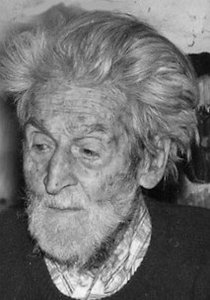
1967
1967 184.0 x 54.0 cm
Acquista un'immagine digitale ad alta risoluzione e ottimizzata, di qualità nettamente superiore all'anteprima online.
Ogni file è meticolosamente preparato dai nostri specialisti interni attraverso l'uso di strumenti avanzati e un sapiente ritocco manuale. Garantiamo che ogni immagine presenti una chiarezza eccezionale, una precisione cromatica impeccabile e dettagli raffinati.
Il file finale viene consegnato via e-mail entro 72 ore, ottimizzato per un uso immediato in contesti professionali, editoriali e di stampa. Si tratta della stessa qualità affidata ai più prestigiosi studi di design, editori e gallerie d'arte.
Scarica un file ad alta risoluzione per uso personale, per la stampa e per progetti creativi. ( Acquista stampa Acquista il dipinto realizzato a mano)
Quando scegli WahooArt.com, non riceverai solo un'immagine: riceverai un'opera d'arte digitale professionalmente ottimizzata, realizzata con la massima precisione e accompagnata da una garanzia di soddisfazione. Ecco tutto ciò che include il tuo ordine, automaticamente:

Riceverai il file dell'immagine digitale ad alta risoluzione via email entro 72 ore dall'ordine, pronto per un uso immediato.

La tua opera d'arte viene ottimizzata professionalmente attraverso l'uso di strumenti avanzati di intelligenza artificiale e una revisione manuale, garantendo il massimo livello di dettaglio, nitidezza e accuratezza cromatica.

Hai eliminato o perso accidentalmente il tuo file? Non preoccuparti: te lo invieremo di nuovo in qualsiasi momento, gratuitamente.

Goditi la tua opera d'arte istantaneamente senza costi doganali, dazi o spese di spedizione: i download digitali sono sempre esenti da tasse.

Garantiamo che la tua immagine digitale rifletta i colori originali con la massima fedeltà, grazie all'uso di strumenti professionali e a una gestione accurata del colore.

Se non sei soddisfatto della tua immagine digitale, la revisioneremo o ti rimborseremo il 100% entro 100 giorni, senza domande.

Non sei soddisfatto? Ricevi un rimborso completo entro 100 giorni dal ricevimento del tuo file digitale, senza dover fornire spiegazioni.

Acquista 3 immagini, risparmia il 10% - Acquista 5, risparmia il 15% - Acquista 10+, risparmia il 20%. Ideale per progetti creativi, gallerie e agenzie.

Jon Serl was a man whose life was as layered and textured as the very canvases he created. Born Josef Searls in 1894 in the quiet town of Olean, New York, his journey to becoming a singular voice in American folk art was anything but linear. Before he ever picked up a brush with serious intent, Serl lived a thousand lives under a dozen different names. He was the vaudeville performer known as Slats, a charismatic figure mastering the arts of dance, song, and impersonation; he was Jerry Palmer, navigating the transition from silent films to the era of sound; and he was Ned Palmer, a migrant fruit picker enduring the harsh realities of the Great Depression. This nomadic existence, marked by both the glitter of the stage and the grit of manual labor as a docker, infused his later work with a profound, lived empathy for the human condition.
His artistic development was a late-blooming miracle, a phenomenon that defies the conventional timeline of creative genius. It was not until his mid-fifties that Serl began to paint with the intensity that would eventually define his legacy. Driven by a simple, poignant desire to decorate his own home in San Juan Capistrano, he turned to the medium of painting to capture the vibrant essence of the California landscape. This period of creation, spanning from 1945 until his passing in 1993, saw him produce over 1,200 works that bridged the gap between the whimsical and the surreal. He did not seek the approval of galleries or the prestige of critics; for twenty years, he refused to exhibit, choosing instead to prioritize the raw integrity of his vision over commercial acclaim.
Serl’s method was a testament to the idea that art requires only vision, not expensive materials. He embraced a resourceful, almost primal approach to his craft, often utilizing scrap wood and discarded cardboard as his primary supports. This choice of medium allowed him to experiment with heavy, tactile surfaces, applying paint with a meticulous care that created a rhythmic, pulsing texture. His work was characterized by no straight lines, a philosophy that mirrored the organic, unpredictable nature of the world he observed. By layering colors and building up the physical presence of the paint, he transformed humble debris into windows onto imaginary realms.
The aesthetic of his work drew deep inspiration from the masters of the American folk tradition. One can trace the lineage of his storytelling to Grandma Moses and the narrative depth of Edward Hicks. Like them, Serl possessed a unique ability to imbue simple scenes with profound symbolic weight. Whether he was depicting animals, landscapes, or enigmatic figures, there was always an underlying sense of magic—a feeling that the boundaries between the real and the imagined were perpetually thin. His home, which he famously described as a "nice dump," was often surrounded by chickens and mice, yet within its walls, his paintings breathed with a life that was entirely untamed.
The historical significance of Jon Serl lies in his refusal to conform to the rigid structures of the art world. He remains a symbol of the transformative power of late-life creativity, proving that the most profound artistic expressions can emerge from the most unexpected circumstances. His life was a tapestry of performance, struggle, and eventual transcendence, leaving behind a body of work that serves as a bridge between the theatricality of his youth and the quiet contemplation of his later years.
Today, Serl is celebrated not just as a self-taught painter, but as a visionary who found beauty in the discarded and meaning in the margins. His ability to weave together the disparate threads of his identity—the performer, the laborer, and the dreamer—into a cohesive visual language ensures his place in the pantheon of American masters. To look upon a Serl painting is to witness a soul that remained forever curious, forever moving, and forever captivated by the light of the California sun.

 Anteprima in scala reale
 Invia
Invia Condividi
 Dettagli opera

 Scarica immagine
 Simili
 Radiografia
 Slideshow
 Espandi i dettagli