Stampa giclée o su tela di qualità museale, con produzione rapida e diverse opzioni di finitura. ( Acquista il dipinto realizzato a mano Passa all'immagine digitale)





























Scegli tra le nostre dimensioni predefinite, che rispettano le proporzioni originali dell'opera d'arte.

Inserisci la larghezza e l'altezza desiderate, per adattarle alla tua cornice o alla tua parete. Una stampa può essere solo ritagliata, mai resa più grande dell'immagine originale; pertanto, un formato con una forma differente comporterà la perdita di una parte dell'opera. Ti invieremo un mockup digitale da approvare prima di procedere con la stampa. L'immagine mostrata in questa pagina non rappresenta il ritaglio reale — solo il mockup lo mostra.
Consegna in tutto il mondo () in 2 settimane invece delle normali 4/5 settimane. (11 Novembre)
Cleopatra
Dimensioni riproduzione
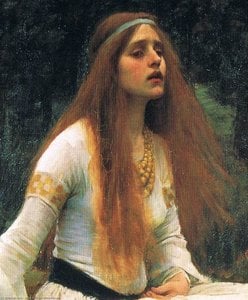
John William Waterhouse's "Cleopatra," painted in 1890, is more than just a depiction of an ancient queen; it’s a meticulously crafted meditation on power, intellect, and the enduring allure of antiquity. This remarkable work, rendered with the characteristic precision and romantic sensibility of the Pre-Raphaelite movement, invites viewers into a moment of profound introspection within the figure of Cleopatra VII Philopator, the last active ruler of the Ptolemaic Kingdom of Egypt. Waterhouse’s skill lies not merely in his technical mastery – evident in the delicate rendering of fabrics, the subtle play of light and shadow, and the remarkably lifelike portrayal of the subject's face – but also in his ability to imbue the scene with a palpable sense of atmosphere and emotional depth.
“Cleopatra” is deeply embedded within a rich tapestry of historical and mythological symbolism. The inclusion of elements such as the diadem – a potent symbol of royalty and divine authority – and the reference to Isis, the Egyptian goddess of magic and motherhood, firmly anchors the painting within Cleopatra’s world. Waterhouse deliberately evokes the grandeur of ancient Egypt while simultaneously presenting a portrait of a woman grappling with the complexities of her position. The book or manuscript in her lap suggests intellectual pursuits, aligning Cleopatra not just as a queen but also as a scholar and strategist – a deliberate subversion of traditional portrayals that often reduced her to a purely seductive figure.
John William Waterhouse (1849-1917) was a pivotal figure in the Pre-Raphaelite movement, known for his evocative depictions of mythology, literature, and historical subjects. Born in Rome to English parents, he spent his early years immersed in the beauty of Italian art and architecture, an experience that profoundly shaped his artistic sensibilities. “Cleopatra” exemplifies Waterhouse’s ability to seamlessly blend classical influences with a distinctly Romantic vision – a desire to capture not just the outward appearance of a subject but also their inner thoughts and emotions. The painting's meticulous detail and evocative atmosphere are hallmarks of Waterhouse’s oeuvre, solidifying his place as one of the Pre-Raphaelites’ most accomplished artists.
“Cleopatra” transcends a simple portrait; it is an exploration of power, vulnerability, and intellectual curiosity. The woman's contemplative expression invites viewers to share in her moment of reflection, prompting questions about leadership, legacy, and the burdens of responsibility. Waterhouse’s masterful technique and profound understanding of symbolism combine to create a work that continues to resonate with audiences today. A hand-painted reproduction of this iconic image offers an unparalleled opportunity to experience the beauty and intellectual depth of one of John William Waterhouse's most celebrated masterpieces.
Il colore dominante di "Cleopatra" di John William Waterhouse è Putty (#d3cecc).
"Cleopatra" è stata creata da John William Waterhouse in stile Pre-Raphaelite Revival. L'artista e il movimento definiscono la tradizione dell'opera.
L'emozione Reflective di "Cleopatra" accompagna il suo stile Pre-Raphaelite Revival.

Le radici di John William Waterhouse affondano nell'atmosfera classica di Roma, dove nacque nel 1849 da genitori inglesi. Suo padre, William, e sua madre, Isabella, erano entrambi pittori, garantendo che il linguaggio dell'arte fosse la sua prima vera eredità. Dopo il battesimo, avvenuto il 6 aprile 1849, i suoi primi anni di vita furono plasmati da questa immersione in un nucleo familiare profondamente creativo. La famiglia si trasferì infine in Inghilterra, stabilendosi nella zona di South Kensington a Londra, una posizione che lo collocò in stretta prossimità delle grandi collezioni d'arte dell'epoca.
La sua formazione ufficiale ebbe inizio nel 1870, quando entrò nelle Royal Academy of Art Schools di Londra. Il suo percorso iniziale non riguardò il medium che avrebbe poi definito la sua intera carriera; al contrario, iniziò i suoi studi come studente di scultura. Questo primo approccio focalizzato sulla forma e sulla struttura tridimensionale fornì le basi fondamentali per la sua successiva transizione verso la pittura. Con il tempo, spostò la sua attenzione verso la tela, abbandonando lo scalpello per sviluppare quell'approccio pittorico che avrebbe caratterizzato la sua vita professionale.
John William Waterhouse lavorava principalmente con l'olio, dando vita a tele che esaltavano una profonda sensibilità romantica. Il suo approccio era caratterizzato da una tecnica meticolosa, che si avvaleva di una conoscenza profonda del simbolismo per trasmettere significati intrinseci. Spesso collocava figure femminili intense e sensuali all'interno di ambientazioni oniriche, creando un'atmosfera che appariva allo stesso tempo introspettiva e distante. Questo senso di distacco veniva raggiunto attraverso un uso specifico del chiaroscuro, capace di definire le forme dei suoi soggetti pur mantenendo una certa qualità eterea.
La tavolozza dell'artista era definita da schemi cromatici vivaci e da un'attenzione particolare alla luminosità della pelle. Frequente era la sua tendenza a rendere le figure con una chiarezza quasi porcellanacea, un dettaglio che contrastava con la pennellata più fluida e sciolta utilizzata per gli sfondi. Questa tensione tra la resa precisa della forma umana e il trattamento più ampio e atmosferico dell'ambiente circostante contribuiva alla qualità sognante delle sue composizioni. La sua capacità di utilizzare i drappeggi per suggerire movimento e peso conferiva una presenza fisica tangibile alle sue figure mitologiche e storiche.
John William Waterhouse trovò i suoi soggetti più duraturi tra le pagine della letteratura classica e romantica. Attingendo con profonda ispirazione alle narrazioni di Omero e Ovidio, l'artista tradusse spesso i miti dell'antica Grecia in studi visivi dedicati alla forma femminile. Le sue tele si concentrarono frequentemente su donne appartenenti a queste mitologie, ritraendole in momenti di profondo spessore psicologico. In queste figure emergeva un senso ricorrente di malinconia e desiderio, una tristezza silenziosa che sembrava definire il suo approccio all'esperienza femminile. Egli non si limitò a illustrare storie; cercò invece di catturare lo stato emotivo interiore dei personaggi che dipingeva.
L'influenza della poesia e del dramma inglese fornì un secondo strato, altrettanto significativo, ai suoi interessi tematici. L'artista si rivolse alle opere di Tennyson e Keats, trovando nei loro versi un paesaggio ideale per la sua sensibilità romantica. Anche le leggende arturiane occuparono un posto centrale nella sua immaginazione, permettendogli di esplorare temi legati alla cavalleria e al romanticismo tragico. Questo interesse letterario si estese fino alle opere di Shakespeare, in cui scorse tensione drammatica e profondità storica. Fondendo queste diverse fonti, John William Waterhouse creò un linguaggio visivo capace di colmare il divario tra l'antichità classica e il romanticismo dell'era vittoriana.
La reputazione dell'artista si consolidò in gran parte grazie alla sua straordinaria capacità di catturare un personaggio nel preciso istante in cui il suo destino compie un punto di svolta. Il suo dipinto del 1888, The Lady of Shalott, rimane il suo contributo più significativo allo stile preraffaellita, traducendo i versi di Tennyson in una narrazione visiva di profonda isolazione. Questa predilezione per i momenti drammatici e letterari proseguì con vigore anche oltre il passaggio del secolo. Nel 1896, l'artista realizzò sia Hylas and the Nymphs che Pandora, opere che si addentravano con forza nel peso psicologico del mito. Questi pezzi presentavano spesso una singola, bellissima figura femminile immersa in uno sfondo onirico, un motivo ricorrente che ha definito il suo periodo di maggior successo.
Con il progredire della sua carriera, i suoi soggetti si concentrarono sempre più sull'intersezione tra mito ed emozione umana. L'anno 1900 vide il completamento di A Mermaid, mentre il 1903 portò sulla tela Echo and Narcissus. Queste opere utilizzavano una pennellata fluida e una gestione specifica della luce per creare un senso di intimità con il soggetto. Persino negli ultimi anni, l'artista mantenne questo focus sulla figura femminile, come si può osservare in The Soul of the Rose nel 1908. La sua capacità di ritrarre la vita interiore di queste figure attraverso espressioni sottili e dettagli simbolici gli assicurò un posto d'onore nella scena artistica vittoriana.
Negli ultimi anni della sua vita, John William Waterhouse si ritrovò attratto nuovamente dalle narrazioni appassionate che avevano un tempo definito i primi preraffaelliti. Questa fascinazione tardiva si manifestò in opere che esploravano i paesaggi emotivi intensi e spesso tragici dei poeti che tanto ammirava. Il suo interesse si spostò verso l'amore profondo e spiritualizzato presente nelle opere di Dante Alighieri, come testimoniato dai suoi studi tardivi sul Decameron di Boccaccio. Anche quando le sue forze fisiche iniziarono a vacillare, il suo pennello continuò a navigare tra le complessità della passione umana e del mito.
La salute dell'artista finì per soccombere al cancro al fegato. John William Waterhouse morì a Londra il 10 febbraio 1917. I suoi ultimi sforzi creativi inclusero diverse grandi tele e schizzi a olio che riflettevano un profondo coinvolgimento con i temi drammatici della sua giovinezza. Fu sepolto nel cimitero di Kensal Green, a Londra.
John William Waterhouse ha occupato una posizione unica nel panorama artistico della fine del XIX secolo, agendo come un vero e proprio ponte tra epoche diverse. Egli è riuscito a trasportare i principi del movimento preraffaellita nel XX secolo, garantendo che la sua sensibilità estetica rimanesse attuale mentre l'era vittoriana lasciava il passo a nuovi e rivoluzionari movimenti artistici. Questa sua straordinaria capacità di adattare tali ideali ha permesso alle sue opere di mantenere una presenza costante e vibrante nel panorama in continua evoluzione della pittura britannica.
La sua ascesa professionale all'interno delle istituzioni artistiche è stata segnata da un riconoscimento costante e prestigioso. Nel 1885 fu nominato Associato della Royal Academy, un distinto traguardo che precedette la sua elezione come Accademico a pieno titolo nel 1895. Tale progressione rifletteva non solo il suo prestigio tra i colleghi, ma anche la sua profonda integrazione nelle strutture formali dell'establishment artistico londinese. Oltre all'attività nel proprio studio, contribuì alla continuità della sua arte attraverso l'insegnamento presso la St. John's Wood Art School, trasmettendo il suo prezioso sapere tecnico a una nuova generazione di pittori.
L'eterna natura dei suoi soggetti continua, ancora oggi, a suscitare un profondo interesse tra collezionisti e storici dell'arte. Il suo focus sulla dimensione psicologica interiore delle figure mitologiche e letterarie rimane un pilastro fondamentale della sua reputazione. Sebbene la sua popolarità abbia subito delle fluttuazioni nel periodo successivo alla Prima Guerra Mondiale, il recente e vigoroso ritorno di interesse verso il suo approccio specifico alla figura femminile e alle ambientazioni storiche ha riaffermato la sua importanza cruciale nello studio dell'arte vittoriana e preraffaellita.
La presenza fisica delle tele di John William Waterhouse può essere rintracciata all'interno di numerosi e prestigiosi musei d'arte e gallerie nel Regno Unito e oltre. A Londra, la Tate Britain custodisce opere che riflettono il suo profondo legame con lo stile preraffaellita. I suoi dipinti fanno parte delle collezioni anche della Manchester Art Gallery e della Walker Art Gallery a Liverpool.
Oltre le Isole Britanniche, il suo raggio d'azione si estende fino alla Art Gallery of South Australia ad Adelaide. Queste diverse istituzioni preservano la testimonianza visiva del suo interesse per la mitologia e la letteratura, mantenendo vive le opere che hanno definito la sua carriera tra la fine del XIX e l'inizio del XX secolo.

1849 - 1917 , Italia

Scopri i capolavori preraffaelliti di Millais e Waterhouse. Esplora la collezione su WahooArt.com.

Esplora i 25 capolavori della Cappella Sistina: dagli affreschi di Michelangelo ai maestri del Rinascimento. Scopri la storia e l'emozione dietro ogni opera e trova ispirazione per il tuo arredamento con le nostre riproduzioni d'arte su WahooArt.com.

Un viaggio emozionante tra i 10 capolavori che celebrano la figura femminile: da Klimt a Degas. Scopri la storia, lo stile e la forza di questi iconici dipinti. Trova riproduzioni d'arte di qualità museale per il tuo arredamento su WahooArt.com. Esplora l'intera collezione online.

Explore the psychological depth of classical portraiture through masters like Rembrandt and Vermeer. Discover the power of the gaze today.
 Anteprima in scala reale
 Invia
Invia Condividi
 Dettagli opera
 Guida
Guida

 Scarica
 Simili
 Radiografia
 Slideshow
 Domande e risposte
 Statistiche

 Espandi i dettagli









 L'opzione vetro è disponibile solo per dimensioni inferiori a 110 cm