Anteprima in scala reale Prova in AR Ordina la riproduzione dipinta a mano Passa all'immagine digitale Condividi
Dettagli Guida Aggiungi ai preferiti Scarica Articoli simili Radiografia Slideshow Statistiche

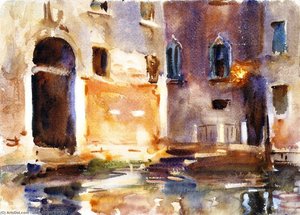
Venice: Bridge with Figures

John Singer Sargent's watercolor captures the vibrant atmosphere of Venice with figures strolling across a bridge, showcasing his signature style and masterful brushwork from the early 20th century. Discover this exquisite reproduction and bring a touch of Venetian charm into your home.

Esplora i capolavori di John Singer Sargent! Impressionista americano noto per ritratti come 'Madame X', paesaggi e per aver catturato l'eleganza dell'Età d'Oro. Scopri la sua arte oggi!

Giclée / Stampe d'arte

Stampa giclée o su tela di qualità museale, con produzione rapida e diverse opzioni di finitura. ( Ordina la riproduzione dipinta a mano Passa all'immagine digitale)

P118B $10
P118H $10
P118W $10
P438Z $10
P508JH $12
P508YH $12
P805H $10
P805Z $10
P919BZ $10
P919G $10
P919XJ $10
P959ZH $10
P968JZ $12
W106C $8
W218G $10
W218JH $8
W218Y $10
W307PJ $10
W316G $10
W316PJ $8
W316Y $10
W398PJ $8
W4111J $10
W500HY $15
W500JH $15
W692G $12
W849H $8
W940BG $15
W953PJ $8

Standard
personalizzato
CM
INCH

Scegli tra le nostre dimensioni predefinite, che rispettano le proporzioni originali dell'opera d'arte.

larghezza
altezza

È possibile inserire dimensioni personalizzate per adattare l'opera a una cornice o a uno spazio specifico. Se la dimensione selezionata non corrisponde alle proporzioni dell'immagine originale, procederemo al ritaglio dell'opera o all'estensione dell'immagine con un bordo specchiato o a tinta unita. Un mockup digitale ti verrà inviato per approvazione prima dell'inizio della produzione.
Si prega di notare che l'anteprima a schermo non riflette il ritaglio o l'estensione effettivi. Solo il mockup mostrerà accuratamente la composizione finale.
Sebbene siano disponibili dimensioni personalizzate, si raccomanda di selezionare una dimensione dall'elenco predefinito per preservare le proporzioni originali.

Consegna in tutto il mondo () in 2 settimane invece delle normali 4/5 settimane. (22 Settembre)

why_choose_icon
Spedizione espressa gratuita in tutto il mondo
why_choose_icon
Tela in lino di alta qualità
why_choose_icon
Assicurazione completa sulla spedizione
why_choose_icon
Garanzia di rimborso dei dazi doganali
why_choose_icon
Garanzia di perfetta fedeltà cromatica
why_choose_icon
Politica di reso entro 100 giorni (solo per difetti di fabbricazione)
why_choose_icon
Garanzia di rimborso al 100%
why_choose_icon
Sconto per acquisti multipli

Prezzo totale

$ 68

reproduction

Venice: Bridge with Figures

Giclée / Stampe d'arte

Dimensioni della riproduzione

-

Prezzo totale

$ 68

Dettagli rapidi

  • Movement: Impressionism
  • Subject or theme: Venetian cityscape
  • Year: 1902
  • Location: Private Collection
  • Artistic style: Realistic, Impressionist
  • Influences: Sargent
  • Notable elements: Bridge, figures, boats

A Moment of Venetian Grace: John Singer Sargent’s “Venice: Bridge with Figures”

John Singer Sargent's "Venice: Bridge with Figures," painted in 1902, is more than a simple depiction of a canal scene; it’s a masterful distillation of atmosphere and social observation, capturing the vibrant pulse of Venice at the turn of the century. The watercolor, executed with Sargent’s signature loose brushwork and luminous palette, transports the viewer directly to the heart of this historic city, inviting us to share in its fleeting beauty. The painting's subject – a bustling bridge teeming with figures – immediately establishes a sense of lively engagement, reflecting the cosmopolitan spirit that defined Venice during this period.

  • Subject Matter: The composition centers around a gracefully arched bridge, a quintessential Venetian element, and the people who traverse it. Sargent’s focus isn't on grand architectural details but rather on the human drama unfolding within the scene – the interactions, gestures, and postures of the individuals that imbue the painting with life.
  • Technique: Sargent was a master of watercolor, employing a technique characterized by rapid, confident strokes and a deliberate avoidance of heavy blending. This approach creates a shimmering effect, particularly noticeable in the reflections on the water and the subtle gradations of color that define the figures’ clothing and skin tones. The loose brushwork contributes to an impressionistic quality, prioritizing feeling over precise representation.

The Gilded Age and the Pursuit of Light

Painted during the height of the Gilded Age, “Venice: Bridge with Figures” reflects Sargent’s deep engagement with the social circles of American wealth and influence. He was a sought-after portraitist for the elite, capturing their elegance and sophistication with remarkable skill. However, this painting transcends mere social documentation; it reveals Sargent's broader artistic ambition – to capture not just appearances but also the ephemeral quality of light and atmosphere. His travels throughout Europe, particularly his time spent in Italy, profoundly shaped his aesthetic sensibilities, leading him to prioritize observation and direct experience over academic training.

  • Historical Context: The early 20th century witnessed a surge in leisure travel and a growing fascination with exotic locales. Venice, with its romantic allure and rich history, was a particularly popular destination for wealthy Americans. Sargent’s painting captures this moment of heightened interest in the city, reflecting both its enduring beauty and its appeal as a symbol of luxury and escape.
  • Sargent's Style: Sargent’s style evolved throughout his career, but he consistently sought to capture fleeting moments of light and emotion with remarkable speed and precision. His work is characterized by a sense of immediacy and spontaneity, reflecting his belief that the artist should be a keen observer of the world around him.

Symbolism and Emotional Resonance

Beyond its technical brilliance, “Venice: Bridge with Figures” possesses a subtle symbolic depth. The bridge itself can be interpreted as a threshold – a transition between spaces, or perhaps, between social classes. The figures interacting on the bridge represent the diverse facets of Venetian society, from wealthy merchants to local residents. The reflections in the water mirror not only the physical environment but also the emotional state of the scene—a sense of quiet contemplation and fleeting beauty. The painting evokes a feeling of nostalgia for a bygone era, a longing for connection, and an appreciation for the simple pleasures of life.

  • Color Palette: Sargent’s use of muted blues, greens, and ochres creates a harmonious and atmospheric effect, typical of his Venetian landscapes. The subtle variations in color contribute to the painting's overall sense of tranquility and beauty.
  • Compositional Elements: The diagonal lines created by the bridge and the boats draw the viewer’s eye through the scene, creating a dynamic composition that enhances the feeling of movement and energy.

A Timeless Masterpiece – Recreated for Your Space

WahooArt offers meticulously crafted hand-painted reproductions of “Venice: Bridge with Figures,” allowing you to bring this iconic artwork into your home or office. Each reproduction is created using the same techniques and materials as Sargent’s original, ensuring an authentic representation of this timeless masterpiece. Whether you are a seasoned art collector or simply seeking to add a touch of elegance and sophistication to your surroundings, our reproductions provide a beautiful and enduring way to experience the beauty and artistry of John Singer Sargent.


Biografia dell'artista

John Singer Sargent: Una Vita nell'Arte

John Singer Sargent (1856-1925) è stato un artista espatriato americano considerato il “principale pittore di ritratti della sua generazione” per la società dell’alta borghesia edoardiana. La sua opera incarna un mix unico di brillantezza tecnica, influenze impressioniste e intuizione psicologica.

Primi Anni e Formazione

Nato il 12 gennaio 1856 a Firenze, in Italia, da genitori americani Fitzwilliam e Mary Newbold Sargent, John Singer Sargent ha vissuto un’infanzia itinerante. I suoi genitori erano espatriati che si spostavano frequentemente tra Francia, Germania, Italia e Svizzera. Questo stile di vita ha favorito una vasta consapevolezza culturale, ma ha significato un'educazione meno convenzionale. Invece di una scuola formale, l'istruzione del giovane Sargent è stata incentrata sulla visita a musei e chiese in tutta Europa.

Nel 1874, Sargent iniziò a studiare con il pittore francese di ritratti Carolus-Duran a Parigi. Questa guida si è rivelata fondamentale. Duran ha enfatizzato la pittura diretta – una tecnica di applicazione del colore senza schizzi preliminari – che ha affinato la sua straordinaria abilità tecnica e la sua capacità di catturare le somiglianze con sorprendente velocità e accuratezza.

Carriera Artistica e Stile

La produzione artistica di Sargent può essere ampiamente divisa in due categorie: ritratti commissionati e studi informali. I suoi ritratti formali, spesso raffiguranti le figure ricche e influenti del suo tempo, aderivano alla tradizione del “grande stile” – enfatizzando l'eleganza, lo status e la profondità psicologica.

Tuttavia, Sargent ha anche perseguito uno stile più personale nei suoi paesaggi e studi en plein air. Questi lavori dimostrano una chiara affinità con l’impressionismo, caratterizzato da pennellate libere, vivaci tavolozze di colori e un'enfasi sulla cattura di momenti fugaci di luce e atmosfera.

Opere Principali e Realizzazioni

  • Madame X (1884): Forse l’opera più famosa di Sargent, questo ritratto ha causato scandalo per la sua audace rappresentazione della socialite Virginie Amélie Avegno Gautreau.
  • El Jaleo (1882): Una scena dinamica e colorata che cattura una danza flamenco spagnola, mostrando la maestria di Sargent nel movimento e nella luce.
  • Carnation, Lily, Lily, Rose (1886): Un dipinto sereno ed evocativo che raffigura due giovani ragazze che accendono lanterne in un giardino inglese.
  • A Dinner Table at Night (1882-83): Una composizione innovativa che cattura l'atmosfera intima di una festa da cena utilizzando la luce artificiale.

Influenze

Sargent è stato influenzato da una vasta gamma di artisti e movimenti:

  • Carolus-Duran: Il suo insegnante, che gli ha instillato una tecnica di pittura diretta.
  • Diego Velázquez: Sargent ammirava l'uso magistrale della luce e delle pennellate di Velázquez.
  • Impressionismo: L’enfasi degli impressionisti sulla cattura di momenti fugaci e di effetti atmosferici ha avuto un profondo impatto sui suoi dipinti paesaggistici.

Significato Storico e Eredità

Inizialmente, Sargent è stato criticato per il suo approccio non convenzionale alla pittura di ritratti e per la sua volontà di sfidare le norme artistiche tradizionali. Tuttavia, all'inizio del XX secolo, si era affermato come uno degli artisti principali del suo tempo.

Negli anni ’80, c’è stata una rivalutazione significativa dell’opera di Sargent, in particolare dei suoi nudi maschili precedentemente trascurati. Questa riscoperta ha rivelato un artista più complesso e sfaccettato di quanto si pensasse in precedenza. Oggi, John Singer Sargent è celebrato per la sua virtuosismo tecnico, la sua capacità di catturare lo spirito del suo tempo e il suo contributo duraturo all’arte americana.

I suoi dipinti offrono una finestra affascinante sulla lussuria e sulle dinamiche sociali dell'epoca edoardiana, riflettendo al contempo la sua visione artistica personale. La sua opera continua a ispirare artisti e a catturare il pubblico di tutto il mondo.

John Singer Sargent

John Singer Sargent

1856 - 1925 , Italia

Informazioni rapide

  • Artisti Influenti:
    • Carolus-Duran
    • Diego Velázquez
  • Data Di Morte: 1925
  • Data Di Nascita: 12 gennaio 1856
  • Luogo Di Nascita: Firenze, Italia
  • Movimento Artistico: Impressionismo
  • Nazionalità: Americano
  • Nome Completo: John Singer Sargent
  • Opere Notevoli:
    • Madame X
    • El Jaleo
    • Carnation, Lily, Lily, Rose
Esplora le opere d'arte organizzate per temi, stili e caratteristiche.