Anteprima in scala reale Prova in AR Ordina la riproduzione dipinta a mano Passa all'immagine digitale Condividi
Dettagli Guida stampabile Aggiungi ai preferiti Scarica Articoli simili Radiografia Slideshow Statistiche

Olive Trees

John Singer Sargent’s ‘Olive Trees’ captures a serene forest scene with healthy trees and two figures, showcasing the artist's masterful brushwork and evocative style from the late 19th century. Discover this beautiful painting and bring art home.

Esplora i capolavori di John Singer Sargent! Impressionista americano noto per ritratti come 'Madame X', paesaggi e per aver catturato l'eleganza dell'Età d'Oro. Scopri la sua arte oggi!

Giclée / Stampe d'arte

Stampa giclée o su tela di qualità museale, con produzione rapida e diverse opzioni di finitura. ( Ordina la riproduzione dipinta a mano Passa all'immagine digitale)

Corner sample of the P118B picture frame: polistirene stampato, 5 cm wide and 3 cm thick
P118B €10
Corner sample of the P118H picture frame: polistirene stampato, 5 cm wide and 3 cm thick
P118H €10
Corner sample of the P118W picture frame: polistirene stampato, 5 cm wide and 3 cm thick
P118W €10
Corner sample of the P438Z picture frame: polistirene stampato, 5.5 cm wide and 3.5 cm thick
P438Z €10
Corner sample of the P508JH picture frame: polistirene stampato, 7 cm wide and 3.5 cm thick
P508JH €12
Corner sample of the P508YH picture frame: polistirene stampato, 7 cm wide and 3.5 cm thick
P508YH €12
Corner sample of the P805H picture frame: polistirene stampato, 5 cm wide and 3.5 cm thick
P805H €10
Corner sample of the P805Z picture frame: polistirene stampato, 5 cm wide and 3.5 cm thick
P805Z €10
Corner sample of the P919BZ picture frame: polistirene stampato, 7 cm wide and 3.5 cm thick
P919BZ €10
Corner sample of the P919G picture frame: polistirene stampato, 7 cm wide and 3.5 cm thick
P919G €10
Corner sample of the P919XJ picture frame: polistirene stampato, 7 cm wide and 3.5 cm thick
P919XJ €10
Corner sample of the P959ZH picture frame: polistirene stampato, 5 cm wide and 3 cm thick
P959ZH €10
Corner sample of the P968JZ picture frame: polistirene stampato, 6 cm wide and 4 cm thick
P968JZ €12
Corner sample of the W106C picture frame: legno massello, 5 cm wide and 3 cm thick
W106C €8
Corner sample of the W218G picture frame: legno massello, 5 cm wide and 3 cm thick
W218G €10
Corner sample of the W218JH picture frame: legno massello, 5 cm wide and 3 cm thick
W218JH €8
Corner sample of the W218Y picture frame: legno massello, 5 cm wide and 3 cm thick
W218Y €10
Corner sample of the W307PJ picture frame: legno massello, 6 cm wide and 3 cm thick
W307PJ €10
Corner sample of the W316G picture frame: legno massello, 6 cm wide and 3 cm thick
W316G €10
Corner sample of the W316PJ picture frame: legno massello, 6 cm wide and 3 cm thick
W316PJ €8
Corner sample of the W316Y picture frame: legno massello, 6 cm wide and 3 cm thick
W316Y €10
Corner sample of the W398PJ picture frame: legno massello, 5 cm wide and 3 cm thick
W398PJ €8
Corner sample of the W4111J picture frame: legno massello, 6.5 cm wide and 3.5 cm thick
W4111J €10
Corner sample of the W500HY picture frame: legno massello, 7 cm wide and 5 cm thick
W500HY €15
Corner sample of the W500JH picture frame: legno massello, 7 cm wide and 5 cm thick
W500JH €15
Corner sample of the W692G picture frame: legno massello, 8 cm wide and 4 cm thick
W692G €12
Corner sample of the W849H picture frame: legno massello, 5 cm wide and 3 cm thick
W849H €8
Corner sample of the W940BG picture frame: legno massello, 7.5 cm wide and 4.5 cm thick
W940BG €15
Corner sample of the W953PJ picture frame: legno massello, 6 cm wide and 3.5 cm thick
W953PJ €8

Standard
personalizzato
CM
INCH

Scegli tra le nostre dimensioni predefinite, che rispettano le proporzioni originali dell'opera d'arte.

larghezza
altezza

Inserisci la larghezza e l'altezza desiderate, per adattarle alla tua cornice o alla tua parete. Una stampa può essere solo ritagliata, mai resa più grande dell'immagine originale; pertanto, un formato con una forma differente comporterà la perdita di una parte dell'opera. Ti invieremo un mockup digitale da approvare prima di procedere con la stampa. L'immagine mostrata in questa pagina non rappresenta il ritaglio reale — solo il mockup lo mostra.

Consegna in tutto il mondo () in 2 settimane invece delle normali 4/5 settimane. (24 Ottobre)

Spedizione espressa gratuita in tutto il mondo
Tela in lino di alta qualità
Assicurazione completa sulla spedizione
Garanzia di rimborso dei dazi doganali
Garanzia di perfetta fedeltà cromatica
Politica di reso entro 100 giorni (solo per difetti di fabbricazione)
Garanzia di rimborso al 100%
Sconto per acquisti multipli

Prezzo totale

€ 60

Olive Trees

Giclée / Stampe d'arte

Dimensioni della riproduzione

-

Prezzo totale

€ 60

Dettagli rapidi

  • Subject or theme: Landscape, trees
  • Title: Olive Trees
  • Notable elements: 2 figures, forest scene
  • Influences: European art

A Moment of Serenity: John Singer Sargent’s ‘Olive Trees’

John Singer Sargent's 'Olive Trees,' painted in 1878, offers more than just a picturesque scene; it’s a carefully constructed meditation on light, form, and the quiet dignity of nature. This evocative work captures a grove of olive trees – a subject that resonated deeply with the artist throughout his career – transporting the viewer to a place of profound stillness and contemplation. The painting's strength lies not just in its technical execution but also in its ability to evoke a powerful emotional response, inviting us to share in the serenity of this timeless landscape.

The Artist’s Vision: Sargent and the Landscape

Sargent’s early exposure to European art, particularly through his travels with his family across Italy and France, profoundly shaped his artistic sensibilities. He was deeply influenced by the Impressionists' focus on capturing fleeting moments of light and atmosphere, a technique he masterfully employed in ‘Olive Trees.’ Unlike purely representational works, Sargent sought to convey not just what he *saw*, but also how he *felt* about what he saw – a characteristic that defines his distinctive style. The loose brushwork and vibrant color palette contribute significantly to the painting’s luminous quality, creating an almost palpable sense of warmth and vitality.

  • Technique: Sargent utilized a broken colour technique, applying paint in small, separate strokes to build up layers of tone and create shimmering effects.
  • Composition: The carefully arranged trees draw the eye into the depths of the grove, while the inclusion of two figures subtly introduces a human element, grounding the scene and providing a sense of scale.

Symbolism and Context: Olive Trees in Art History

The olive tree itself carries significant symbolic weight across cultures and throughout history. Often associated with peace, wisdom, and longevity, it represents enduring values and the passage of time. In ancient Greece and Rome, olive trees were central to religious ceremonies and philosophical discourse. Sargent’s choice of subject matter reflects this rich tradition, suggesting a deeper contemplation beyond mere landscape depiction. The presence of figures within the grove further amplifies this symbolism, hinting at human connection with nature and the pursuit of enlightenment.

A Gilded Age Masterpiece: Style and Influence

'Olive Trees' exemplifies Sargent’s mastery of plein air painting – working directly from nature. This approach was particularly popular during the late 19th century, fueled by advancements in paint technology and a desire to capture the immediacy of natural light. The painting’s influence can be seen in subsequent landscape works by artists who sought to emulate Sargent's ability to convey atmosphere and emotion through color and brushwork. It stands as a testament to Sargent’s enduring legacy as one of the most celebrated portraitists and landscape painters of his era.

Bringing ‘Olive Trees’ into Your Space

A hand-painted reproduction of John Singer Sargent's 'Olive Trees' offers a unique opportunity to bring this timeless masterpiece into your home or office. WahooArt.com provides meticulously crafted reproductions that faithfully capture the original painting’s beauty and detail, allowing you to enjoy its evocative power for years to come. Whether adorning a study, living room, or gallery space, this artwork will undoubtedly become a focal point, inspiring contemplation and adding an element of sophisticated elegance.

Domande e risposte

Quanto è conosciuta "Olive Trees" di John Singer Sargent?

"Olive Trees" di John Singer Sargent ha un livello di popolarità Recognized. Questa classificazione riflette l'ampiezza della notorietà dell'opera.

Quanti anni aveva John Singer Sargent quando è stata creata "Olive Trees"?

Quando "Olive Trees" fu creata nel 1878, John Singer Sargent - nato nel 1856 - aveva 22 anni.

Quale posto occupa "Olive Trees" tra i soggetti ricorrenti di John Singer Sargent?

Tra i temi ricorrenti di John Singer Sargent - european artistic traditions, gilded age society, light, atmosphere, observation, portraiture, landscape fusion, sargent’s evolving style - "Olive Trees" pone un particolare accento su olive trees, forest scene, john singer sargent, landscape painting, figure composition, late 19th century, outdoor setting.


Biografia dell'artista

John Singer Sargent: Una Vita nell'Arte

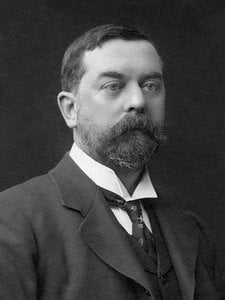
John Singer Sargent (1856-1925) è stato un artista espatriato americano considerato il “principale pittore di ritratti della sua generazione” per la società dell’alta borghesia edoardiana. La sua opera incarna un mix unico di brillantezza tecnica, influenze impressioniste e intuizione psicologica.

Primi Anni e Formazione

Nato il 12 gennaio 1856 a Firenze, in Italia, da genitori americani Fitzwilliam e Mary Newbold Sargent, John Singer Sargent ha vissuto un’infanzia itinerante. I suoi genitori erano espatriati che si spostavano frequentemente tra Francia, Germania, Italia e Svizzera. Questo stile di vita ha favorito una vasta consapevolezza culturale, ma ha significato un'educazione meno convenzionale. Invece di una scuola formale, l'istruzione del giovane Sargent è stata incentrata sulla visita a musei e chiese in tutta Europa.

Nel 1874, Sargent iniziò a studiare con il pittore francese di ritratti Carolus-Duran a Parigi. Questa guida si è rivelata fondamentale. Duran ha enfatizzato la pittura diretta – una tecnica di applicazione del colore senza schizzi preliminari – che ha affinato la sua straordinaria abilità tecnica e la sua capacità di catturare le somiglianze con sorprendente velocità e accuratezza.

Carriera Artistica e Stile

La produzione artistica di Sargent può essere ampiamente divisa in due categorie: ritratti commissionati e studi informali. I suoi ritratti formali, spesso raffiguranti le figure ricche e influenti del suo tempo, aderivano alla tradizione del “grande stile” – enfatizzando l'eleganza, lo status e la profondità psicologica.

Tuttavia, Sargent ha anche perseguito uno stile più personale nei suoi paesaggi e studi en plein air. Questi lavori dimostrano una chiara affinità con l’impressionismo, caratterizzato da pennellate libere, vivaci tavolozze di colori e un'enfasi sulla cattura di momenti fugaci di luce e atmosfera.

Opere Principali e Realizzazioni

  • Madame X (1884): Forse l’opera più famosa di Sargent, questo ritratto ha causato scandalo per la sua audace rappresentazione della socialite Virginie Amélie Avegno Gautreau.
  • El Jaleo (1882): Una scena dinamica e colorata che cattura una danza flamenco spagnola, mostrando la maestria di Sargent nel movimento e nella luce.
  • Carnation, Lily, Lily, Rose (1886): Un dipinto sereno ed evocativo che raffigura due giovani ragazze che accendono lanterne in un giardino inglese.
  • A Dinner Table at Night (1882-83): Una composizione innovativa che cattura l'atmosfera intima di una festa da cena utilizzando la luce artificiale.

Influenze

Sargent è stato influenzato da una vasta gamma di artisti e movimenti:

  • Carolus-Duran: Il suo insegnante, che gli ha instillato una tecnica di pittura diretta.
  • Diego Velázquez: Sargent ammirava l'uso magistrale della luce e delle pennellate di Velázquez.
  • Impressionismo: L’enfasi degli impressionisti sulla cattura di momenti fugaci e di effetti atmosferici ha avuto un profondo impatto sui suoi dipinti paesaggistici.

Significato Storico e Eredità

Inizialmente, Sargent è stato criticato per il suo approccio non convenzionale alla pittura di ritratti e per la sua volontà di sfidare le norme artistiche tradizionali. Tuttavia, all'inizio del XX secolo, si era affermato come uno degli artisti principali del suo tempo.

Negli anni ’80, c’è stata una rivalutazione significativa dell’opera di Sargent, in particolare dei suoi nudi maschili precedentemente trascurati. Questa riscoperta ha rivelato un artista più complesso e sfaccettato di quanto si pensasse in precedenza. Oggi, John Singer Sargent è celebrato per la sua virtuosismo tecnico, la sua capacità di catturare lo spirito del suo tempo e il suo contributo duraturo all’arte americana.

I suoi dipinti offrono una finestra affascinante sulla lussuria e sulle dinamiche sociali dell'epoca edoardiana, riflettendo al contempo la sua visione artistica personale. La sua opera continua a ispirare artisti e a catturare il pubblico di tutto il mondo.

John Singer Sargent

John Singer Sargent

1856 - 1925 , Italia

Informazioni rapide

  • Artisti Influenti:
    • Carolus-Duran
    • Diego Velázquez
  • Data Di Morte: 1925
  • Data Di Nascita: 12 gennaio 1856
  • Luogo Di Nascita: Firenze, Italia
  • Movimento Artistico: Impressionismo
  • Nazionalità: Americano
  • Nome Completo: John Singer Sargent
  • Opere Notevoli:
    • Madame X
    • El Jaleo
    • Carnation, Lily, Lily, Rose
Esplora le opere d'arte organizzate per temi, stili e caratteristiche.