


Olio su tela dipinto a mano nelle tue dimensioni e con la tua cornice, realizzato su ordinazione dai nostri artisti. ( Acquista stampa Acquista immagine)





























Scegli tra le nostre dimensioni predefinite, che rispettano le proporzioni originali dell'opera d'arte.

È possibile inserire dimensioni personalizzate per adattare l'opera a una cornice o a uno spazio specifico. Se la dimensione selezionata non corrisponde alle proporzioni dell'immagine originale, provvederemo a ritagliare l'opera o a estendere il dipinto con elementi aggiuntivi dipinti a mano. Un mockup digitale ti sarà inviato per approvazione prima dell'inizio della produzione.
Si prega di notare che l'anteprima a schermo non riflette il ritaglio o l'estensione effettivi. Solo il mockup mostrerà accuratamente la composizione finale.
Sebbene siano disponibili dimensioni personalizzate, consigliamo di selezionare una dimensione dall'elenco predefinito per preservare le proporzioni originali.
Consegna in tutto il mondo () in 3/4 settimane anziché nelle normali 5 settimane. (7 Settembre). Nessun compromesso sulla qualità.


dolce far niente
Dimensioni riproduzione
In the gentle embrace of John Singer Sargent’s Dolce Far Niente, we are invited to step into a world where time slows to the rhythm of lapping water and sun-drenched afternoons. The title itself, an Italian phrase translating to "the sweetness of doing nothing," serves as the heartbeat of this Impressionist masterpiece. The painting captures a group of figures lounging gracefully upon weathered rocks by a tranquil body of water, perhaps a secluded river or a quiet lake. There is no frantic movement here; instead, there is a profound sense of stillness and social ease. Sargent masterfully depicts a moment of pure, unadulterated leisure, where the boundaries between humanity and the natural world seem to dissolve under the warmth of a summer sun.
The composition draws the viewer into an intimate, asymmetrical arrangement that feels both spontaneous and carefully balanced. As your eye wanders across the canvas, it is led from the central cluster of figures toward the expansive, shimmering horizon of the water. The perspective is intentionally shallow, a hallmark of plein air painting, which brings the viewer physically closer to the scene, as if we are sitting on the very bank of the river ourselves. This closeness fosters an emotional connection, transforming the artwork from a mere observation into a shared experience of peace and nostalgia.
Technically, Dolce Far Niente is a triumph of light and atmosphere. Influenced by the revolutionary techniques of masters like Monet and Renoir, Sargent employs a loose, expressive style that prioritizes the sensation of light over rigid anatomical precision. The artist utilizes broken brushstrokes and small dabs of oil paint to recreate the flickering quality of sunlight as it dances across the water’s surface and catches the folds of the figures' clothing. This technique creates a sense of movement and vitality, preventing the stillness of the subject matter from feeling stagnant.
The color palette is a sophisticated interplay of warmth and coolness. Bright, golden highlights illuminate the skin of the subjects and the sun-baked rocks, while subtle, cooler tones in the distant water provide a sense of depth and atmospheric perspective. Through the careful layering of thin glazes, Sargent achieves a luminous quality that makes the canvas appear to glow from within. For the discerning collector or interior designer, this interplay of light offers a versatile aesthetic; the painting can serve as a serene focal point in a sunlit room or add a layer of classical elegance and warmth to a more contemporary, muted space.
Beyond its technical brilliance, the painting carries a deep symbolic resonance. It evokes a nostalgic longing for a simpler era—a time before the frenetic pace of modern life, where the beauty of the natural world was the primary source of rejuvenation. The figures, lost in their own quiet thoughts or gentle conversation, represent an idealized state of being: one of harmony and contentment. This theme of tranquility makes the piece particularly captivating for those seeking to introduce a sense of calm into their living environments.
For anyone looking to acquire a high-quality reproduction of this work, Dolce Far Niente offers more than just decoration; it offers an atmosphere. It is a window into a summer afternoon that never ends, a piece of art that breathes life and light into any collection. Whether displayed in a grand gallery setting or as a soulful addition to a private study, Sargent’s vision remains a timeless testament to the beauty found in the quietest moments of life.

John Singer Sargent (1856-1925) è stato un artista espatriato americano considerato il “principale pittore di ritratti della sua generazione” per la società dell’alta borghesia edoardiana. La sua opera incarna un mix unico di brillantezza tecnica, influenze impressioniste e intuizione psicologica.
Nato il 12 gennaio 1856 a Firenze, in Italia, da genitori americani Fitzwilliam e Mary Newbold Sargent, John Singer Sargent ha vissuto un’infanzia itinerante. I suoi genitori erano espatriati che si spostavano frequentemente tra Francia, Germania, Italia e Svizzera. Questo stile di vita ha favorito una vasta consapevolezza culturale, ma ha significato un'educazione meno convenzionale. Invece di una scuola formale, l'istruzione del giovane Sargent è stata incentrata sulla visita a musei e chiese in tutta Europa.
Nel 1874, Sargent iniziò a studiare con il pittore francese di ritratti Carolus-Duran a Parigi. Questa guida si è rivelata fondamentale. Duran ha enfatizzato la pittura diretta – una tecnica di applicazione del colore senza schizzi preliminari – che ha affinato la sua straordinaria abilità tecnica e la sua capacità di catturare le somiglianze con sorprendente velocità e accuratezza.
La produzione artistica di Sargent può essere ampiamente divisa in due categorie: ritratti commissionati e studi informali. I suoi ritratti formali, spesso raffiguranti le figure ricche e influenti del suo tempo, aderivano alla tradizione del “grande stile” – enfatizzando l'eleganza, lo status e la profondità psicologica.
Tuttavia, Sargent ha anche perseguito uno stile più personale nei suoi paesaggi e studi en plein air. Questi lavori dimostrano una chiara affinità con l’impressionismo, caratterizzato da pennellate libere, vivaci tavolozze di colori e un'enfasi sulla cattura di momenti fugaci di luce e atmosfera.
Sargent è stato influenzato da una vasta gamma di artisti e movimenti:
Inizialmente, Sargent è stato criticato per il suo approccio non convenzionale alla pittura di ritratti e per la sua volontà di sfidare le norme artistiche tradizionali. Tuttavia, all'inizio del XX secolo, si era affermato come uno degli artisti principali del suo tempo.
Negli anni ’80, c’è stata una rivalutazione significativa dell’opera di Sargent, in particolare dei suoi nudi maschili precedentemente trascurati. Questa riscoperta ha rivelato un artista più complesso e sfaccettato di quanto si pensasse in precedenza. Oggi, John Singer Sargent è celebrato per la sua virtuosismo tecnico, la sua capacità di catturare lo spirito del suo tempo e il suo contributo duraturo all’arte americana.
I suoi dipinti offrono una finestra affascinante sulla lussuria e sulle dinamiche sociali dell'epoca edoardiana, riflettendo al contempo la sua visione artistica personale. La sua opera continua a ispirare artisti e a catturare il pubblico di tutto il mondo.
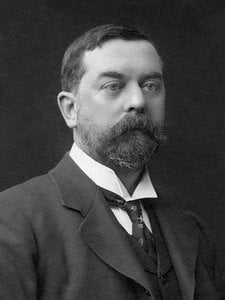
1856 - 1925 , Italia

Discover the breathtaking elegance of John Singer Sargent's masterpieces. From iconic Gilded Age portraits to impressionistic landscapes, explore the technical brilliance and timeless allure of this American master through our premium, hand-painted fine art reproductions.
Discover the luminous mastery of John Singer Sargent. Explore an expert analysis of his legendary light, Gilded Age elegance, and technical brilliance, perfect for fine art enthusiasts seeking to bring timeless classical beauty into their modern collections.

 Anteprima in scala reale
 Invia
Invia Condividi
 Dettagli opera

 Scarica immagine
 Simili
 Radiografia
 Slideshow

 Espandi i dettagli







 L'opzione vetro è disponibile solo per dimensioni inferiori a 110 cm


