CONSULENZA D'ARTE GRATUITA

x
Ordina la riproduzione Ordina la riproduzioneAcquista download Acquista download InviaInvia
DettagliDettagli Aggiungi ai preferiti Aggiungi ai preferiti ScaricaScarica SimiliSimili RadiografiaRadiografia SlideshowSlideshow

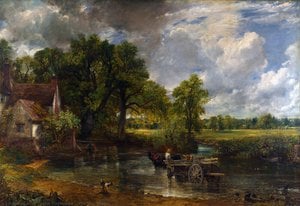
Wheat Field

John Constable (1776-1837) revolutionized landscape painting with his emotive depictions of Dedham Vale, influenced by Claude Lorrain and fueled by his father’s estate. Known for paintings like ‘Wivenhoe Park,’ ‘The Plough,’ and ‘Hay Wain,’ he achieved fame despite financial struggles, becoming a Royal Academician and inspiring the Barbizon school.

Scopri John Constable (1776-1837), un pittore paesaggista britannico rinomato per la sua profondità emotiva e la sua bellezza naturale. Influente nella Scuola di Barbizon, ha anticipato il Romanticismo con opere iconiche come 'Netley Abbey'. Esplora il suo lascito su WahooArt!

Giclée / Stampa d'arte

Stampa giclée o su tela di qualità museale, con produzione rapida e diverse opzioni di finitura.

P118B $10
P118H $10
P118W $10
P438Z $10
P508JH $12
P508YH $12
P805H $10
P805Z $10
P919BZ $10
P919G $10
P919XJ $10
P959ZH $10
P968JZ $12
W106C $8
W218G $10
W218JH $8
W218Y $10
W307PJ $10
W316G $10
W316PJ $8
W316Y $10
W398PJ $8
W4111J $10
W500HY $15
W500JH $15
W692G $12
W849H $8
W940BG $15
W953PJ $8

Standard
custom
CM
INCH

Scegli tra le nostre dimensioni predefinite, che rispettano le proporzioni originali dell'opera d'arte.

larghezza
altezza

È possibile inserire dimensioni personalizzate per adattare l'opera a una cornice o a uno spazio specifico. Se la dimensione selezionata non corrisponde alle proporzioni dell'immagine originale, procederemo al ritaglio dell'opera o all'estensione dell'immagine con un bordo specchiato o a tinta unita. Un mockup digitale ti verrà inviato per approvazione prima dell'inizio della produzione.
Si prega di notare che l'anteprima a schermo non riflette il ritaglio o l'estensione effettivi. Solo il mockup mostrerà accuratamente la composizione finale.
Sebbene siano disponibili dimensioni personalizzate, si raccomanda di selezionare una dimensione dall'elenco predefinito per preservare le proporzioni originali.

Consegna in tutto il mondo () in 2 settimane invece delle normali 4/5 settimane. (2 Luglio)

why_choose_icon
Spedizione espressa gratuita in tutto il mondo

why_choose_icon
Tela in lino di alta qualità
why_choose_icon
Assicurazione completa sulla spedizione
why_choose_icon
Garanzia di rimborso dei dazi doganali
why_choose_icon
Garanzia di fedeltà cromatica
why_choose_icon
Politica di reso entro 60 giorni (solo per difetti)
why_choose_icon
Garanzia di rimborso al 100%
why_choose_icon
Sconto per acquisti multipli

Prezzo totale

-

reproduction

Wheat Field

Giclée / Stampa d'arte

Dimensioni riproduzione

-

Prezzo totale finale

-

Informazioni rapide

  • Movement: Romanticism
  • Influences: Claude Lorrain
  • Artist: John Constable
  • Notable elements or techniques: Atmospheric perspective; Detailed depiction of rural landscape.
  • Title: Wheat Field
  • Artistic style: Emotional realism; Emphasis on capturing the beauty and tranquility of nature.

Quiz d'arte

Per ogni domanda è presente una sola risposta corretta.

Domanda 1:
What is the primary subject matter of John Constable’s painting "Wheat Field"?
Domanda 2:
Which artistic movement is John Constable associated with?
Domanda 3:
The painting showcases a significant element of Constable’s artistic philosophy. What does he express about his approach to painting?
Domanda 4:
Where is "Wheat Field" currently housed?
Domanda 5:
What inspired Constable's fascination with landscapes and his desire to portray them authentically?

Descrizione dell'opera

Wheat Field – A Symphony of Light and Labor

The painting “Wheat Field,” attributed to John Constable (1816), transcends mere depiction; it’s an immersive experience of the English countryside captured with unparalleled sensitivity and detail. More than just a landscape, it embodies Constable's profound connection to his surroundings—a connection rooted in his upbringing amidst the fertile Vale of Dedham, where his father owned substantial farmland along the River Stour. This formative influence profoundly shaped Constable’s artistic vision, propelling him toward a style characterized by luminous color palettes and an almost palpable sense of atmosphere.
  • Subject Matter: The scene portrays a quintessential rural tableau – a wheat field bathed in the golden light of late afternoon. Scattered figures engaged in harvesting activities—farmers diligently cutting down stalks and bundling grain—are interwoven seamlessly into the landscape, creating a harmonious blend of human endeavor and natural beauty.
  • Style & Technique: Constable’s approach aligns perfectly with Romantic ideals, prioritizing emotional expression over strict academic conventions. He employed loose brushstrokes and subtle gradations of color to convey the dynamism of the field and the ephemeral quality of light—a technique that distinguishes his work from earlier landscape traditions. The artist meticulously observed the effects of weather conditions on the wheat crop, capturing nuances of shade and illumination with remarkable accuracy.
  • Historical Context: Painted during Constable’s “Established Londoner” phase (1817-1828), "Wheat Field" reflects the broader Romantic movement's fascination with sublime landscapes and its desire to portray nature as both awe-inspiring and emotionally resonant. It stands alongside other iconic works of the era, demonstrating a shared commitment to capturing the spirit of the British countryside during a period of significant social and intellectual change.
  • Symbolism: Beyond its visual splendor, “Wheat Field” carries symbolic weight. The wheat itself represents prosperity, fertility, and sustenance—themes central to rural life and English identity. The figures engaged in labor symbolize resilience, hard work, and the enduring connection between humanity and the natural world. Constable’s deliberate composition aims to evoke feelings of tranquility, contemplation, and appreciation for the simple pleasures of existence.
  • Emotional Impact: Viewing “Wheat Field” evokes a powerful sense of nostalgia for a bygone era—a time when rural communities thrived on agricultural labor and when nature held dominion over human activity. Constable’s masterful rendering captures not only the visual beauty of the landscape but also its emotional depth, inviting viewers to contemplate the sublime grandeur of the natural world and the profound influence it exerts upon the human spirit.

Notable Reproduction Considerations

For those seeking a museum-quality representation of Constable’s masterpiece, WahooArt offers exceptional reproductions crafted by skilled European artists utilizing archival pigments on linen canvas—a process meticulously designed to faithfully reproduce the original artwork's luminosity and textural richness. Consider framing options that complement the painting's serene palette and enhance its visual impact within your interior design scheme.

Biografia dell'artista

**primi anni di vita e difficoltà**

john constable, un artista britannico rinomato, nacque il 23 giugno 1776 a East Bergholt, Suffolk. I suoi primi anni furono segnati da un profondo legame con la natura, che sarebbe poi diventata la cifra distintiva del suo stile artistico. Nonostante abbia affrontato numerose sfide nel mercato dell'arte inglese, l'incrollabile dedizione alla sua arte ha aperto la strada a un'eredità che va ben oltre il suo tempo.

**stile artistico e influenza**

L'approccio distintivo di constable alla pittura paesaggistica, caratterizzato dall'enfasi sulla bellezza naturale e sulla profondità emotiva, ha segnato uno spostamento significativo nel genere. La sua influenza è stata particolarmente profonda in Francia, dove ha svolto un ruolo chiave nella formazione della scuola di Barbizon dei pittori. Questa scuola, nota per il suo focus sul realismo e sulla natura, ha tratto ispirazione diretta dalle tecniche e dai temi di constable.
  • netley abbey (olio su tela), una testimonianza della sua abilità nel catturare l'essenza dei paesaggi naturali.
  • the judges walk, hampstead (romanticismo, olio), che mostra la sua capacità di infondere tocchi personali nel suo lavoro.
  • a view on the stour near dedham (129 x 188 cm, romanticismo, olio su tela), un esempio primario della sua influenza sul genere del paesaggio.

**eredità e ricordo**

Oggi, john constable è ricordato non solo come pittore di paesaggi ma anche come pioniere che ha aperto nuove possibilità per l'espressione emotiva nell'arte. Il suo impatto profondo sul corso della pittura del paesaggio nel XIX secolo e oltre è innegabile. punti chiave:** * influente nello sviluppo della scuola di Barbizon in Francia * ha pionierato un nuovo approccio alla pittura del paesaggio, concentrandosi sulla bellezza naturale e sulla profondità emotiva * ha lottato per il riconoscimento nel mercato dell'arte inglese durante la sua vita

**conclusione**

L'eredità di john constable è una testimonianza del potere trasformativo dell'arte. La sua influenza sulla pittura del paesaggio, sia nel suo tempo che al di là, serve da promemoria dell'impatto profondo che un singolo artista può avere sul mondo.
John Constable

John Constable

1776 - 1837 , Regno Unito

Dati rapidi

  • Artisti Influenti:
    • Claude Lorrain
    • Jacob van Ruisdael
  • Artisti Influenzati: ['Scuola di Barbizon']
  • Data Di Nascita: 23 giugno 1776
  • Luogo Di Nascita: East Bergholt, Regno Unito
  • Movimento Artistico: Romanticismo
  • Nazionalità: Britannico
  • Nome Completo: John Constable
  • Opere Notevoli:
    • Netley Abbey
    • The Hay Wain
    • Salisbury Cathedral
Esplora opere d'arte organizzate per temi, stili e caratteristiche.