CONSULENZA D'ARTE GRATUITA

x
Acquista stampa Acquista stampaAcquista download Acquista download InviaInvia
DetailsDetails Aggiungi ai preferiti Aggiungi ai preferiti ScaricaScarica SimiliSimili X-RayX-Ray SlideshowSlideshow

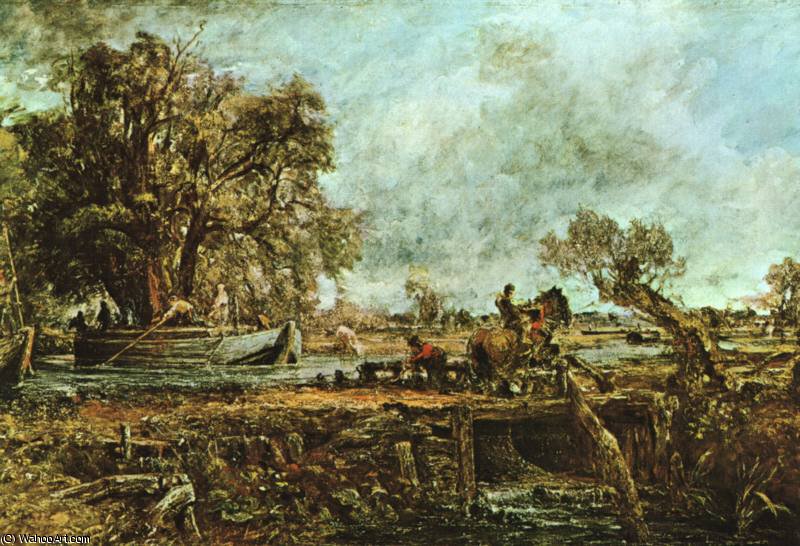
leaping horse

Witness the vibrant energy of John Constable’s "Leaping Horse" (1825)! This Romantic landscape captures a lively scene with horses and people, showcasing his signature loose brushwork & atmospheric depth. Explore this iconic British painting.

Scopri John Constable (1776-1837), un pittore paesaggista britannico rinomato per la sua profondità emotiva e la sua bellezza naturale. Influente nella Scuola di Barbizon, ha anticipato il Romanticismo con opere iconiche come 'Netley Abbey'. Esplora il suo lascito su WahooArt!

Riproduzione a olio fatta a mano

Olio su tela dipinto a mano nelle tue dimensioni e con la tua cornice, realizzato su ordinazione dai nostri artisti.

P118B $10
P118H $10
P118W $10
P438Z $10
P508JH $12
P508YH $12
P805H $10
P805Z $10
P919BZ $10
P919G $10
P919XJ $10
P959ZH $10
P968JZ $12
W106C $8
W218G $10
W218JH $8
W218Y $10
W307PJ $10
W316G $10
W316PJ $8
W316Y $10
W398PJ $8
W4111J $10
W500HY $15
W500JH $15
W692G $12
W849H $8
W940BG $15
W953PJ $8

Standard
custom
CM
INCH

Scegli tra le nostre dimensioni predefinite, che rispettano le proporzioni originali dell'opera d'arte.

larghezza
altezza

È possibile inserire dimensioni personalizzate per adattare l'opera a una cornice o a uno spazio specifico. Se la dimensione selezionata non corrisponde alle proporzioni dell'immagine originale, provvederemo a ritagliare l'opera o a estendere il dipinto con elementi aggiuntivi dipinti a mano. Un mockup digitale ti sarà inviato per approvazione prima dell'inizio della produzione.
Si prega di notare che l'anteprima a schermo non riflette il ritaglio o l'estensione effettivi. Solo il mockup mostrerà accuratamente la composizione finale.
Sebbene siano disponibili dimensioni personalizzate, consigliamo di selezionare una dimensione dall'elenco predefinito per preservare le proporzioni originali.

Esempi di modifiche possibili: sostituire il volto con una foto del cliente; aggiungere un animale domestico (ad esempio, sostituire un gatto con un cane); inserire un messaggio nascosto sullo sfondo; modificare il paesaggio o gli elementi dello sfondo.
Dopo l'ordine, il team di WahooArt.com invierà un'e-mail al cliente per le istruzioni e fornirà un'anteprima del mockup

Consegna in tutto il mondo () in 3/4 settimane anziché nelle normali 5 settimane. (2 Luglio). Nessun compromesso sulla qualità.

why_choose_icon
Spedizione espressa gratuita in tutto il mondo

why_choose_icon
Tela in lino di alta qualità
why_choose_icon
Assicurazione completa sulla spedizione
why_choose_icon
Garanzia di rimborso dei dazi doganali
why_choose_icon
Garanzia di fedeltà cromatica
why_choose_icon
Politica di reso entro 60 giorni (solo per difetti)
why_choose_icon
Garanzia di rimborso al 100%
why_choose_icon
Sconto per acquisti multipli

Prezzo totale

-

reproduction

leaping horse

Tecnica di riproduzione

Dimensioni riproduzione

-

Prezzo totale finale

-

Informazioni rapide

  • Influences: Claude Lorrain
  • Medium: Oil on canvas
  • Location: Royal Academy
  • Title: The Leaping Horse
  • Subject or theme: Rural England
  • Year: 1825
  • Artist: John Constable

Quiz d'arte

Per ogni domanda è presente una sola risposta corretta.

Domanda 1:
What is the primary subject of John Constable’s ‘Leaping Horse’?
Domanda 2:
In what region of England did John Constable primarily paint, as evidenced by this work?
Domanda 3:
What artistic movement is ‘Leaping Horse’ most closely associated with?
Domanda 4:
The painting features a boat near the left side. What is its likely purpose in the scene?
Domanda 5:
What technique is most evident in Constable’s brushwork, contributing to the painting's atmospheric quality?

Descrizione dell'opera

A Moment of Rural Grace: John Constable’s “The Leaping Horse”

John Constable's "The Leaping Horse," painted in 1825, isn’t merely a depiction of a scene; it’s a distillation of the English countryside captured with an almost palpable sense of immediacy and emotion. This landscape painting, brimming with life and subtle detail, transports us to the River Stour valley – Constable's beloved home region of Suffolk – offering a glimpse into the rhythms of rural life and the artist’s profound connection to his surroundings. The image presents a lively tableau: a tow horse, powerfully pulling a barge across the riverbank, leaps gracefully over a cattle guard barrier, a common sight along the waterways of the time designed to keep livestock from straying. Flanking this central action are figures – likely lightermen and perhaps passengers – engaged in the everyday tasks of navigating the river, their presence adding a layer of human interaction to the natural world.

Constable’s signature style is immediately evident. He eschews the rigid formality of earlier landscape painters like Claude Lorrain, instead embracing a looser, more expressive brushstroke. Notice how the paint seems to shimmer and flow across the canvas, capturing the fleeting effects of light and shadow with remarkable sensitivity. The artist doesn't aim for photographic accuracy; rather, he prioritizes conveying the *feeling* of the scene – the warmth of the sun on the water, the rustle of reeds in the breeze, the energy of the horse’s movement. This approach aligns perfectly with the tenets of the Romantic movement, which emphasized emotion and imagination over strict representation.

The Painter's Landscape: Technique and Composition

Examining the painting’s composition reveals Constable’s meticulous attention to detail. The placement of the horse is central, drawing the viewer’s eye immediately to its dynamic leap. The use of aerial perspective – a technique where distant objects appear paler and less distinct – creates a sense of depth and atmospheric distance, effectively conveying the vastness of the landscape. Note how Constable subtly incorporates elements from his immediate surroundings: the weathered post of the cattle guard, the suggestion of a willow tree in the background (a detail he later revisited in a preparatory study), and even the faint outline of St Mary’s Church tower in Dedham – landmarks that would have been intimately familiar to the artist. The inclusion of these local details anchors the scene within its specific geographical context, reinforcing Constable's deep connection to his home.

Technically, “The Leaping Horse” is executed in oil on canvas, a medium that allowed Constable to achieve the rich colors and luminous effects he so prized. He employed a technique known as ‘broken color,’ layering thin washes of paint over each other to build up depth and vibrancy. This method contributes significantly to the painting’s atmospheric quality, creating a sense of shimmering light and subtle tonal variations.

Symbolism and Context: A Portrait of Rural England

Beyond its immediate visual appeal, “The Leaping Horse” is rich in symbolic meaning. The horse itself represents strength, vitality, and the essential role of animals in rural life. The act of leaping over the cattle guard barrier can be interpreted as a celebration of freedom and movement – a fleeting moment of exhilaration within the constraints of daily labor. The presence of the barge and its crew speaks to the importance of trade and transportation in this agricultural community. Furthermore, Constable’s choice to depict such an ordinary scene—a commonplace event on the River Stour—reflects his belief that beauty could be found in the everyday details of rural life.

Painted during a period of significant social and political change in England, “The Leaping Horse” offers a poignant glimpse into a vanishing way of life. The painting captures a moment before industrialization fundamentally altered the landscape and transformed the rhythms of rural existence. Constable’s work serves as both a celebration of this past and a testament to his enduring love for the English countryside.

Bringing “The Leaping Horse” Home: A Reproduction for Your Space

WahooArt offers meticulously crafted, hand-painted reproductions of John Constable's "The Leaping Horse," allowing you to bring this iconic masterpiece into your home or office. Our skilled artists replicate the painting’s intricate details and atmospheric qualities with exceptional accuracy, using archival-quality materials to ensure lasting beauty. Whether you are an art enthusiast, a collector, or simply seeking to add a touch of timeless elegance to your décor, our reproduction captures the essence of Constable's vision – a moment of rural grace, imbued with emotion and a profound appreciation for the natural world.

Opere simili


Biografia dell'artista

**primi anni di vita e difficoltà**

john constable, un artista britannico rinomato, nacque il 23 giugno 1776 a East Bergholt, Suffolk. I suoi primi anni furono segnati da un profondo legame con la natura, che sarebbe poi diventata la cifra distintiva del suo stile artistico. Nonostante abbia affrontato numerose sfide nel mercato dell'arte inglese, l'incrollabile dedizione alla sua arte ha aperto la strada a un'eredità che va ben oltre il suo tempo.

**stile artistico e influenza**

L'approccio distintivo di constable alla pittura paesaggistica, caratterizzato dall'enfasi sulla bellezza naturale e sulla profondità emotiva, ha segnato uno spostamento significativo nel genere. La sua influenza è stata particolarmente profonda in Francia, dove ha svolto un ruolo chiave nella formazione della scuola di Barbizon dei pittori. Questa scuola, nota per il suo focus sul realismo e sulla natura, ha tratto ispirazione diretta dalle tecniche e dai temi di constable.
  • netley abbey (olio su tela), una testimonianza della sua abilità nel catturare l'essenza dei paesaggi naturali.
  • the judges walk, hampstead (romanticismo, olio), che mostra la sua capacità di infondere tocchi personali nel suo lavoro.
  • a view on the stour near dedham (129 x 188 cm, romanticismo, olio su tela), un esempio primario della sua influenza sul genere del paesaggio.

**eredità e ricordo**

Oggi, john constable è ricordato non solo come pittore di paesaggi ma anche come pioniere che ha aperto nuove possibilità per l'espressione emotiva nell'arte. Il suo impatto profondo sul corso della pittura del paesaggio nel XIX secolo e oltre è innegabile. punti chiave:** * influente nello sviluppo della scuola di Barbizon in Francia * ha pionierato un nuovo approccio alla pittura del paesaggio, concentrandosi sulla bellezza naturale e sulla profondità emotiva * ha lottato per il riconoscimento nel mercato dell'arte inglese durante la sua vita

**conclusione**

L'eredità di john constable è una testimonianza del potere trasformativo dell'arte. La sua influenza sulla pittura del paesaggio, sia nel suo tempo che al di là, serve da promemoria dell'impatto profondo che un singolo artista può avere sul mondo.
John Constable

John Constable

1776 - 1837 , Regno Unito

Dati rapidi

  • Artisti Influenti:
    • Claude Lorrain
    • Jacob van Ruisdael
  • Artisti Influenzati: ['Scuola di Barbizon']
  • Data Di Nascita: 23 giugno 1776
  • Luogo Di Nascita: East Bergholt, Regno Unito
  • Movimento Artistico: Romanticismo
  • Nazionalità: Britannico
  • Nome Completo: John Constable
  • Opere Notevoli:
    • Netley Abbey
    • The Hay Wain
    • Salisbury Cathedral
Esplora opere d'arte organizzate per temi, stili e caratteristiche.