CONSULENZA D'ARTE GRATUITA

x
Ordina la riproduzione Ordina la riproduzioneAcquista download Acquista download InviaInvia
DettagliDettagli Aggiungi ai preferiti Aggiungi ai preferiti ScaricaScarica SimiliSimili RadiografiaRadiografia SlideshowSlideshow

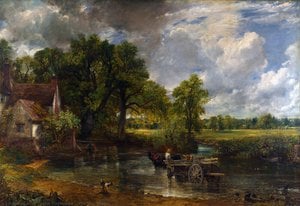
Brighton beach

Discover John Constable’s "Brighton Beach" – a Romantic landscape capturing serene coastal beauty & human leisure. Loose brushstrokes & atmospheric perspective evoke nostalgia for a bygone era. A timeless piece of British art.

Scopri John Constable (1776-1837), un pittore paesaggista britannico rinomato per la sua profondità emotiva e la sua bellezza naturale. Influente nella Scuola di Barbizon, ha anticipato il Romanticismo con opere iconiche come 'Netley Abbey'. Esplora il suo lascito su WahooArt!

Giclée / Stampa d'arte

Stampa giclée o su tela di qualità museale, con produzione rapida e diverse opzioni di finitura.

P118B $10
P118H $10
P118W $10
P438Z $10
P508JH $12
P508YH $12
P805H $10
P805Z $10
P919BZ $10
P919G $10
P919XJ $10
P959ZH $10
P968JZ $12
W106C $8
W218G $10
W218JH $8
W218Y $10
W307PJ $10
W316G $10
W316PJ $8
W316Y $10
W398PJ $8
W4111J $10
W500HY $15
W500JH $15
W692G $12
W849H $8
W940BG $15
W953PJ $8

Standard
custom
CM
INCH

Scegli tra le nostre dimensioni predefinite, che rispettano le proporzioni originali dell'opera d'arte.

larghezza
altezza

È possibile inserire dimensioni personalizzate per adattare l'opera a una cornice o a uno spazio specifico. Se la dimensione selezionata non corrisponde alle proporzioni dell'immagine originale, procederemo al ritaglio dell'opera o all'estensione dell'immagine con un bordo specchiato o a tinta unita. Un mockup digitale ti verrà inviato per approvazione prima dell'inizio della produzione.
Si prega di notare che l'anteprima a schermo non riflette il ritaglio o l'estensione effettivi. Solo il mockup mostrerà accuratamente la composizione finale.
Sebbene siano disponibili dimensioni personalizzate, si raccomanda di selezionare una dimensione dall'elenco predefinito per preservare le proporzioni originali.

Consegna in tutto il mondo () in 2 settimane invece delle normali 4/5 settimane. (2 Luglio)

why_choose_icon
Spedizione espressa gratuita in tutto il mondo
why_choose_icon
Tela in lino di alta qualità
why_choose_icon
Assicurazione completa sulla spedizione
why_choose_icon
Garanzia di rimborso dei dazi doganali
why_choose_icon
Garanzia di fedeltà cromatica
why_choose_icon
Politica di reso entro 60 giorni (solo per difetti)
why_choose_icon
Garanzia di rimborso al 100%
why_choose_icon
Sconto per acquisti multipli

Prezzo totale

-

reproduction

Brighton beach

Giclée / Stampa d'arte

Dimensioni riproduzione

-

Prezzo totale finale

-

Informazioni rapide

  • Medium: Oil on canvas
  • Notable elements: Shipwreck, figures
  • Artistic style: Loose brushstrokes
  • Influences: Landscape painting
  • Title: Brighton beach
  • Artist: John Constable

Quiz d'arte

Per ogni domanda è presente una sola risposta corretta.

Domanda 1:
What is the primary subject matter depicted in John Constable’s "Brighton Beach"?
Domanda 2:
The painting "Brighton Beach" is primarily associated with which artistic movement?
Domanda 3:
What technique does John Constable employ to convey the atmospheric effects of the coastal scene?
Domanda 4:
Based on the description, what symbolic element is present in the painting?
Domanda 5:
John Constable was born in which location?

Descrizione dell'opera

A Seaside Reverie: John Constable’s “Brighton Beach”

John Constable's "Brighton Beach," painted in 1824, isn’t merely a depiction of a coastal scene; it’s a profound meditation on the relationship between humanity and nature, rendered with the characteristic sensitivity and emotional depth that defined the artist’s legacy. This evocative landscape captures a fleeting moment along Brighton's shore, yet within its loose brushstrokes and atmospheric haze resides a wealth of observation and feeling. The painting immediately draws the eye to the partially submerged shipwreck on the left – a poignant reminder of time’s relentless passage and the impermanence of earthly possessions. However, it is not a scene of melancholy, but rather one imbued with a quiet sense of leisure and connection to the natural world.

Constable's approach firmly places “Brighton Beach” within the Romantic tradition, a movement that prioritized subjective experience and emotional response over strict adherence to academic rules. He eschews precise detail in favor of capturing the *feeling* of the scene – the diffused light, the subtle shifts in color, the sense of airiness and openness. The composition is deliberately horizontal, emphasizing the vastness of the sea and sky, creating a feeling of limitless space and inviting the viewer to lose themselves within the panorama. The artist’s use of color is particularly noteworthy; he employs muted tones – ochres, blues, and greens – to create a sense of atmospheric depth and subtly suggest the play of light on water and sand.

Romantic Landscape and the Suffolk Connection

Born in East Bergholt, Suffolk, Constable’s artistic vision was inextricably linked to his homeland. His paintings are not simply representations of landscapes; they are intensely personal expressions of his deep connection to the English countryside. The Suffolk landscape – with its rolling hills, meandering rivers, and ever-changing light – provided him with an endless source of inspiration. “Brighton Beach” can be seen as a departure from his usual subjects—the familiar vistas of Dedham Vale—but it retains the same core qualities: a profound appreciation for nature’s beauty, a sensitivity to atmospheric effects, and a willingness to imbue ordinary scenes with emotional resonance.

Constable's technique is characterized by loose, expressive brushstrokes – a hallmark of his style. He builds up layers of paint, allowing the texture of the canvas to become visible, creating a sense of immediacy and spontaneity. The artist’s use of *sfumato*, a technique borrowed from Leonardo da Vinci, further enhances the atmospheric effect, softening edges and blurring details to create a hazy, dreamlike quality. The painting is not about precise accuracy; it's about capturing the essence of a moment in time – the feeling of being present in a beautiful place.

Symbolism and Emotional Resonance

Beyond its purely visual appeal, “Brighton Beach” is rich in symbolic meaning. The shipwreck, partially submerged beneath the waves, represents decay, loss, and the inevitable passage of time. Yet, it’s not presented as a morbid image; rather, it serves as a counterpoint to the lively activity on the beach – the figures enjoying the sun, the sailboats gliding across the water. This juxtaposition suggests a complex relationship between humanity and nature: a recognition of mortality alongside an appreciation for life's simple pleasures.

The scene evokes a sense of nostalgia—a longing for a simpler time, a connection to the past. The hazy atmosphere, the muted colors, and the quiet stillness all contribute to this feeling. “Brighton Beach” is not just a painting; it’s an invitation to pause, reflect, and reconnect with the beauty and wonder of the natural world. It's a testament to Constable's ability to capture not only what he saw but also what he *felt*—a rare and deeply moving achievement.

Historical Context and Artistic Legacy

Painted during a period of significant social and artistic change, “Brighton Beach” reflects the growing interest in landscape painting as a legitimate subject for artists. Prior to this era, landscapes were often relegated to secondary roles in paintings—mere backdrops for portraits or historical scenes. Constable’s work helped to elevate the status of landscape painting, demonstrating its capacity to convey complex emotions and ideas. The burgeoning popularity of seaside resorts like Brighton during this time also influenced artistic trends, as artists sought to capture the changing social landscape.

Constable's influence on subsequent generations of landscape painters is undeniable. His emphasis on subjective experience, his expressive brushwork, and his profound connection to nature paved the way for Impressionism and other modern movements. “Brighton Beach” remains a powerful example of Constable’s genius—a timeless masterpiece that continues to captivate viewers with its beauty, emotion, and enduring relevance.


Biografia dell'artista

**primi anni di vita e difficoltà**

john constable, un artista britannico rinomato, nacque il 23 giugno 1776 a East Bergholt, Suffolk. I suoi primi anni furono segnati da un profondo legame con la natura, che sarebbe poi diventata la cifra distintiva del suo stile artistico. Nonostante abbia affrontato numerose sfide nel mercato dell'arte inglese, l'incrollabile dedizione alla sua arte ha aperto la strada a un'eredità che va ben oltre il suo tempo.

**stile artistico e influenza**

L'approccio distintivo di constable alla pittura paesaggistica, caratterizzato dall'enfasi sulla bellezza naturale e sulla profondità emotiva, ha segnato uno spostamento significativo nel genere. La sua influenza è stata particolarmente profonda in Francia, dove ha svolto un ruolo chiave nella formazione della scuola di Barbizon dei pittori. Questa scuola, nota per il suo focus sul realismo e sulla natura, ha tratto ispirazione diretta dalle tecniche e dai temi di constable.
  • netley abbey (olio su tela), una testimonianza della sua abilità nel catturare l'essenza dei paesaggi naturali.
  • the judges walk, hampstead (romanticismo, olio), che mostra la sua capacità di infondere tocchi personali nel suo lavoro.
  • a view on the stour near dedham (129 x 188 cm, romanticismo, olio su tela), un esempio primario della sua influenza sul genere del paesaggio.

**eredità e ricordo**

Oggi, john constable è ricordato non solo come pittore di paesaggi ma anche come pioniere che ha aperto nuove possibilità per l'espressione emotiva nell'arte. Il suo impatto profondo sul corso della pittura del paesaggio nel XIX secolo e oltre è innegabile. punti chiave:** * influente nello sviluppo della scuola di Barbizon in Francia * ha pionierato un nuovo approccio alla pittura del paesaggio, concentrandosi sulla bellezza naturale e sulla profondità emotiva * ha lottato per il riconoscimento nel mercato dell'arte inglese durante la sua vita

**conclusione**

L'eredità di john constable è una testimonianza del potere trasformativo dell'arte. La sua influenza sulla pittura del paesaggio, sia nel suo tempo che al di là, serve da promemoria dell'impatto profondo che un singolo artista può avere sul mondo.
John Constable

John Constable

1776 - 1837 , Regno Unito

Dati rapidi

  • Artisti Influenti:
    • Claude Lorrain
    • Jacob van Ruisdael
  • Artisti Influenzati: ['Scuola di Barbizon']
  • Data Di Nascita: 23 giugno 1776
  • Luogo Di Nascita: East Bergholt, Regno Unito
  • Movimento Artistico: Romanticismo
  • Nazionalità: Britannico
  • Nome Completo: John Constable
  • Opere Notevoli:
    • Netley Abbey
    • The Hay Wain
    • Salisbury Cathedral
Esplora opere d'arte organizzate per temi, stili e caratteristiche.