x
Anteprima in scala realeAnteprima in scala reale Anteprima ARAnteprima AR Acquista il dipinto realizzato a mano Acquista il dipinto realizzato a manoAcquista immagine Acquista immagine InviaInvia
Dettagli operaDettagli opera Aggiungi ai preferiti Aggiungi ai preferiti Scarica immagineScarica immagine SimiliSimili RadiografiaRadiografia SlideshowSlideshow


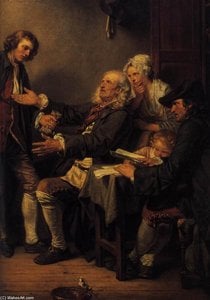
Self-Portrait

Capture the sentimental drama of this 18th-century self-portrait by Jean-Baptiste Greuze; own a piece of French genre mastery today.

Scopri Jean-Baptiste Greuze (1725-1805), pittore francese del Rococò, celebre per le sue scene di genere e ritratti che catturano la vita quotidiana con emozione!

Giclée / Stampe d'arte

Stampa giclée o su tela di qualità museale, con produzione rapida e diverse opzioni di finitura. (Acquista il dipinto realizzato a mano Acquista il dipinto realizzato a manoAcquista immagine Acquista immagine)

P118B $10
P118H $10
P118W $10
P438Z $10
P508JH $12
P508YH $12
P805H $10
P805Z $10
P919BZ $10
P919G $10
P919XJ $10
P959ZH $10
P968JZ $12
W106C $8
W218G $10
W218JH $8
W218Y $10
W307PJ $10
W316G $10
W316PJ $8
W316Y $10
W398PJ $8
W4111J $10
W500HY $15
W500JH $15
W692G $12
W849H $8
W940BG $15
W953PJ $8

Formato standard
su misura
CM
INCH

Scegli tra le nostre dimensioni predefinite, che rispettano le proporzioni originali dell'opera d'arte.

larghezza
altezza

È possibile inserire dimensioni personalizzate per adattare l'opera a una cornice o a uno spazio specifico. Se la dimensione selezionata non corrisponde alle proporzioni dell'immagine originale, procederemo al ritaglio dell'opera o all'estensione dell'immagine con un bordo specchiato o a tinta unita. Un mockup digitale ti verrà inviato per approvazione prima dell'inizio della produzione.
Si prega di notare che l'anteprima a schermo non riflette il ritaglio o l'estensione effettivi. Solo il mockup mostrerà accuratamente la composizione finale.
Sebbene siano disponibili dimensioni personalizzate, si raccomanda di selezionare una dimensione dall'elenco predefinito per preservare le proporzioni originali.

Consegna in tutto il mondo () in 2 settimane invece delle normali 4/5 settimane. (30 Agosto)

why_choose_icon
Spedizione espressa gratuita in tutto il mondo
why_choose_icon
Tela in lino di alta qualità
why_choose_icon
Assicurazione completa sulla spedizione
why_choose_icon
Garanzia di rimborso dei dazi doganali
why_choose_icon
Garanzia di fedeltà cromatica
why_choose_icon
Politica di reso entro 60 giorni (solo per difetti di fabbricazione)
why_choose_icon
Garanzia di rimborso al 100%
why_choose_icon
Offerta per acquisti multipli

Prezzo totale

$ 68

reproduction

Self-Portrait

Giclée / Stampe d'arte

Dimensioni riproduzione

-

Prezzo totale calcolato

$ 68

Informazioni rapide

  • Artist: Jean-Baptiste Greuze
  • Medium: Pastel
  • Location: Louvre
  • Title: Self-Portrait
  • Movement: Neoclassical
  • Influences: Rococo
  • Dimensions: 56 x 46 cm

Quiz d'arte

Per ogni domanda è presente una sola risposta corretta.

Domanda 1:
What artistic movement is Jean-Baptiste Greuze primarily associated with?
Domanda 2:
The image depicts a man smoking a pipe. What does this detail suggest about the artist's intention?
Domanda 3:
Where was Jean-Baptiste Greuze initially trained as an artist?
Domanda 4:
What is a key characteristic of Greuze's artistic style?
Domanda 5:
The painting includes two other figures. What is their role in the scene?

A Glimpse into Sentimental Life: Analyzing Greuze's Self-Portrait

To stand before this depiction of a man with distinguished white hair, pipe held thoughtfully in his mouth, is to step directly into the emotional landscape of late eighteenth-century France. Jean-Baptiste Greuze, master chronicler of human feeling, has captured not merely a likeness, but a moment imbued with quiet contemplation. The subject gazes out, seemingly connecting with the viewer across the span of two centuries. His attire, suggesting an earlier epoch, anchors him in a time when sentimentality was becoming the dominant current in art. Yet, it is the subtle presence of the two other figures—one flanking the left, another on the right—that enriches the narrative, transforming what might be a simple portrait into a complex tableau of social interaction.

The Artistry of Sentiment and Genre

Greuze’s genius lay in his ability to elevate everyday life—the genre scene—to the level of high art. While academic painters often gravitated toward grand historical epics or mythological grandeur, Greuze found his profound resonance in the intimate dramas of ordinary people. This Self-Portrait, dated around 1780, exemplifies this focus. The technique employed speaks to a mastery of tonal subtlety; observe how the light catches the texture of the brown coat and the wisps of white hair. It is a painting that rewards close inspection, allowing the eye to wander from the direct gaze of the central figure to the muted activities unfolding around him. This careful balance between individual focus and surrounding narrative depth is characteristic of his most compelling works.

Historical Echoes: Life in the Late Enlightenment

The period surrounding 1780 was a time of profound intellectual ferment, one where emotion began to challenge rigid classical structures. Greuze’s work resonated deeply with the burgeoning sentimental taste—a cultural shift that valued empathy, domestic virtue, and relatable human struggle over sheer grandeur. The inclusion of multiple figures suggests a community moment, perhaps a gathering or an informal portrait session. These secondary characters are not mere props; they participate in the atmosphere, grounding the central figure's introspection within a tangible social reality. Owning a reproduction of this piece allows one to bring that historical resonance—that feeling of intimate, observed life—into a modern setting.

Symbolism and Emotional Resonance for the Collector

The pipe itself functions as more than just an accessory; it is a classic symbol of contemplation, reflection, and perhaps even melancholy wisdom. The man seems caught between the outward performance of his composure and the deep thoughts suggested by his posture. For the collector or designer, this painting offers immediate emotional depth. It speaks to the quiet dignity found in aging, in companionship, and in the act of simply observing life unfold. Whether placed above a mantelpiece or within a gallery setting, this artwork does not shout for attention; rather, it invites the viewer into a hushed, thoughtful conversation, making it an exquisite piece for those who appreciate art with a soulful whisper.


Biografia dell'artista

La Giovinezza e la Formazione

Jean-Baptiste Greuze, pittore francese, nacque il 21 agosto 1725 a Tournus, in Borgogna. Suo padre, maestro coprimastri, inizialmente scoraggiò le inclinazioni artistiche del figlio, ma alla fine Grandon, un artista lyonese, incoraggiò Greuze a perseguire la sua passione. Nel 1750, Greuze si trasferì a Parigi per studiare sotto Charles-Joseph Natoire all'Accademia Reale di Pittura e Scultura.

Ascesa alla Fama

La svolta di Greuze avvenne nel 1755 con il suo dipinto *Le Père de Famille Expliquant la Bible à ses Enfants*, acquistato da un appassionato d'arte, Ange-Laurent Lalive de Jully. Questo portò al riconoscimento di Greuze tra i filosofi e la comunità artistica. Successivamente, viaggiò in Italia con l’Abbé Gougenot, dove trascorse circa un anno, ispirando le sue future opere.

Stile Artistico e Opere Notabili

Lo stile di Greuze è caratterizzato dalla sua attenzione alle scene di genere, catturando l'essenza della vita quotidiana. Alcune opere notevoli includono:
  • *A Girl with a Dead Canary* (Scottish National Gallery, Edimburgo), che mostra l’abilità di Greuze nell’evocare emozioni.
  • *Savoyard with a Dancing Doll* (Albertina, Vienna), evidenziando la sua abilità nel catturare lo spirito dei suoi soggetti.
  • *Boy with a Broken Egg*, c. 1756 (Albertina, Vienna), dimostrando la precoce padronanza di Greuze nella pittura di genere.

Evoluzione Artistica e Tentativi Storici

Nel 1765, il successo di Greuze raggiunse l'apice con tredici opere esposte al Salon, tra cui *La Jeune Fille qui Pleure son Oiseau Mort*, *La Bonne Mère* e *Le Mauvais Fils Puni* (Louvre). Tuttavia, il suo tentativo di passare alla pittura storica fu accolto con critiche. Greuze si sforzò di elevare il suo status artistico abbracciando soggetti storici e mitologici, ma questi tentativi non ebbero lo stesso successo delle sue opere di genere.

Eredità e Vita Successiva

Greuze morì il 4 marzo 1805 nel Louvre, dopo una vita segnata sia da trionfi artistici che da difficoltà finanziarie. Nonostante le critiche ricevute per i suoi tentativi nella pittura storica, l'influenza di Greuze sulla pittura francese del XVIII secolo rimane significativa. La sua capacità di catturare la vita quotidiana e le emozioni umane con realismo e sensibilità lo ha reso un artista amato dal pubblico e apprezzato dagli storici dell’arte. Le sue opere continuano ad essere esposte in importanti musei di tutto il mondo, testimoniando il suo contributo duraturo all'arte francese.

Jean-Baptiste Greuze

Jean-Baptiste Greuze

1725 - 1805 , Francia

Dati rapidi

  • Data Di Nascita: 21 agosto 1725
  • Luogo Di Nascita: Tournus, Francia
  • Movimento Artistico: Rococò
  • Nazionalità: Francese
  • Nome Completo: Jean-Baptiste Greuze
  • Opere Notevoli:
    • A Girl with a Dead Canary
    • Savoyard with a Dancing Doll
    • Boy with a Broken Egg
    • Le Père de Famille
Esplora le opere d'arte organizzate per temi, stili e caratteristiche.