Anteprima in scala reale Prova in AR Passa alle stampe Passa all'immagine digitale Condividi
Dettagli Guida stampabile Aggiungi ai preferiti Scarica Articoli simili Radiografia Slideshow Statistiche

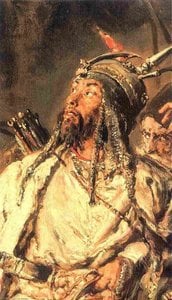
Self-portrait

A profound sense of introspection defines this 1892 Romanticism self-portrait by Jan Matejko, capturing the Polish master in a moment of quiet contemplation that you can bring to your collection via WahooArt.

Scopri Jan Matejko (1838-1893), pittore polacco e 'pittore nazionale'! Ammira le sue epiche scene storiche, come la 'Battaglia di Grunwald', simbolo del Romanticismo.

Riproduzione a olio fatta a mano

Olio su tela dipinto a mano nelle tue dimensioni e con la tua cornice, realizzato su ordinazione dai nostri artisti. ( Passa alle stampe Passa all'immagine digitale)

Corner sample of the P118B picture frame: polistirene stampato, 5 cm wide and 3 cm thick
P118B 10
Corner sample of the P118H picture frame: polistirene stampato, 5 cm wide and 3 cm thick
P118H 10
Corner sample of the P118W picture frame: polistirene stampato, 5 cm wide and 3 cm thick
P118W 10
Corner sample of the P438Z picture frame: polistirene stampato, 5.5 cm wide and 3.5 cm thick
P438Z 10
Corner sample of the P508JH picture frame: polistirene stampato, 7 cm wide and 3.5 cm thick
P508JH 12
Corner sample of the P508YH picture frame: polistirene stampato, 7 cm wide and 3.5 cm thick
P508YH 12
Corner sample of the P805H picture frame: polistirene stampato, 5 cm wide and 3.5 cm thick
P805H 10
Corner sample of the P805Z picture frame: polistirene stampato, 5 cm wide and 3.5 cm thick
P805Z 10
Corner sample of the P919BZ picture frame: polistirene stampato, 7 cm wide and 3.5 cm thick
P919BZ 10
Corner sample of the P919G picture frame: polistirene stampato, 7 cm wide and 3.5 cm thick
P919G 10
Corner sample of the P919XJ picture frame: polistirene stampato, 7 cm wide and 3.5 cm thick
P919XJ 10
Corner sample of the P959ZH picture frame: polistirene stampato, 5 cm wide and 3 cm thick
P959ZH 10
Corner sample of the P968JZ picture frame: polistirene stampato, 6 cm wide and 4 cm thick
P968JZ 12
Corner sample of the W106C picture frame: legno massello, 5 cm wide and 3 cm thick
W106C 8
Corner sample of the W218G picture frame: legno massello, 5 cm wide and 3 cm thick
W218G 10
Corner sample of the W218JH picture frame: legno massello, 5 cm wide and 3 cm thick
W218JH 8
Corner sample of the W218Y picture frame: legno massello, 5 cm wide and 3 cm thick
W218Y 10
Corner sample of the W307PJ picture frame: legno massello, 6 cm wide and 3 cm thick
W307PJ 10
Corner sample of the W316G picture frame: legno massello, 6 cm wide and 3 cm thick
W316G 10
Corner sample of the W316PJ picture frame: legno massello, 6 cm wide and 3 cm thick
W316PJ 8
Corner sample of the W316Y picture frame: legno massello, 6 cm wide and 3 cm thick
W316Y 10
Corner sample of the W398PJ picture frame: legno massello, 5 cm wide and 3 cm thick
W398PJ 8
Corner sample of the W4111J picture frame: legno massello, 6.5 cm wide and 3.5 cm thick
W4111J 10
Corner sample of the W500HY picture frame: legno massello, 7 cm wide and 5 cm thick
W500HY 15
Corner sample of the W500JH picture frame: legno massello, 7 cm wide and 5 cm thick
W500JH 15
Corner sample of the W692G picture frame: legno massello, 8 cm wide and 4 cm thick
W692G 12
Corner sample of the W849H picture frame: legno massello, 5 cm wide and 3 cm thick
W849H 8
Corner sample of the W940BG picture frame: legno massello, 7.5 cm wide and 4.5 cm thick
W940BG 15
Corner sample of the W953PJ picture frame: legno massello, 6 cm wide and 3.5 cm thick
W953PJ 8

Standard
personalizzato
CM
INCH

Scegli tra le nostre dimensioni predefinite, che rispettano le proporzioni originali dell'opera d'arte.

larghezza
altezza

Inserisci la larghezza e l'altezza di cui hai bisogno, per adattarle alla tua cornice o alla tua parete. Trattandosi di un'opera dipinta a mano, in caso di dimensioni con una forma differente, l'artista può dipingere un po' più oltre i bordi dell'immagine o ritagliare leggermente — la scelta spetta a te. Ti invieremo un mockup digitale da approvare prima che la pittura abbia inizio. L'immagine mostrata in questa pagina non rappresenta il risultato reale — solo il mockup lo fa.

Esempi di personalizzazione: sostituire il volto con una foto del cliente; aggiungere un animale domestico (ad esempio, sostituire un gatto con un cane); inserire un messaggio nascosto nello sfondo; cambiare il paesaggio o gli elementi dello sfondo.
Dopo l'ordine, il team di WahooArt.com contatterà il cliente via e-mail per ricevere le istruzioni e fornirà un'anteprima del mockup

Consegna in tutto il mondo () in 3/4 settimane anziché nelle normali 5 settimane. (22 Ottobre). Nessun compromesso sulla qualità.

Spedizione espressa gratuita in tutto il mondo
Tela in lino di alta qualità
Assicurazione completa sulla spedizione
Garanzia di rimborso dei dazi doganali
Garanzia di perfetta fedeltà cromatica
Politica di reso entro 100 giorni (solo per difetti di fabbricazione)
Garanzia di rimborso al 100%
Sconto per acquisti multipli

Prezzo totale

€ 239

Self-portrait

Tecnica di riproduzione

Dimensioni della riproduzione

-

Prezzo totale

€ 239

An Intimate Encounter with a Master

In the vast canon of nineteenth-century European art, few figures loom as large in the national consciousness of Poland as Jan Matejko. While he is most celebrated for his monumental, sweeping historical canvases that capture the epic triumphs and tragedies of the Polish spirit, his Self-portrait of 1892 offers a profound departure from the grandiosity of the battlefield. This intimate oil on canvas invites us into the private sanctuary of the artist’s mind, presenting a moment of quietude that stands in stark contrast to the turbulent political histories he so famously documented. Here, the brushwork does not strive for the chaotic energy of war, but rather settles into a contemplative stillness, capturing an older, wiser gentleman lost in the depths of his own thoughts.

The composition is masterfully structured to evoke a sense of psychological depth. Seated in a rich, red chair that anchors the lower portion of the frame, Matejko presents himself with arms crossed—a posture that suggests both a defensive enclosure and a profound state of introspection. The artist’s face, framed by a dignified beard, becomes the emotional epicenter of the work. Through a sophisticated interplay of light and shadow, the painter utilizes the hallmarks of Romanticism to breathe life into the scene; the warm, enveloping tones of his attire and the velvet textures of the chair are set against a more muted, cooler background, creating a chiaroscical effect that pulls the viewer toward his gaze. This technique does more than just define form; it creates an atmosphere of heavy, thoughtful silence.

Symbolism and the Weight of Legacy

Beyond the mere depiction of a man in a room, every element within this self-portrait serves as a subtle nod to the intellectual life of the creator. The presence of books, strategically placed within the composition, speaks to the scholarly rigor and the historical weight that Matejko carried throughout his career. These objects are not merely props but symbols of the knowledge and the heavy burden of history that informed his every stroke. For the collector or the interior designer, this painting offers a sophisticated narrative of wisdom and permanence. It is a piece that does not demand attention through loud colors, but commands respect through its quiet authority and the palpable sense of dignity it radiates.

For those looking to integrate such a masterpiece into a curated space, the Self-portrait acts as a soulful anchor. Whether placed in a private library, a formal study, or an elegant living area, the painting brings with it a legacy of European Romanticism. The deep reds and earthy tones provide a luxurious warmth that complements classical decor, while the subject matter provides a conversation piece regarding the nature of identity and the artist's role in society. Owning a high-quality reproduction of this work is an opportunity to possess a fragment of history—a window into the soul of a man who spent his life painting the destiny of a nation.

Domande e risposte

Quali sono la data e lo stile di "Self-portrait" di Jan Matejko?

"Self-portrait" è stata creata nel 1892 come opera del movimento Romanticism. La data e il movimento collocano l'opera all'interno della storia dell'arte.

Dove dovrebbe essere appesa una riproduzione di "Self-portrait" di Jan Matejko?

Il formato Portrait di "Self-portrait" di Jan Matejko è consigliato per un/una Office. Il formato e lo spazio insieme guidano il posizionamento di una riproduzione.

Posso visualizzare "Self-portrait" come una presentazione a schermo intero?

È disponibile un diaporama: la pagina Slideshow di "Self-portrait" di Jan Matejko.


Biografia dell'artista

Primi anni e formazione

Jan alojzy matejko, un rinomato pittore polacco, nacque il 24 giugno 1838 nella Città Libera di Cracovia. Suo padre, Franciszek Ksawery Matejko, era un tutore e insegnante di musica nato in Cecchia. La vita giovanile di Jan fu segnata dalla rivoluzione di Cracovia del 1846 e dall'assedio di Cracovia da parte degli austriaci nel 1848, eventi che avrebbero successivamente influenzato i suoi temi artistici. Matejko frequentò la scuola superiore di St. Ann ma abbandonò nel 1851 a causa dei cattivi voti. Tuttavia, dimostrò un talento eccezionale per l'arte fin dalla tenera età. Studiò presso la Scuola di belle arti di Cracovia dal 1852 al 1858, specializzandosi in pittura storica sotto la guida di Wojciech Korneli Stattler e Władysław Łuszczkiewicz.

Carriera artistica

Il suo primo lavoro importante, Tsars Shuyski prima di Zygmunt III, fu completato nel 1853. Iniziò a esporre i suoi dipinti storici alla Società degli amici delle belle arti di Cracovia nel 1855. Opere notevoli includono:
  • Rejtan (1866): un grande dipinto ad olio su tela che raffigura un momento cruciale nella storia polacca.
  • Unione di Lublino (1869): un'opera significativa che mette in mostra l'abilità di Matejko nel catturare eventi storici.
  • Battaglia di Grunwald (1878): un capolavoro che evidenzia la sua capacità di trasmettere l'intensità delle scene di battaglia.

Influenze e sviluppo artistico

Lo stile di Matejko è fortemente radicato nel Romanticismo, con una predilezione per le rappresentazioni epiche e drammatiche della storia polacca. Fu influenzato dai maestri storici europei, ma sviluppò un approccio distintivo caratterizzato da un'attenzione meticolosa ai dettagli storici, un uso audace del colore e una composizione dinamica. La sua arte riflette il nazionalismo polacco del XIX secolo e il desiderio di celebrare l'identità culturale e la resilienza del paese durante un periodo di occupazione straniera.

Contributi museologici ed eredità

Matejko trascorse gran parte della sua vita a Cracovia, diventando infine direttore all’Accademia delle belle arti Jan Matejko, precedentemente nota come Accademia delle belle arti di Cracovia. I suoi studenti includevano pittori importanti come Maurycy Gottlieb, Jacek Malczewski, Józef Mehoffer e Stanisław Wyspiański. Opere notevoli disponibili su WahooArt: Visualizza altre opere di Jan Matejko su WahooArt: Jan Matejko | 203 opere d'arte Matejko morì il 1° novembre 1893, lasciando dietro di sé un’eredità come pittore polacco più famoso e il "pittore nazionale" della Polonia. I suoi contributi alla pittura storica continuano a ispirare artisti e appassionati d'arte.

Riferimenti

Scoprire i capolavori del Muzeum Narodowe di Cracovia, Polonia (wikipedia.org)
Jan Matejko

Jan Matejko

1838 - 1893 , Polonia

Informazioni rapide

  • Artisti Influenti: ['Wojciech Weiss']
  • Artisti Influenzati:
    • Stanisław Wyspiański
    • Józef Mehoffer
  • Data Di Nascita: 24 giugno 1838
  • Luogo Di Nascita: Cracovia, Polonia
  • Movimento Artistico: Romanticismo
  • Nazionalità: Polacca
  • Nome Completo: Jan Matejko
  • Opere Notevoli:
    • Rejtan (1866)
    • Unione di Lublino (1869)
    • Battaglia di Grunwald (1878)
Esplora le opere d'arte organizzate per temi, stili e caratteristiche.