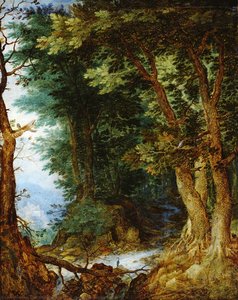
Jan Brueghel il Vecchio: Una Vita nell'Arte
- Nato: Bruxelles, Belgio (1568)
- Morto: 1625
Jan Brueghel il Vecchio, figura di spicco del movimento barocco fiammingo, nacque in una famiglia profondamente radicata nella tradizione artistica. Come secondo figlio del rinomato pittore neerlandese Pieter Bruegel il Vecchio e fratello di Jan Brueghel il Giovane, ereditò un'eredità che plasmò profondamente la sua carriera. La sua vita e le sue opere riflettono una affascinante intersezione tra l'influenza familiare, gli stili artistici in evoluzione e significativi contributi all'arte del XVII secolo.
Primi Anni e Formazione
Nato a Bruxelles, Jan Brueghel trascorse i suoi primi anni immerso nel mondo dell'arte. Suo padre, Pieter Bruegel il Vecchio, era già un artista celebrato per le sue scene di genere e paesaggi che raffiguravano la vita contadina. Sebbene i dettagli sulla sua formazione formale siano alquanto scarsi, si ritiene ampiamente che abbia ricevuto l'istruzione iniziale da suo padre. Oltre a questa guida familiare, Jan studiò probabilmente sotto altri importanti artisti dell'epoca, assorbendo le tecniche e le filosofie artistiche prevalenti ad Anversa e Bruxelles.
Stile Artistico e Opere Notabili
Jan Brueghel il Vecchio sviluppò uno stile distintivo caratterizzato da una meticolosa attenzione ai dettagli, colori vibranti e abile manipolazione di luce e ombra. Pur essendo influenzato dai lavori precedenti di suo padre, tracciò la sua strada, diventando particolarmente rinomato per i suoi naturemorte, paesaggi e scene allegoriche.
- Meticola Attenzione ai Dettagli: Le sue opere sono celebrate per la loro incredibile attenzione ai dettagli, evidente nella resa di fiori, frutti, insetti e altri elementi naturali.
- Colori Vibranti: Brueghel impiegò una tavolozza ricca, utilizzando colori vibranti per creare profondità, emozione e appeal visivo nelle sue composizioni.
- Sperimentazione con Luce e Ombra: Usò abilmente la luce e l'ombra per creare effetti drammatici ed esaltare il realismo dei suoi dipinti.
Tra le sue opere più notevoli figurano:
- Il Trionfo di Nettuno (Museo del Prado, Spagna): Un capolavoro su larga scala che mostra la sua padronanza del colore e della composizione, raffigurante una sontuosa celebrazione in onore del dio marino.
- Nature Morte con Fiori (Groeninge Museum, Bruges, Belgio): Dimostra la sua eccezionale abilità nel catturare la bellezza e la fragilità degli oggetti di uso quotidiano, in particolare i fiori.
- Paesaggio con Cascata (WahooArt.com): Una testimonianza della sua capacità di evocare emozioni attraverso i paesaggi, mostrando una scena naturale serena ma potente.
Influenze e Sviluppo
Sebbene innegabilmente influenzato dall'eredità di suo padre, Jan Brueghel il Vecchio trasse ispirazione anche dalle tendenze artistiche contemporanee. L'ascesa dell'arte barocca nelle Fiandre ebbe un impatto significativo sul suo stile, portando a una maggiore enfasi su dramma, emozione e opulenti dettagli. Collaborò strettamente con Peter Paul Rubens, uno degli artisti più influenti dell'epoca, scambiandosi idee e tecniche che affinarono ulteriormente il suo approccio. Il suo sviluppo vide anche un passaggio da opere puramente basate sul paesaggio a composizioni più complesse che incorporavano elementi allegorici e componenti dettagliate di nature morte.
Eredità e Significato Storico
Jan Brueghel il Vecchio ha lasciato un segno duraturo nel mondo dell'arte, consolidando la sua posizione come figura significativa nel movimento barocco fiammingo. La sua meticolosa attenzione ai dettagli, le vivaci tavolozze di colori e le composizioni innovative continuano a ispirare gli artisti oggi. È particolarmente riconosciuto per aver aperto nuove strade come i dipinti a ghirlanda di fiori e i paesaggi paradisiaci, ampliando le possibilità dell'espressione artistica. Il suo lavoro riflette lo spirito della Controriforma, incorporando motivi religiosi insieme a un crescente interesse per l'osservazione scientifica e la rappresentazione accurata del mondo naturale. La sua influenza si estese oltre la sua stessa vita, influenzando le generazioni successive di pittori fiamminghi e contribuendo al ricco arazzo della storia dell'arte europea.



 Anteprima in scala reale
 Passa alle stampe
 Condividi
 Condividi
 Dettagli
 Guida stampabile

 Scarica
 Articoli simili
 Radiografia
 Slideshow
 Statistiche


 Leggi tutto






































 L'opzione vetro è disponibile solo per dimensioni inferiori a 110 cm