Anteprima in scala reale Prova in AR Ordina la riproduzione dipinta a mano Passa all'immagine digitale Condividi
Dettagli Guida stampabile Aggiungi ai preferiti Scarica Articoli simili Radiografia Slideshow Statistiche

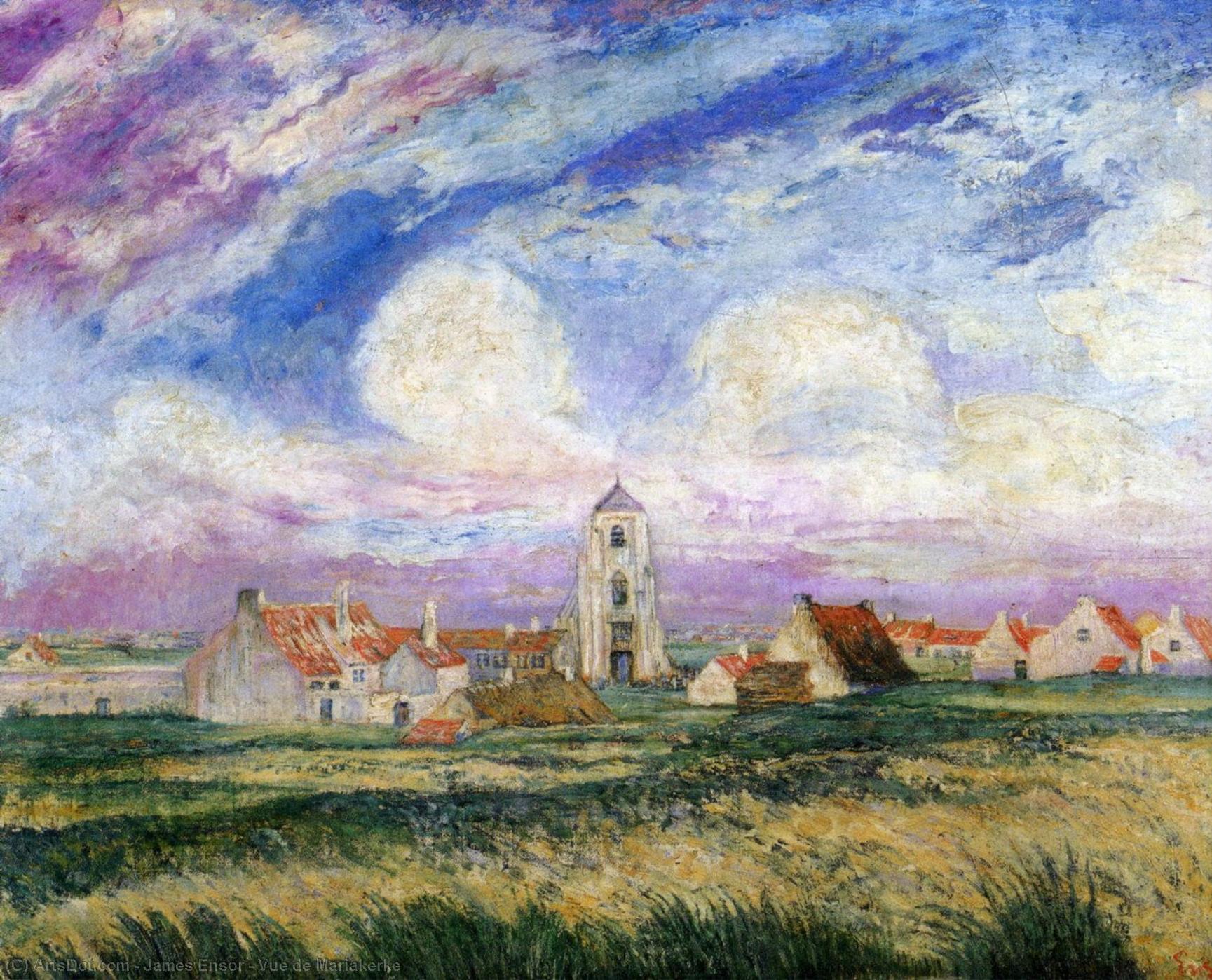
Vue de Mariakerke

James Ensor’s unsettling ‘Vue de Mariakerke’ captures a dramatic Belgian village scene with a central church and evocative cloudscape, showcasing the artist's unique style and period. Discover this captivating artwork and bring its beauty into your space.

Scopri James Ensor (1860-1949), un pioniere pittore e incisore belga. Esplora le sue scene inquietanti e oniriche di maschere, carnevali e scheletri che hanno profondamente influenzato l'Espressionismo e il Surrealismo. #JamesEnsor #Espressionismo #Surrealismo #Bel

Giclée / Stampe d'arte

Stampa giclée o su tela di qualità museale, con produzione rapida e diverse opzioni di finitura. ( Ordina la riproduzione dipinta a mano Passa all'immagine digitale)

Corner sample of the P118B picture frame: moulded polystyrene, 5 cm wide and 3 cm thick
P118B €10
Corner sample of the P118H picture frame: moulded polystyrene, 5 cm wide and 3 cm thick
P118H €10
Corner sample of the P118W picture frame: moulded polystyrene, 5 cm wide and 3 cm thick
P118W €10
Corner sample of the P438Z picture frame: moulded polystyrene, 5.5 cm wide and 3.5 cm thick
P438Z €10
Corner sample of the P508JH picture frame: moulded polystyrene, 7 cm wide and 3.5 cm thick
P508JH €12
Corner sample of the P508YH picture frame: moulded polystyrene, 7 cm wide and 3.5 cm thick
P508YH €12
Corner sample of the P805H picture frame: moulded polystyrene, 5 cm wide and 3.5 cm thick
P805H €10
Corner sample of the P805Z picture frame: moulded polystyrene, 5 cm wide and 3.5 cm thick
P805Z €10
Corner sample of the P919BZ picture frame: moulded polystyrene, 7 cm wide and 3.5 cm thick
P919BZ €10
Corner sample of the P919G picture frame: moulded polystyrene, 7 cm wide and 3.5 cm thick
P919G €10
Corner sample of the P919XJ picture frame: moulded polystyrene, 7 cm wide and 3.5 cm thick
P919XJ €10
Corner sample of the P959ZH picture frame: moulded polystyrene, 5 cm wide and 3 cm thick
P959ZH €10
Corner sample of the P968JZ picture frame: moulded polystyrene, 6 cm wide and 4 cm thick
P968JZ €12
Corner sample of the W106C picture frame: solid wood, 5 cm wide and 3 cm thick
W106C €8
Corner sample of the W218G picture frame: solid wood, 5 cm wide and 3 cm thick
W218G €10
Corner sample of the W218JH picture frame: solid wood, 5 cm wide and 3 cm thick
W218JH €8
Corner sample of the W218Y picture frame: solid wood, 5 cm wide and 3 cm thick
W218Y €10
Corner sample of the W307PJ picture frame: solid wood, 6 cm wide and 3 cm thick
W307PJ €10
Corner sample of the W316G picture frame: solid wood, 6 cm wide and 3 cm thick
W316G €10
Corner sample of the W316PJ picture frame: solid wood, 6 cm wide and 3 cm thick
W316PJ €8
Corner sample of the W316Y picture frame: solid wood, 6 cm wide and 3 cm thick
W316Y €10
Corner sample of the W398PJ picture frame: solid wood, 5 cm wide and 3 cm thick
W398PJ €8
Corner sample of the W4111J picture frame: solid wood, 6.5 cm wide and 3.5 cm thick
W4111J €10
Corner sample of the W500HY picture frame: solid wood, 7 cm wide and 5 cm thick
W500HY €15
Corner sample of the W500JH picture frame: solid wood, 7 cm wide and 5 cm thick
W500JH €15
Corner sample of the W692G picture frame: solid wood, 8 cm wide and 4 cm thick
W692G €12
Corner sample of the W849H picture frame: solid wood, 5 cm wide and 3 cm thick
W849H €8
Corner sample of the W940BG picture frame: solid wood, 7.5 cm wide and 4.5 cm thick
W940BG €15
Corner sample of the W953PJ picture frame: solid wood, 6 cm wide and 3.5 cm thick
W953PJ €8

Standard
personalizzato
CM
INCH

Scegli tra le nostre dimensioni predefinite, che rispettano le proporzioni originali dell'opera d'arte.

larghezza
altezza

È possibile inserire dimensioni personalizzate per adattare l'opera a una cornice o a uno spazio specifico. Se la dimensione selezionata non corrisponde alle proporzioni dell'immagine originale, procederemo al ritaglio dell'opera o all'estensione dell'immagine con un bordo specchiato o a tinta unita. Un mockup digitale ti verrà inviato per approvazione prima dell'inizio della produzione.
Si prega di notare che l'anteprima a schermo non riflette il ritaglio o l'estensione effettivi. Solo il mockup mostrerà accuratamente la composizione finale.
Sebbene siano disponibili dimensioni personalizzate, si raccomanda di selezionare una dimensione dall'elenco predefinito per preservare le proporzioni originali.

Consegna in tutto il mondo () in 2 settimane invece delle normali 4/5 settimane. (10 Ottobre)

Spedizione espressa gratuita in tutto il mondo

Tela in lino di alta qualità
Assicurazione completa sulla spedizione
Garanzia di rimborso dei dazi doganali
Garanzia di perfetta fedeltà cromatica
Politica di reso entro 100 giorni (solo per difetti di fabbricazione)
Garanzia di rimborso al 100%
Sconto per acquisti multipli

Prezzo totale

€ 59

Vue de Mariakerke

Giclée / Stampe d'arte

Dimensioni della riproduzione

-

Prezzo totale

€ 59

Dettagli rapidi

  • Movement: Symbolism
  • Artistic style: Dark, unsettling
  • Subject or theme: Village scene
  • Influences:
    • Carnivals
    • Masks
  • Title: Vue de Mariakerke

A Haunting Portrait of Rural Belgium: James Ensor’s *Vue de Mariakerke*

James Ensor's Vue de Mariakerke, a captivating depiction of the Flemish village nestled beside the North Sea, is more than just a picturesque landscape; it’s a profound meditation on identity, anxiety, and the unsettling nature of reality. Painted in approximately 1920, this work exemplifies Ensor’s unique artistic vision – a world steeped in symbolism, psychological depth, and a deliberate rejection of conventional academic styles. The scene itself is deceptively tranquil: a small village centered around its church, framed by a dramatic sky pregnant with brooding clouds. Yet, beneath the surface of this seemingly idyllic composition lies a palpable sense of unease, characteristic of Ensor’s oeuvre.

  • Subject Matter and Composition: The painting focuses on Mariakerke, a village near Ensor's birthplace of Ostend, Belgium. The church dominates the central space, immediately establishing a religious element – though one tinged with ambiguity. The arrangement of houses, varying in size and design, creates a sense of ordered chaos, mirroring perhaps the complexities of human experience.
  • Technique: Ensor’s brushwork is deliberately rough and expressive, eschewing smooth academic finishes for a textured surface that conveys emotion rather than simply representing form. The use of impasto – thick application of paint – adds to this tactile quality, inviting the viewer to engage with the work on a visceral level.

The Shadowy Influence of James Ensor’s World

Born in 1860 into an unusual family—his father English and his mother Belgian—James Ensor's life was profoundly shaped by this dual heritage. This background fueled his lifelong preoccupation with themes of disguise, duality, and the hidden aspects of human nature. His childhood spent amidst the vibrant chaos of Ostend’s seaside resort town, coupled with his parents’ souvenir shop filled with masks and curiosities, provided a rich visual vocabulary that would inform his artistic explorations. Ensor's early struggles with academic training – he initially resisted traditional approaches before eventually studying at the Académie Royale des Beaux-Arts in Brussels – highlight his determination to forge his own path, one defined by emotional intensity and symbolic resonance.

  • Symbolism: The clouds overhead are particularly significant. Often interpreted as representing anxiety or impending doom, they mirror Ensor’s recurring fascination with darkness and the subconscious. The clock, a subtle detail, could symbolize the relentless passage of time and the anxieties associated with mortality – themes frequently explored in his work.
  • Historical Context: Ensor's art emerged during a period of significant social and political upheaval in Europe. The rise of industrialization, urbanization, and modernism contributed to a sense of alienation and uncertainty, which Ensor powerfully captured through his unsettling imagery.

Emotional Resonance and Artistic Legacy

Vue de Mariakerke is not simply a representation of a village; it’s an emotional landscape rendered in paint. The painting's power lies in its ability to evoke a sense of melancholy, apprehension, and perhaps even a touch of horror. Ensor was a master of manipulating the viewer’s emotions through color, composition, and subject matter. This work demonstrates his skill at creating a scene that is both beautiful and deeply unsettling, inviting contemplation on the darker aspects of human existence. Ensor's influence extends far beyond the Belgian art world, impacting movements such as Expressionism and Surrealism. A hand-painted reproduction of *Vue de Mariakerke* offers an unparalleled opportunity to experience the full force of Ensor’s artistic vision – a testament to his enduring legacy as one of the most original and challenging artists of the 20th century.

Perfect for Interior Design & Art Collection

This stunning reproduction captures the essence of Ensor's unique style, making it an ideal addition to any art collection or interior design scheme. The textured surface and evocative imagery will bring a touch of artistic drama to your space, while its historical significance adds a layer of intellectual depth. WahooArt offers museum-quality reproductions meticulously crafted by skilled artisans, ensuring that you receive a faithful representation of this iconic artwork.

Domande e risposte

Chi vende copie dipinte a mano di "Vue de Mariakerke" di James Ensor?

Le copie dipinte a mano di "Vue de Mariakerke" di James Ensor sono in vendita su questo sito: una riproduzione a olio dipinta a mano su tela di lino, ordinabili tramite questa pagina.

Chi è l'artista dietro "Vue de Mariakerke"?

"Vue de Mariakerke" è stata creata da James Ensor. Le informazioni contenute in questa pagina descrivono l'opera originale di James Ensor.

Dove posso acquistare una stampa di "Vue de Mariakerke" di James Ensor?

Per ordinare una stampa di "Vue de Mariakerke" di James Ensor, ti basta procedere con l'ordine su questa pagina: una stampa fine art su tela di cotone o carta canvas d'archivio.

Quali soggetti appaiono in "Vue de Mariakerke" di James Ensor?

I temi presenti in "Vue de Mariakerke" di James Ensor includono village scene, church building, cloudy sky, james ensor, belgian art, masks & shadows, peaceful atmosphere. Insieme, essi riassumono il soggetto dell'opera.

Esiste una scheda informativa su "Vue de Mariakerke" di James Ensor per gli studenti?

La guida a "Vue de Mariakerke" è la pagina Schede didattiche dell'opera d'arte: una scheda informativa stampabile che presenta l'opera con la sua didascalia, i crediti e la tabella identificativa (artista, date, tecnica, dimensioni originali, collezione).

Quale posto occupa "Vue de Mariakerke" tra i soggetti ricorrenti di James Ensor?

Tra i temi ricorrenti di James Ensor - carnival masks, belgian identity, religious symbolism, societal critique, dark visions, psychological themes, ostend’s seaside influences, shadows - "Vue de Mariakerke" pone un particolare accento su village scene, church building, cloudy sky, james ensor, belgian art, masks & shadows, peaceful atmosphere.

A quale corrente artistica appartiene "Vue de Mariakerke" di James Ensor?

"Vue de Mariakerke" di James Ensor appartiene al movimento Symbolist Expressionism. Questo movimento fornisce il contesto stilistico dell'opera.


Biografia dell'artista

vita e percorso artistico

james sidney edouard, baron ensor, un illustre pittore e incisore belga, nacque il 13 aprile 1860 a Ostend, Belgio. La sua giovinezza fu segnata da un background culturale diversificato, con un padre inglese, james frederic ensor, e una madre belga, maria catherina haegheman. Privo di interesse per gli studi accademici tradizionali, ensor lasciò la scuola a quindici anni per dedicarsi all'arte, ricevendo formazione da pittori locali e successivamente studiando presso l’Académie Royale des Beaux-Arts a Bruxelles.

stile artistico e temi

Lo stile artistico di Ensor fu caratterizzato dalla sua esplorazione della mente inconscia e dalle immagini oniriche, che influenzarono significativamente l'espressionismo e il surrealismo. I suoi dipinti spesso presentavano soggetti bizzarri, tra cui carnevali, maschere, burattini, scheletri e allegorie fantastiche. Opere notevoli includono The Scandalized Masks (1883) e Skeletons Fighting Over a Hanged Man (1891), che mostrano il suo unico connubio tra lo grotesco e il fantastico.

riconoscimento e eredità

Nonostante le prime resistenze, l'opera di Ensor ottenne gradualmente accettazione e ammirazione. Entro il 1920, fu oggetto di importanti mostre; nel 1929 fu nominato barone dal re Albert, e nel 1933 ricevette la Légion d’honneur. La sua eredità come figura pioniera nell'arte moderna è evidente nella sua influenza sui movimenti artistici successivi, tra cui l'espressionismo e il surrealismo.

opere chiave ed esposizioni

* The Intrigue (90 x 150 cm, Koninklijk Museum voor Schone Kunsten, Anversa, Belgio) * Tribulations of Saint Anthony (1887, ora nel museo del modern art, New York) Lo stile innovativo e l'approccio audace di Ensor hanno lasciato un segno indelebile nel mondo dell'arte moderna.
James Ensor

James Ensor

1860 - 1949 , Belgio

Informazioni rapide

  • Artisti Influenti:
    • Pieter Bruegel il Vecchio
    • Francisco Goya
    • James Abbott McNeill Whistler
  • Artisti Influenzati:
    • Espressionismo
    • Surrealismo
  • Data Di Nascita: 13 aprile 1860
  • Luogo Di Nascita: Ostenda, Belgio
  • Movimento Artistico: Espressionismo, Simbolismo
  • Nazionalità: Belga
  • Nome Completo: James Sidney Edouard Ensor
  • Opere Notevoli:
    • The Scandalized Masks
    • Skeletons Fighting...
    • Christ's Entry...
    • Tribulations of Saint...
Esplora le opere d'arte organizzate per temi, stili e caratteristiche.