Ordina la riproduzione dipinta a mano Ordina la riproduzione dipinta a manoPassa all'immagine digitale Passa all'immagine digitale CondividiCondividi
DettagliDettagli Aggiungi ai preferiti Aggiungi ai preferiti ScaricaScarica Articoli similiArticoli simili SlideshowSlideshow StatisticheStatistiche

For Humanity Obverse

Explore 'For Humanity Obverse,' a poignant bronze medal commemorating WWI efforts by James Earle Fraser. Featuring a soldier and landscape, it reflects the era's humanitarian spirit & artistic mastery.

Scopri James Earle Fraser, scultore americano celebre per 'End of the Trail' e il Buffalo nickel! Esplora il suo stile realista e l'eredità che cattura lo spirito del West.

Giclée / Stampe d'arte

Stampa giclée o su tela di qualità museale, con produzione rapida e diverse opzioni di finitura. (Ordina la riproduzione dipinta a mano Ordina la riproduzione dipinta a manoPassa all'immagine digitale Passa all'immagine digitale)

Standard
personalizzato
CM
INCH

Scegli tra le nostre dimensioni predefinite, che rispettano le proporzioni originali dell'opera d'arte.

larghezza
altezza

È possibile inserire dimensioni personalizzate per adattare l'opera a una cornice o a uno spazio specifico. Se la dimensione selezionata non corrisponde alle proporzioni dell'immagine originale, procederemo al ritaglio dell'opera o all'estensione dell'immagine con un bordo specchiato o a tinta unita. Un mockup digitale ti verrà inviato per approvazione prima dell'inizio della produzione.
Si prega di notare che l'anteprima a schermo non riflette il ritaglio o l'estensione effettivi. Solo il mockup mostrerà accuratamente la composizione finale.
Sebbene siano disponibili dimensioni personalizzate, si raccomanda di selezionare una dimensione dall'elenco predefinito per preservare le proporzioni originali.

Consegna in tutto il mondo () in 2 settimane invece delle normali 4/5 settimane. (13 Settembre)

why_choose_icon
Spedizione espressa gratuita in tutto il mondo
why_choose_icon
Tela in lino di alta qualità
why_choose_icon
Assicurazione completa sulla spedizione
why_choose_icon
Garanzia di rimborso dei dazi doganali
why_choose_icon
Garanzia di perfetta fedeltà cromatica
why_choose_icon
Politica di reso entro 100 giorni (solo per difetti di fabbricazione)
why_choose_icon
Garanzia di rimborso al 100%
why_choose_icon
Sconto per acquisti multipli

Prezzo totale

$ 68

reproduction

For Humanity Obverse

Giclée / Stampe d'arte

Dimensioni della riproduzione

-

Prezzo totale

$ 68

Dettagli rapidi

  • Year: 1918
  • Artistic style: Realistic
  • Subject or theme: Humanitarian efforts
  • Title: For Humanity Obverse
  • Artist: James Earle Fraser
  • Movement: Art Deco
  • Influences:
    • Western art
    • Historical

Quiz d'arte

Per ogni domanda è presente una sola risposta corretta.

Domanda 1:
What is the primary subject depicted in the image of "For Humanity Obverse"?
Domanda 2:
Which year is prominently featured on the medal in the image?
Domanda 3:
Who is credited as the artist of "For Humanity Obverse"?
Domanda 4:
The crossed swords on the medal represent which theme?
Domanda 5:
What does the landscape depicted on the medal symbolize?

The Weight of Remembrance: James Earle Fraser’s “For Humanity Obverse”

James Earle Fraser's "For Humanity Obverse," a bronze medal commemorating the efforts during World War I, transcends mere commemorative function. It stands as a poignant testament to sacrifice, resilience, and the enduring human spirit in the face of conflict. Crafted by one of America’s most celebrated sculptors, Fraser masterfully captures a pivotal moment – a line of soldiers advancing with resolute determination – within a meticulously detailed bronze surface that speaks volumes about both the era and the artist's profound understanding of form and emotion.

The medal’s design immediately draws the eye to the central figure: a soldier, rendered in profile, carrying his rifle over his shoulder. His posture is one of unwavering commitment, yet there’s an underlying tension, a suggestion of the immense burden he carries. To his left, crossed swords – a potent symbol of battle and conflict – are subtly integrated, reminding us of the brutal realities that fueled this humanitarian effort. Below him, a landscape of rolling hills or mountains provides a grounding element, anchoring the scene in a tangible reality while simultaneously hinting at the vastness of the war’s impact. The weathered patina of the bronze itself contributes significantly to the piece's narrative; it whispers tales of time and exposure, lending an air of authenticity and historical weight.

A Sculptor Forged by the West

James Earle Fraser’s artistic journey was deeply intertwined with the American West. Born in Minnesota and raised amidst frontier life, he developed a unique perspective shaped by his family's history – his father an engineer involved in recovering remains from Little Bighorn, and his mother tracing her lineage back to the Pilgrims. This formative experience instilled within him a profound appreciation for both the rugged beauty of the landscape and the complexities of American identity. Fraser’s early exposure to Native American culture further enriched his artistic sensibilities, informing his approach to depicting human figures with sensitivity and respect.

His training in Paris provided him with invaluable exposure to European artistic traditions, particularly classical sculpture, which he skillfully integrated into his own distinctive style. Fraser's work is characterized by a remarkable realism, achieved through painstaking attention to detail – the folds of the soldier’s uniform, the texture of the landscape, and the subtle nuances of expression on the figure’s face. This commitment to accuracy, combined with an intuitive understanding of human psychology, elevates “For Humanity Obverse” beyond a simple commemorative medal; it becomes a powerful visual narrative.

Symbolism and Historical Context

The inscription "FOR HUMANITY" boldly declares the medal’s purpose – a recognition of those who dedicated themselves to humanitarian efforts during World War I. However, the image itself carries deeper symbolic weight. The advancing soldiers represent not just military strength but also courage, sacrifice, and unwavering resolve. The crossed swords serve as a reminder of the conflict that necessitated these actions, while the landscape symbolizes the world being shaped by war’s consequences.

Created in 1918, during the height of the Great War, “For Humanity Obverse” reflects the nation's collective response to a global crisis. It was commissioned as part of a series of medals recognizing individuals and organizations involved in humanitarian work – efforts ranging from medical care to refugee assistance. The medal’s design embodies the spirit of patriotism and service that defined America’s wartime experience, capturing both the solemnity of loss and the unwavering hope for a better future.

A Legacy in Bronze

James Earle Fraser's "For Humanity Obverse" remains a significant work of American art. Beyond its historical context, it stands as a testament to the artist’s skill, vision, and profound understanding of human nature. The medal’s enduring appeal lies not only in its technical brilliance but also in its ability to evoke powerful emotions – empathy, respect, and a sense of shared humanity. Reproductions of this remarkable bronze piece offer a tangible connection to a pivotal moment in history, allowing us to contemplate the sacrifices made by those who fought for peace and justice.


Biografia dell'artista

Primi Anni di Vita e Formazione

  • Nascita e Famiglia: James Earle Fraser nacque il 4 novembre 1876 a Winona, Minnesota, da Thomas Alexander Fraser e Caroline E. (West) Fraser.
  • Origini Familiari: La linea materna della madre risaliva ai Pellegrini di Plymouth, mentre suo padre era un ingegnere coinvolto nell'espansione ferroviaria verso il West americano.
  • Primi Contatti con l'Ovest: La famiglia si trasferì vicino a Mitchell, nel Dakota del Sud, quando James aveva quattro anni, immergendolo nella vita di frontiera e nella cultura dei nativi americani. Il lavoro del padre nel recupero dei resti della battaglia di Little Bighorn ebbe un profondo impatto sulla sua crescita.
  • Inizi Artistici: Fraser iniziò a scolpire con lastre di pietra calcarea trovate vicino alla sua casa, dimostrando un precoce talento artistico.
  • Formazione Formale: Studiò all'Art Institute of Chicago nel 1890 e successivamente a Parigi presso l'École des Beaux Arts e l'Académie Julian.

Sviluppo Artistico e Influenze

  • Mentorship con Saint-Gaudens: Fraser fu assistente di Augustus Saint-Gaudens, un eminente scultore, che influenzò significativamente il suo stile e la sua tecnica.
  • Influenza Impressionista: Il suo lavoro rifletteva l'enfasi del movimento impressionista sulla cattura di momenti fugaci e della luce naturale.
  • Temi dell'Ovest Americano: L'arte di Fraser si concentrò costantemente su temi legati all'Ovest americano, ai nativi americani e alla vita di frontiera, derivanti dalle sue esperienze infantili.
  • Carriera Insegnante: Insegnò all'Art Students League di New York City dal 1906, diventandone in seguito direttore, condividendo le sue conoscenze e la sua passione per la scultura.
  • Collaborazione con Laura Gardin Fraser: Sua moglie, Laura Gardin Fraser, era anch'essa una talentuosa scultrice e collaborarono a diversi progetti, tra cui la mezza dollaro del Oregon Trail Memorial.

Opere Principali e Riconoscimenti

  • End of the Trail (1894-1915): Questa iconica scultura raffigura un nativo americano stanco a cavallo, che simboleggia il declino della loro cultura e del loro stile di vita. Originariamente creata come pezzo in gesso nel 1894, acquisì importanza alla Esposizione Internazionale Panama-Pacifico del 1915.
  • Buffalo Nickel (1913): Fraser progettò il Buffalo nickel, ufficialmente noto come Indian Head nickel, con un ritratto di un nativo americano e un bisonte americano. Rimane una delle monete più amate e riconoscibili nella storia degli Stati Uniti.
  • Sculture Architettoniche a Washington D.C.: Contribuì significativamente al paesaggio architettonico di Washington, D.C., con sculture alla Corte Suprema (L'Autorità della Legge e La Contemplazione della Giustizia), agli Archivi Nazionali, all'Edificio del Tesoro e al Memoriale Jefferson.
  • Altre Opere Notevoli: Queste includono *For Humanity Obverse* (1918) e *Comité américain pour les régions dévastées de la France* (1919), che dimostrano la sua versatilità nella progettazione di medaglie.

Eredità e Significato Storico

  • Simbolismo dell'Ovest Americano: L'opera di Fraser catturò lo spirito e le complessità dell'Ovest americano, offrendo una rappresentazione sfumata della sua storia e del suo popolo.
  • Impatto sull'Arte Numiastica: Il Buffalo nickel rimane un esempio celebrato di realizzazione artistica nella progettazione di monete, influenzando i successivi lavori numismatici.
  • Riconoscimenti e Premi: Ricevette numerosi premi, tra cui la medaglia Saltus dall'American Numismatic Society e la medaglia d'oro dal National Institute of Arts and Letters.
  • Ispirazione Continua: Le sculture di Fraser continuano a ispirare artisti e storici oggi, ricordando il passato dell'America e il suo continuo dialogo culturale.
  • Il suo lavoro è parte integrante di molte delle strutture più iconiche di Washington, D.C., consolidando il suo posto nella storia dell'arte americana.
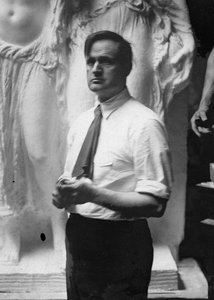
James Earle Fraser

James Earle Fraser

1876 - 1953 , Stati Uniti d'America

Informazioni rapide

  • Artisti Che Lo Influenzarono: ['Augustus Saint-Gaudens']
  • Data Di Morte: 11 ottobre 1953
  • Data Di Nascita: 4 novembre 1876
  • Luogo Di Nascita: Winona, USA
  • Movimento Artistico: Realismo, Impressionismo
  • Nazionalità: Americana
  • Nome Completo: James Earle Fraser
  • Opere Notevoli:
    • End of the Trail
    • Buffalo Nickel