Anteprima in scala reale Prova in AR Ordina la riproduzione dipinta a mano Passa all'immagine digitale Condividi
Dettagli Guida stampabile Aggiungi ai preferiti Scarica Articoli simili Radiografia Slideshow Statistiche

Charity

Jacques Blanchard’s "Charity" (1637) – a stunning Baroque oil painting of a nude woman & child. Explore this classical masterpiece's beauty, symbolism & rich details.

Scopri Jacques Blanchard (1600-1638), pittore barocco francese celebre per scene religiose e mitologiche, soggetti sensuali come 'Baccanale' e colorismo veneziano, influenzato da Tiziano e Veronese.

Giclée / Stampe d'arte

Stampa giclée o su tela di qualità museale, con produzione rapida e diverse opzioni di finitura. ( Ordina la riproduzione dipinta a mano Passa all'immagine digitale)

Corner sample of the P118B picture frame: polistirene stampato, 5 cm wide and 3 cm thick
P118B €10
Corner sample of the P118H picture frame: polistirene stampato, 5 cm wide and 3 cm thick
P118H €10
Corner sample of the P118W picture frame: polistirene stampato, 5 cm wide and 3 cm thick
P118W €10
Corner sample of the P438Z picture frame: polistirene stampato, 5.5 cm wide and 3.5 cm thick
P438Z €10
Corner sample of the P508JH picture frame: polistirene stampato, 7 cm wide and 3.5 cm thick
P508JH €12
Corner sample of the P508YH picture frame: polistirene stampato, 7 cm wide and 3.5 cm thick
P508YH €12
Corner sample of the P805H picture frame: polistirene stampato, 5 cm wide and 3.5 cm thick
P805H €10
Corner sample of the P805Z picture frame: polistirene stampato, 5 cm wide and 3.5 cm thick
P805Z €10
Corner sample of the P919BZ picture frame: polistirene stampato, 7 cm wide and 3.5 cm thick
P919BZ €10
Corner sample of the P919G picture frame: polistirene stampato, 7 cm wide and 3.5 cm thick
P919G €10
Corner sample of the P919XJ picture frame: polistirene stampato, 7 cm wide and 3.5 cm thick
P919XJ €10
Corner sample of the P959ZH picture frame: polistirene stampato, 5 cm wide and 3 cm thick
P959ZH €10
Corner sample of the P968JZ picture frame: polistirene stampato, 6 cm wide and 4 cm thick
P968JZ €12
Corner sample of the W106C picture frame: legno massello, 5 cm wide and 3 cm thick
W106C €8
Corner sample of the W218G picture frame: legno massello, 5 cm wide and 3 cm thick
W218G €10
Corner sample of the W218JH picture frame: legno massello, 5 cm wide and 3 cm thick
W218JH €8
Corner sample of the W218Y picture frame: legno massello, 5 cm wide and 3 cm thick
W218Y €10
Corner sample of the W307PJ picture frame: legno massello, 6 cm wide and 3 cm thick
W307PJ €10
Corner sample of the W316G picture frame: legno massello, 6 cm wide and 3 cm thick
W316G €10
Corner sample of the W316PJ picture frame: legno massello, 6 cm wide and 3 cm thick
W316PJ €8
Corner sample of the W316Y picture frame: legno massello, 6 cm wide and 3 cm thick
W316Y €10
Corner sample of the W398PJ picture frame: legno massello, 5 cm wide and 3 cm thick
W398PJ €8
Corner sample of the W4111J picture frame: legno massello, 6.5 cm wide and 3.5 cm thick
W4111J €10
Corner sample of the W500HY picture frame: legno massello, 7 cm wide and 5 cm thick
W500HY €15
Corner sample of the W500JH picture frame: legno massello, 7 cm wide and 5 cm thick
W500JH €15
Corner sample of the W692G picture frame: legno massello, 8 cm wide and 4 cm thick
W692G €12
Corner sample of the W849H picture frame: legno massello, 5 cm wide and 3 cm thick
W849H €8
Corner sample of the W940BG picture frame: legno massello, 7.5 cm wide and 4.5 cm thick
W940BG €15
Corner sample of the W953PJ picture frame: legno massello, 6 cm wide and 3.5 cm thick
W953PJ €8

Standard
personalizzato
CM
INCH

Scegli tra le nostre dimensioni predefinite, che rispettano le proporzioni originali dell'opera d'arte.

larghezza
altezza

Inserisci la larghezza e l'altezza desiderate, per adattarle alla tua cornice o alla tua parete. Una stampa può essere solo ritagliata, mai resa più grande dell'immagine originale; pertanto, un formato con una forma differente comporterà la perdita di una parte dell'opera. Ti invieremo un mockup digitale da approvare prima di procedere con la stampa. L'immagine mostrata in questa pagina non rappresenta il ritaglio reale — solo il mockup lo mostra.

Consegna in tutto il mondo () in 2 settimane invece delle normali 4/5 settimane. (24 Ottobre)

Spedizione espressa gratuita in tutto il mondo
Tela in lino di alta qualità
Assicurazione completa sulla spedizione
Garanzia di rimborso dei dazi doganali
Garanzia di perfetta fedeltà cromatica
Politica di reso entro 100 giorni (solo per difetti di fabbricazione)
Garanzia di rimborso al 100%
Sconto per acquisti multipli

Prezzo totale

€ 60

Charity

Giclée / Stampe d'arte

Dimensioni della riproduzione

-

Prezzo totale

€ 60

Dettagli rapidi

  • Artist: Jacques Blanchard
  • Dimensions: 107 x 84 cm
  • Influences: Nicolas Baullery
  • Artistic style: Classical
  • Location: The Courtauld, London
  • Notable elements or techniques: Dramatic lighting; Layered brushstrokes

Quiz d'arte

Per ogni domanda è presente una sola risposta corretta.

Domanda 1:
What artistic movement is Jacques Blanchard’s ‘Charity’ primarily associated with?
Domanda 2:
The image description mentions a shallow depth of field. What does this technique achieve in the artwork?
Domanda 3:
What is symbolized by the depiction of children playing in the landscape?
Domanda 4:
According to the description, what material was used to create ‘Charity’?
Domanda 5:
What is a notable characteristic of Blanchard's artistic style as described in the biography?

A Vision of Tenderness: The Baroque Grace of Jacques Blanchard

In the heart of the seventeenth century, amidst the burgeoning splendor of the French Baroque, Jacques Blanchard captured a moment of profound intimacy that transcends time. His masterpiece, Charity, is not merely a depiction of a woman and child; it is an evocative window into the soul of maternal devotion. As one gazes upon this oil on canvas, created in 1637, the viewer is immediately enveloped by a sense of warmth and quiet sanctity. The composition centers around the tender embrace of a nude woman and her infant, positioned within a grand, architectural setting that suggests the timelessness of Roman antiquity. Through his masterful use of light and shadow, Blanchard invites us into a private sanctuary, where the boundaries between the earthly and the divine seem to dissolve.

The technical brilliance of Blanchard lies in his ability to marry the dramatic intensity of the Baroque style with a soft, almost lyrical sensuality. The painting is characterized by a sophisticated interplay of light, originating from an unseen source above and to the right, which cascades over the figures to highlight the delicate textures of skin and the heavy, flowing folds of drapery. His technique involves a meticulous layering of brushstrokes, building up volume and form to create a surface that feels tactile and alive. While the architectural elements—the receding arches and sturdy columns—provide a geometric stability to the piece, the organic, fluid lines of the human forms introduce a rhythmic grace. This contrast between the permanence of stone and the fleeting softness of flesh creates a captivating visual tension that draws the eye deeper into the frame.

Beyond its aesthetic allure, Charity serves as a powerful allegorical statement. In the tradition of Neoclassical and Baroque art, the subject matter transcends the individual to represent the universal virtue of Caritas—divine love and selfless protection. The way the woman cradles the child symbolizes the nurturing essence of grace and the vulnerability of life held within the strength of devotion. The color palette, rich with warm ochres, deep browns, and earthy reds, evokes a sense of groundedness and comfort, while subtle hints of cool blues in the distant sky offer a breath of celestial lightness. For the discerning collector or interior designer, this piece offers more than just decoration; it provides an emotional anchor for a room, bringing a sense of historical depth, classical elegance, and a profound, quiet dignity to any curated space.

Domande e risposte

A quale emozione è associata "Charity"?

"Charity" di Jacques Blanchard trasmette un tono emotivo Melancholic.

Come è strutturata la composizione cromatica di "Charity" di Jacques Blanchard?

L'analisi cromatica di "Charity" di Jacques Blanchard registra un Gentle contrasto e una Strong Color Unity armonia.

Quale tecnica è stata utilizzata per "Charity" di Jacques Blanchard?

La tecnica utilizzata per "Charity" di Jacques Blanchard è Oil On Canvas. Le riproduzioni mirano a restituire l'aspetto di questa tecnica.


Biografia dell'artista

Jacques Blanchard: Una Vita nella Pittura Barocca

  • Nato: Parigi, Francia (1600)
  • Morto: 1638

Jacques Blanchard (ca. 1560–1630) fu un significativo pittore francese barocco la cui carriera attraversò il vibrante panorama artistico della prima metà del XVII secolo. Sebbene la sua produzione fosse prolifica, i dettagli biografici sulla sua vita giovanile rimangono scarsi. Proveniva da una famiglia di artisti; suo fratello, Jean-Baptiste Blanchard (dopo il 1602–1665), e suo figlio, Gabriel Blanchard (1630–1704), erano anch'essi pittori, contribuendo a un’eredità familiare nel mondo dell'arte.

Formazione Iniziale e Influenze

Il percorso artistico di Blanchard iniziò con un apprendistato nello studio parigino del suo zio materno, Nicolas Baullery (c. 1550/60–1630). Questo addestramento fondamentale gli fornì una solida base nelle tecniche classiche. Nel 1618, viaggiò a Lione e lavorò sotto Horace le Blanc, dimostrando una precoce promessa che portò Blanchard a completare diverse opere lasciate incompiute da Le Blanc al suo trasferimento a Parigi nel 1623, tra cui la notevole "Vergine con il Bambino e un Vescovo e una Donna che Tiene un Infante".

Soggiorno Italiano e Maturazione Artistica

Un periodo cruciale nello sviluppo di Blanchard avvenne durante i suoi viaggi in Italia. Nell'ottobre 1624, intraprese un viaggio a Roma insieme al suo fratello Jean, immergendosi nel milieu artistico dell'epoca. Incontrò figure importanti come Simon Vouet, Jacques Stella, Claude Mellan e Nicolas Poussin. Intorno ad Aprile o Maggio 1626, Blanchard continuò i suoi viaggi verso Venezia, dove rimase per due anni. Fu qui che il suo stile maturò veramente, fortemente influenzato dai maestri veneziani come Tiziano, Tintoretto e in particolare Veronese.

  • Influenza Veneziana: Blanchard adottò magistralmente la tavolozza biondo argentea di Veronese e l'uso della luce limpida nei suoi soggetti religiosi e mitologici.
  • Temi da Ovidio: Si suggerisce che durante questo periodo abbia raffigurato scene dalle Metamorfosi di Ovidio, tra cui opere come "Gli Amori di Venere e Adone" create per Carlo Emanuele I, Duca di Savoia a Torino.

Ritorno in Francia e Realizzazioni Artistiche

Tornato in Francia nel 1629, Blanchard si affermò come una figura guida nella pittura francese negli anni Trenta del Seicento. La sua opera si distinse per la sua materia sensuale e il suo stile unico.

  • Prima Commissione: La sua prima opera datata importante fu "La Vergine con il Bambino che consegna le Chiavi a San Pietro" (1629) nella Cattedrale di Albi, mostrando influenze bolognesi nei dettagli del viso pur mantenendo una sensibilità veneziana.
  • Decorazione dell'Hôtel le Barbier: Tra il 1631 e il 1632, si dedicò alla decorazione dell'Hôtel le Barbier, comprendente quattordici composizioni mitologiche e letterarie (anche se queste opere non sopravvivono).
  • Opere Notabili: Blanchard è ricordato per le sue versioni di "Carità", raffigurante una giovane donna con bambini, che dimostrano tenerezza nella gestione del colore. La sua “Bacco a Nancy” esemplifica la sua esplorazione di temi sensuali.

Eredità e Significato Storico

I contributi di Jacques Blanchard alla pittura barocca francese sono significativi. Charles Perrault lo soprannominò famosamente il "Tiziano della Francia", mentre André Félibien gli attribuì il merito di aver reintrodotto le bon goût (il buon gusto) nell'arte francese. Conciliò abilmente le influenze del classicismo bolognese e del colorismo veneziano, forgiando in definitiva il suo stile distintivo. La sensibilità di Blanchard per il colore, la luce e la materia – spesso orientata verso il sensuale e il mitologico – lo stabilì come una figura chiave nello sviluppo della pittura francese del XVII secolo.

  • Influenze Chiave: Tiziano, Tintoretto, Veronese
  • Stile Distintivo: Un mix di precisione bolognese e colorismo veneziano.
Jacques Blanchard

Jacques Blanchard

1600 - 1638 , Francia

Informazioni rapide

  • Artistic Movement Or Style: Barocco francese
  • Artists Who Influenced This Artist:
    • Tiziano
    • Tintoretto
    • Veronese
  • Date Of Birth: 1600
  • Date Of Death: 1638
  • Full Name: Jacques Blanchard
  • Nationality: Francese
  • Notable Artworks:
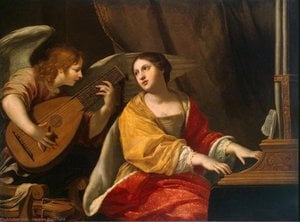
    • St Cecilia
    • Carità
    • La Flagellazione
  • Place Of Birth: Parigi, Francia
Esplora le opere d'arte organizzate per temi, stili e caratteristiche.