


 Olio su telaOpere da pareteRomantic Landscape
 1775Early Modern
 91.0 x 121.0 cm
 National Gallery of Art
Stampa giclée o su tela di qualità museale, con produzione rapida e diverse opzioni di finitura. ( Acquista il dipinto realizzato a mano Acquista immagine)





























Scegli tra le nostre dimensioni predefinite, che rispettano le proporzioni originali dell'opera d'arte.

È possibile inserire dimensioni personalizzate per adattare l'opera a una cornice o a uno spazio specifico. Se la dimensione selezionata non corrisponde alle proporzioni dell'immagine originale, procederemo al ritaglio dell'opera o all'estensione dell'immagine con un bordo specchiato o a tinta unita. Un mockup digitale ti verrà inviato per approvazione prima dell'inizio della produzione.
Si prega di notare che l'anteprima a schermo non riflette il ritaglio o l'estensione effettivi. Solo il mockup mostrerà accuratamente la composizione finale.
Sebbene siano disponibili dimensioni personalizzate, si raccomanda di selezionare una dimensione dall'elenco predefinito per preservare le proporzioni originali.
Consegna in tutto il mondo () in 2 settimane invece delle normali 4/5 settimane. (6 Settembre)


The Ponte Solario
Dimensioni riproduzione
Hubert Robert’s “The Ponte Solario,” completed in 1775, stands as a cornerstone of Romantic landscape painting—a genre that prioritized emotion and imagination over strict adherence to classical ideals. More than just a depiction of crumbling stone and weathered timbers, the canvas embodies Robert's fascination with ruins as symbols of time’s relentless passage and the sublime beauty inherent in decay.
The painting portrays a magnificent castle perched atop a rocky promontory overlooking a tranquil lake. A graceful bridge spans across the water, connecting the castle to the shore—a deliberate compositional element that reinforces the sense of grandeur juxtaposed with vulnerability. Scattered boats dot the surface of the lake, adding dynamism and hinting at human presence within this desolate landscape.
Robert’s approach aligns closely with the burgeoning Romantic movement, anticipating elements of Impressionism decades before its formal emergence. He eschewed meticulous detail in favor of capturing fleeting atmospheric effects—the diffused light filtering through mist, the subtle gradations of color reflecting off the stone surfaces. Robert skillfully employed a technique known as “plein air” painting, venturing outdoors to directly observe and render the natural world, prioritizing immediacy and sensory experience.
Robert's work emerged during the waning years of the Enlightenment, a period characterized by rational thought and scientific inquiry. However, Robert actively resisted these dominant intellectual currents, embracing instead the emotional power of imagination and memory—themes central to Romantic aesthetics. He drew inspiration from the ruins of Roman temples and villas, reflecting a broader cultural preoccupation with antiquity and its perceived moral lessons. The painting speaks to a yearning for beauty amidst ruin, mirroring anxieties about mortality and the inevitable decline of civilization.
Robert’s masterful use of light and shadow elevates decay beyond mere physical deterioration; it becomes an emblem of spiritual transformation. The crumbling castle represents not just structural weakness but also the fading glory of aristocratic power—a poignant commentary on societal change. Yet, the pervasive luminescence imbues the scene with a sense of serenity and wonder, suggesting that even in ruin, beauty persists—a profound meditation on the cyclical nature of existence.
"The Ponte Solario" evokes a powerful emotional response in viewers. Its melancholic atmosphere invites contemplation on themes of loss, remembrance, and acceptance. The painting’s luminous palette captures the sublime grandeur of nature while simultaneously conveying a sense of poignant solitude—a testament to Robert's ability to translate complex psychological ideas into visually arresting imagery.

Hubert Robert fu un pittore francese celebrato per i suoi suggestivi paesaggi e dipinti a *capriccio*—rappresentazioni pittoresche semi-fittizie di rovine in Italia e Francia. È considerato una figura chiave che colma il divario tra i periodi Rococò e Neoclassico, anticipando aspetti del Romanticismo con la sua fascinazione per il decadimento, la storia e le ricostruzioni immaginarie.
Nicolas Robert, padre di Hubert, servì François-Joseph de Choiseul, marchese de Stainville. Robert ricevette un'istruzione gesuita al Collège de Navarre nel 1751. Successivamente studiò scultura con Michel-Ange Slodtz, che lo incoraggiò a dedicarsi alla pittura. Questa formazione iniziale gli instillò una solida base in disegno e prospettiva, elementi cruciali che avrebbero poi definito il suo stile artistico.
Il suo periodo a Roma plasmò profondamente la visione artistica di Robert. La giustapposizione delle antiche rovine romane con la vita contemporanea scatenò il suo interesse nel rappresentare il decadimento insieme alla vitalità, un tema ricorrente in tutta la sua carriera.
Il successo parigino di Robert derivò dalla sua capacità di catturare sia la grandezza dell'antichità classica che la vivacità della vita contemporanea. Le sue opere risuonarono con il pubblico affascinato dalla storia, dall'archeologia e dal pittoresco.
L'eredità di Hubert Robert risiede nella sua capacità unica di fondere accuratezza storica con visione immaginativa. Pioniere di un genere di pittura che celebrava sia la bellezza del decadimento che il potere duraturo della creatività umana. La sua opera continua a ispirare artisti e affascinare il pubblico, consolidando il suo posto come figura significativa nell'arte del XVIII secolo.
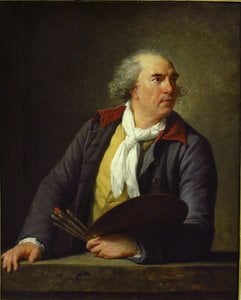
1733 - 1808 , Francia

Explore the profound emotional power of Romantic landscape art. Discover how masters like Friedrich captured the sublime through breathtaking nature, and learn to curate these evocative masterpieces for your luxury interior collection.

 Anteprima in scala reale
 Invia
Invia Condividi
 Dettagli opera

 Scarica immagine
 Simili
 Radiografia
 Slideshow
 Espandi i dettagli







 L'opzione vetro è disponibile solo per dimensioni inferiori a 110 cm


