Stampa giclée o su tela di qualità museale, con produzione rapida e diverse opzioni di finitura. ( Acquista il dipinto realizzato a mano Passa all'immagine digitale)





























Scegli tra le nostre dimensioni predefinite, che rispettano le proporzioni originali dell'opera d'arte.

Inserisci la larghezza e l'altezza desiderate, per adattarle alla tua cornice o alla tua parete. Una stampa può essere solo ritagliata, mai resa più grande dell'immagine originale; pertanto, un formato con una forma differente comporterà la perdita di una parte dell'opera. Ti invieremo un mockup digitale da approvare prima di procedere con la stampa. L'immagine mostrata in questa pagina non rappresenta il ritaglio reale — solo il mockup lo mostra.
Consegna in tutto il mondo () in 2 settimane invece delle normali 4/5 settimane. (8 Novembre)
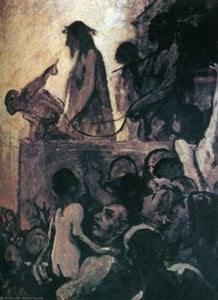
Ecce Homo
Dimensioni riproduzione
A metà del XIX secolo, mentre il mondo iniziava a mutare sotto il peso dell'industrializzazione e dei fermenti politici, Honoré Daumier catturò un momento di profonda tensione spirituale e sociale. Il suo capolavoro del 1850, Ecce Homo, è molto più di una semplice illustrazione biblica; è un incontro viscerale con l'essenza della sofferenza umana. Il dipinto immortala l'istante straziante in cui Ponzio Pilato presenta un Gesù Cristo martoriato a una folla giudicante, pronunciando le fatidiche parole: "Ecco l'uomo". Attraverso il suo sguardo implacabile, Daumier spoglia l'iconografia religiosa dei suoi strati dorati e idealizzati, sostituendoli con un realismo crudo e pesante che costringe lo spettatore a confrontarsi con la scomoda verità dell'ingiustizia e il peso della condanna collettiva.
La composizione è una lezione magistrale di profondità psicologica e tensione drammatica. Daumier utilizza una tecnica profondamente radicata nella tradizione del chiaroscuro, un metodo che perfezionò studiando i contrasti drammatici di luce e ombra di maestri come Rubens. Questo intreccio tra chiaro e scuro non si limita a illuminare la scena; esso scolpisce le emozioni stesse delle figure. Un bagliore luminoso, quasi etereo, circonda la figura centrale di Cristo, eppure questa luce non offre conforto: serve invece a sottolineare la sua isolazione contro uno sfondo di volti cupi e ombrosi. La folla non è un'entità monolitica, ma una collezione di sguardi individuali: alcuni sono carichi di scherno, altri di un'osservazione silenziosa e inquietante, creando la sensazione che lo spettatore si trovi lì, tra la polvere e il calore del processo romano.
Dal punto di vista tecnico, Ecce Homo mette in mostra l'straordinaria maestria di Daumier nell'uso dell'olio su tela. La sua pennellata evita la superficiale grazia dell'epoca, optando invece per un'applicazione materica e robusta che rispecchia la durezza del soggetto. La tavolozza è dominata da toni terrosi e sobri — bruni profondi, ocra smorzati e ombre pesanti — che ancorano l'evento divino a una realtà tangibile e terrena. Questo impegno verso il Realismo permette al dipinto di trascendere il suo periodo storico, diventando un simbolo universale di compassione in mezzo alla crudeltà. Per il collezionista o l'amante dell'arte, quest'opera offre un profondo senso di gravità, rendendola un elemento cardine per qualsiasi interno sofisticato.
Per chi desidera integrare un'opera così potente in uno spazio curato, Ecce Homo funge da magnifico punto focale. La sua capacità di catturare l'attenzione attraverso la complessità tonale e il peso emotivo lo rende ideale per gallerie o studi dove l'arte è destinata a provocare riflessione e dialogo. Una riproduzione di alta qualità di quest'opera preserva le sottili sfumature delle ombre di Daumier e le linee crude ed espressive del suo tratto, permettendo alla bellezza inquietante di questo trionfo del XIX secolo di respirare in un contesto moderno. È un invito a guardare più da vicino, a sentire il peso della storia e a trovare la bellezza nelle rappresentazioni più oneste della condizione umana.
Honoré Daumier ha utilizzato la tecnica del Olio su tela per "Ecce Homo". La tecnica definisce la natura materica dell'opera originale.
"Ecce Homo" di Honoré Daumier è descritto come Drammatico per atmosfera. Questa classificazione può aiutare ad abbinare l'opera a un ambiente.
"Ecce Homo" di Honoré Daumier unisce la tecnica Olio su tela allo stile Realismo Contemporaneo. La tecnica e il movimento definiscono la realizzazione e l'estetica dell'opera.

Honoré Victorin Daumier, nato a Marsiglia il 26 febbraio 1808 e morto a Parigi il 10 o 11 dicembre 1879, è stato un artista francese prolifico, noto per le sue caricature satiriche, i suoi dipinti e le sue sculture. La sua opera offre uno spaccato vivido della vita sociale e politica in Francia durante il XIX secolo.
Daumier nacque in una famiglia modesta; suo padre era un poeta e glasiatore. Trascorse la sua infanzia a Marsiglia, per poi trasferirsi con la famiglia a Parigi nel 1814. Iniziò presto a lavorare come garzone presso uno studio di notaio, ma trovò il tempo per dedicarsi al disegno. Studiò con Alexandre Lenoir e frequentò l'Académie Suisse, dove affinò le sue capacità artistiche. Si appassionò alla scultura classica e all’opera di Rubens e Tiziano.
Daumier iniziò la sua carriera artistica producendo illustrazioni e caricature anonime per diverse pubblicazioni. Nel 1830, dopo la Rivoluzione di Luglio, divenne un collaboratore regolare de *La Caricature*, un giornale satirico che gli offrì una piattaforma per esprimere le sue opinioni politiche. Le sue opere, spesso critiche nei confronti della monarchia di Luigi Filippo e dell'aristocrazia, lo resero popolare ma anche controverso.
Lo stile di Daumier è caratterizzato da una combinazione unica di realismo, caricatura e critica sociale. I suoi dipinti e le sue litografie sono notevoli per la loro capacità di catturare l'essenza della vita parigina del XIX secolo, con particolare attenzione alle classi lavoratrici e ai marginali.
Daumier ha lasciato un'eredità artistica vasta e significativa. Tra le sue opere più importanti si ricordano:
Nonostante non abbia ricevuto un ampio riconoscimento durante la sua vita, Daumier è oggi considerato uno dei più grandi artisti francesi del XIX secolo. La sua opera ha influenzato profondamente numerosi pittori impressionisti e post-impressionisti, come Degas, Manet e Toulouse-Lautrec. La sua capacità di combinare l'arte con un forte impegno sociale lo rende ancora oggi un artista rilevante e stimolante.

1808 - 1879 , Francia

Scopri la chimica e la tecnica del buon fresco per design di lusso. Approfondisci il segreto della pittura che diventa architettura.

Explore the profound mastery of fresco painting, from the technical alchemy of buon fresco to the legendary narratives of Renaissance masters like Ghirlandaio. Discover how this timeless medium shaped art history and continues to inspire architectural grandeur today.
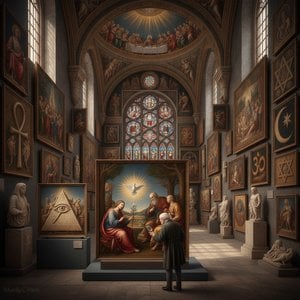
Explore the profound power of religious symbolism in art history. From Renaissance masterpieces to sacred iconography, uncover the hidden meanings behind divine details in a deep dive into classical art excellence.
 Anteprima in scala reale
 Invia
Invia Condividi
 Dettagli opera
 Guida
Guida

 Scarica
 Simili
 Radiografia
 Slideshow
 Domande e risposte
 Statistiche


 Espandi i dettagli









 L'opzione vetro è disponibile solo per dimensioni inferiori a 110 cm