Anteprima in scala reale Prova in AR Passa alle stampe Passa all'immagine digitale Condividi
Dettagli Guida stampabile Aggiungi ai preferiti Scarica Articoli simili Radiografia Slideshow Statistiche

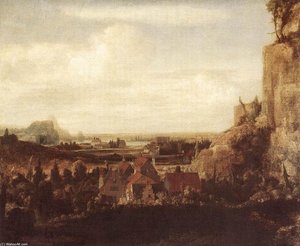
Two Trees

Explore Hercules Seghers' masterpiece 'Two Trees,' a stunning baroque etching depicting two majestic trees against a serene blue sky, housed at the Rijksmuseum in Amsterdam.

Scopri Hercules Seghers (1590-1638), pittore e incisore del Secolo d'Oro olandese! Esplora i suoi paesaggi innovativi, le tecniche sperimentali e la visione artistica unica.

Riproduzione a olio fatta a mano

Olio su tela dipinto a mano nelle tue dimensioni e con la tua cornice, realizzato su ordinazione dai nostri artisti. ( Passa alle stampe Passa all'immagine digitale)

Corner sample of the P118B picture frame: polistirene stampato, 5 cm wide and 3 cm thick
P118B 10
Corner sample of the P118H picture frame: polistirene stampato, 5 cm wide and 3 cm thick
P118H 10
Corner sample of the P118W picture frame: polistirene stampato, 5 cm wide and 3 cm thick
P118W 10
Corner sample of the P438Z picture frame: polistirene stampato, 5.5 cm wide and 3.5 cm thick
P438Z 10
Corner sample of the P508JH picture frame: polistirene stampato, 7 cm wide and 3.5 cm thick
P508JH 12
Corner sample of the P508YH picture frame: polistirene stampato, 7 cm wide and 3.5 cm thick
P508YH 12
Corner sample of the P805H picture frame: polistirene stampato, 5 cm wide and 3.5 cm thick
P805H 10
Corner sample of the P805Z picture frame: polistirene stampato, 5 cm wide and 3.5 cm thick
P805Z 10
Corner sample of the P919BZ picture frame: polistirene stampato, 7 cm wide and 3.5 cm thick
P919BZ 10
Corner sample of the P919G picture frame: polistirene stampato, 7 cm wide and 3.5 cm thick
P919G 10
Corner sample of the P919XJ picture frame: polistirene stampato, 7 cm wide and 3.5 cm thick
P919XJ 10
Corner sample of the P959ZH picture frame: polistirene stampato, 5 cm wide and 3 cm thick
P959ZH 10
Corner sample of the P968JZ picture frame: polistirene stampato, 6 cm wide and 4 cm thick
P968JZ 12
Corner sample of the W106C picture frame: legno massello, 5 cm wide and 3 cm thick
W106C 8
Corner sample of the W218G picture frame: legno massello, 5 cm wide and 3 cm thick
W218G 10
Corner sample of the W218JH picture frame: legno massello, 5 cm wide and 3 cm thick
W218JH 8
Corner sample of the W218Y picture frame: legno massello, 5 cm wide and 3 cm thick
W218Y 10
Corner sample of the W307PJ picture frame: legno massello, 6 cm wide and 3 cm thick
W307PJ 10
Corner sample of the W316G picture frame: legno massello, 6 cm wide and 3 cm thick
W316G 10
Corner sample of the W316PJ picture frame: legno massello, 6 cm wide and 3 cm thick
W316PJ 8
Corner sample of the W316Y picture frame: legno massello, 6 cm wide and 3 cm thick
W316Y 10
Corner sample of the W398PJ picture frame: legno massello, 5 cm wide and 3 cm thick
W398PJ 8
Corner sample of the W4111J picture frame: legno massello, 6.5 cm wide and 3.5 cm thick
W4111J 10
Corner sample of the W500HY picture frame: legno massello, 7 cm wide and 5 cm thick
W500HY 15
Corner sample of the W500JH picture frame: legno massello, 7 cm wide and 5 cm thick
W500JH 15
Corner sample of the W692G picture frame: legno massello, 8 cm wide and 4 cm thick
W692G 12
Corner sample of the W849H picture frame: legno massello, 5 cm wide and 3 cm thick
W849H 8
Corner sample of the W940BG picture frame: legno massello, 7.5 cm wide and 4.5 cm thick
W940BG 15
Corner sample of the W953PJ picture frame: legno massello, 6 cm wide and 3.5 cm thick
W953PJ 8

Standard
personalizzato
CM
INCH

Scegli tra le nostre dimensioni predefinite, che rispettano le proporzioni originali dell'opera d'arte.

larghezza
altezza

Inserisci la larghezza e l'altezza di cui hai bisogno, per adattarle alla tua cornice o alla tua parete. Trattandosi di un'opera dipinta a mano, in caso di dimensioni con una forma differente, l'artista può dipingere un po' più oltre i bordi dell'immagine o ritagliare leggermente — la scelta spetta a te. Ti invieremo un mockup digitale da approvare prima che la pittura abbia inizio. L'immagine mostrata in questa pagina non rappresenta il risultato reale — solo il mockup lo fa.

Esempi di personalizzazione: sostituire il volto con una foto del cliente; aggiungere un animale domestico (ad esempio, sostituire un gatto con un cane); inserire un messaggio nascosto nello sfondo; cambiare il paesaggio o gli elementi dello sfondo.
Dopo l'ordine, il team di WahooArt.com contatterà il cliente via e-mail per ricevere le istruzioni e fornirà un'anteprima del mockup

Consegna in tutto il mondo () in 3/4 settimane anziché nelle normali 5 settimane. (22 Ottobre). Nessun compromesso sulla qualità.

Spedizione espressa gratuita in tutto il mondo
Tela in lino di alta qualità
Assicurazione completa sulla spedizione
Garanzia di rimborso dei dazi doganali
Garanzia di perfetta fedeltà cromatica
Politica di reso entro 100 giorni (solo per difetti di fabbricazione)
Garanzia di rimborso al 100%
Sconto per acquisti multipli

Prezzo totale

€ 238

Two Trees

Tecnica di riproduzione

Dimensioni della riproduzione

-

Prezzo totale

€ 238

Dettagli rapidi

  • Year: 1625
  • Notable elements or techniques: Innovative printmaking
  • Location: Rijksmuseum, Amsterdam
  • Subject or theme: Trees and Woods
  • Dimensions: 155 x 173 cm
  • Artistic style: Landscape

Quiz d'arte

Per ogni domanda è presente una sola risposta corretta.

Domanda 1:
What artistic movement is Hercules Seghers’s ‘Two Trees’ associated with?
Domanda 2:
Where is the painting 'Two Trees' currently housed?
Domanda 3:
What technique did Hercules Seghers primarily employ in creating this artwork?
Domanda 4:
The etching 'Two Trees' exemplifies a characteristic feature of landscape painting during the Golden Age of Dutch Art. What is that feature?
Domanda 5:
Who was Hercules Seghers’s influential teacher in landscape painting?

Hercules Seghers’ Two Trees: A Vision of Tranquility Amidst Alpine Majesty

Hercules Pieterszoon Seghers (1590 – c. 1638) stands as a singular figure in the Dutch Golden Age landscape tradition, celebrated for his audacious experimentation with printmaking and his ability to capture the sublime beauty of mountainous vistas. “Two Trees,” created around 1625, exemplifies this distinctive approach—a masterful etching that transcends mere depiction to convey an atmosphere of profound serenity and spiritual contemplation.

The artwork presents a meticulously rendered scene featuring two trees positioned prominently in the center of the composition. One tree is mature and robust, its branches laden with dense foliage, while the other is younger, displaying delicate twigs emerging from the trunk—a subtle gesture hinting at regeneration and resilience. The trees are set against a backdrop of towering alpine peaks bathed in soft, diffused light, creating an illusion of depth that draws the viewer’s eye upwards into the expansive sky.

Seghers' technique is remarkable for its departure from conventional methods. Unlike many artists of his time who relied solely on black ink to achieve tonal effects, Seghers skillfully employed a combination of etching and aquatint—a process involving multiple plates inked with varying degrees of opacity—to produce nuanced gradations of color. The use of azurite and precipitated yellow lake pigments lends the image an ethereal quality, capturing the subtle hues of twilight and enhancing the overall impression of grandeur.

The etching’s historical context is crucial to understanding its significance. Produced during a period marked by intellectual ferment and artistic innovation—the Baroque era—“Two Trees” reflects the burgeoning interest in exploring themes of spirituality and contemplation within the natural world. Seghers' inspiration drew heavily from Flemish landscape painters like Abraham van Ouhibbee, who had pioneered the depiction of dramatic mountainscapes infused with religious symbolism.

More than just a visual representation of scenery, “Two Trees” embodies a philosophical stance rooted in humanist ideals. The tree imagery—particularly the young sapling—represents hope and renewal, mirroring the broader humanist preoccupation with the cyclical nature of life and the enduring power of beauty to uplift the human spirit. Its placement against the majestic Alps underscores the grandeur of God’s creation and invites viewers to contemplate the sublime.

Currently housed at the Rijksmuseum in Amsterdam, “Two Trees” remains a testament to Seghers' artistic genius—a timeless masterpiece that continues to inspire admiration for its technical virtuosity and emotional resonance. It serves as an enduring reminder of the Dutch Golden Age’s fascination with capturing the sublime beauty of nature and conveying profound spiritual truths.

Domande e risposte

Che livello di saturazione e intensità presenta "Two Trees" di Ercole Segers?

Il colore di "Two Trees" presenta una saturazione di Balanced Soft e un'intensità di Vivid.

Di cosa è fatto "Two Trees" e in quale stile è realizzato?

"Two Trees" è realizzata in Etching, nello stile Baroque.

Posso vedere "Two Trees" di Ercole Segers sotto diverse luci?

La vista a raggi X di "Two Trees" di Ercole Segers è disponibile nella pagina Raggi X dell'opera: un esame interattivo dell'immagine attraverso undici strati ottici.


Biografia dell'artista

Hercules Seghers: Una Vita tra Paesaggi e Stampa

  • Nato: Haarlem, Paesi Bassi (c. 1590)
  • Morto: c. 1638

Primi Anni e Formazione

  • Hercules Pieterszoon Seghers nacque a Haarlem, figlio di un mercante mennonita di stoffe originario delle Fiandre.
  • Nel 1596, la sua famiglia si trasferì ad Amsterdam.
  • Fu apprendista di Gillis van Coninxloo, un importante paesaggista fiammingo, ma questo apprendistato fu interrotto dalla morte di Coninxloo nel 1606. Seghers e suo padre acquisirono diverse opere di Coninxloo dopo la scomparsa dell'artista.
  • Dopo la morte del padre nel 1612, tornò a Haarlem e si unì alla Gilda di San Luca di Haarlem.

Sviluppo Artistico e Stile

  • Seghers è riconosciuto come "il paesaggista più ispirato, sperimentale e originale" del suo periodo, particolarmente noto per le sue innovative tecniche di stampa.
  • I suoi dipinti spesso presentano fantastiche composizioni montuose con un'ampia vista orizzontale, enfatizzando la terra rispetto al cielo.
  • Sperimentò estensivamente con l'incisione, utilizzando punte secche, acquatinta (incluso la tecnica della "bocca dolce") e altri metodi per creare effetti testuali unici.
  • Le sue stampe sono caratterizzate dall'uso di carta o tessuto colorato, inchiostri colorati e colorazione a mano, ottenendo spesso miniature dipinte.
  • Il suo stile mostra l'influenza di artisti precedenti come Joos de Momper e Gillis van Coninxloo.

Realizzazioni Principali e Innovazioni

  • Innovativa Stampa: Il contributo più significativo di Seghers risiede nelle sue tecniche sperimentali di stampa, in particolare l'acquatinta a bocca dolce. Questa tecnica fu successivamente riscoperta in Inghilterra.
  • Paesaggi Unici: I suoi paesaggi sono caratterizzati dalla loro austerità, originalità e spesso qualità ultraterrena. Rappresentava formazioni rocciose che assomigliavano a terreni alieni.
  • Influenza su Rembrandt: Rembrandt collezionò opere di Seghers e rielaborò elementi dei suoi dipinti e incisioni nelle sue composizioni, dimostrando l'impatto significativo dello stile di Seghers.
  • Diverse Impressioni: A differenza di molti incisori del suo tempo, Seghers produsse più impressioni di ogni matrice, variando i loro schemi di colore e aggiungendo colorazione a mano per creare opere d'arte uniche.

Significato Storico

  • Il lavoro di Seghers fu molto apprezzato durante la sua vita, anche se affrontò difficoltà finanziarie più tardi nella vita.
  • L'*Inleyding tot de hooge schoole der schilderkonst* di Samuel van Hoogstraten romanticizzò Seghers come un genio incompreso, contribuendo alla sua reputazione postuma.
  • È considerato un pioniere della stampa paesaggistica e una figura importante del Secolo d'oro olandese, noto per le sue tecniche sperimentali e la sua visione artistica unica.
  • La sua influenza può essere vista in artisti successivi che hanno adottato i suoi metodi di stampa innovativi e apprezzato il suo stile distintivo.
Ercole Segers

Ercole Segers

1590 - 1638 , Paesi Bassi

Informazioni rapide

  • Artistic Movement Or Style: Secolo d'oro olandese
  • Artists Or Movements Influenced By This Artist: ['Rembrandt']
  • Artists Who Influenced This Artist:
    • Gillis van Coninxloo
    • Joos de Momper
  • Date Of Birth: c. 1590
  • Date Of Death: c. 1638
  • Full Name: Hercules Pieterszoon Seghers
  • Nationality: Olandese
  • Notable Artworks:
    • Paesaggio immaginario montuoso
    • Valle tra le montagne
    • Vista di Bruxelles da Nord-est
  • Place Of Birth: Haarlem, Paesi Bassi