early life and magical beginnings
hendra aprida gunawan, an indonesian magician, also known as hendramagic, has been a member of the society of indonesian magicians since his early days. born in 1982, hendra developed his magical prowess in jakarta, which eventually led to a career-defining collaboration with alford the magician, indonesia's top illusionist. this formative experience ignited a passion for performance and artistry that would shape his entire artistic trajectory. he began honing his skills under the guidance of mr. lee, uncle tan, and dui montero, mastering techniques that blended precision with theatrical flair. initially performing in his local church, hendra steadily gained recognition and secured bookings for shows at malls, hotels, and corporate events—a testament to his dedication and burgeoning talent.
the artistic journey
recognizing the profound impact of creative expression on his own life, hendra resolved to pursue art seriously after those initial magic performances. he embarked on a formal education program, delving into the principles of visual arts and cultivating an understanding of artistic history. this intellectual foundation complemented his practical skills as a magician, fostering a unique perspective that informed his subsequent work.
innovative magic boxes and artistic expression
hendra’s inventive spirit extended beyond stage illusions; he became fascinated with crafting intricate magic boxes—a pursuit that captivated him for years. these boxes weren't merely tools of deception but canvases for artistic exploration, incorporating geometric patterns and symbolic imagery. orders poured in from across the globe, including the united states and serbia, validating his vision and demonstrating the universal appeal of combining magic and art.
notable mentions and exhibitions
hendra aprida gunawan’s work has garnered considerable acclaim within indonesia's artistic community. a retrospective exhibition at ciputra artpreneur gallery and museum in jakarta showcased his evolution as an artist—a journey marked by experimentation, stylistic refinement, and a deepening engagement with visual storytelling. particularly influential was his encounter with nuraeni, an art student at the prison, who profoundly impacted hendra’s artistic sensibilities and encouraged him to embrace vulnerability and authenticity in his creations.
online presence and artistic legacy
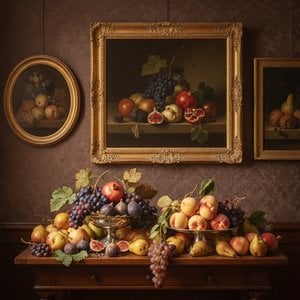
hendra aprida gunawan's distinctive style—characterized by bold colors, dynamic compositions, and a captivating blend of illusion and symbolism—is now accessible to audiences worldwide through
WahooArt.com, where his 55 artworks are proudly displayed, including stunning oil on canvas pieces. his wikipedia page (
hendra gunawan (magician)) provides a comprehensive chronicle of his life and accomplishments—a story that continues to inspire admiration for his singular artistic vision.



 Anteprima in scala reale
 Passa alle stampe
 Condividi
 Condividi
 Dettagli
 Guida
Guida

 Scarica
 Articoli simili
 Radiografia
 Slideshow
 Statistiche


 Leggi tutto






































 L'opzione vetro è disponibile solo per dimensioni inferiori a 110 cm