Anteprima in scala reale Prova in AR Passa alle stampe Passa all'immagine digitale Condividi
Dettagli Guida Aggiungi ai preferiti Scarica Articoli simili Radiografia Slideshow Statistiche

untitled (5751)

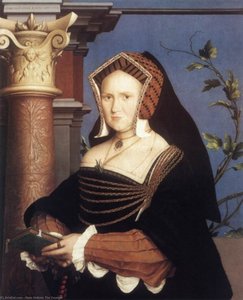
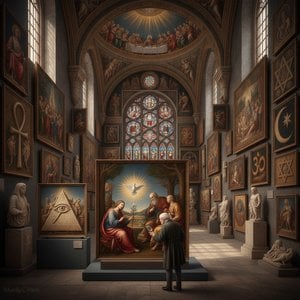
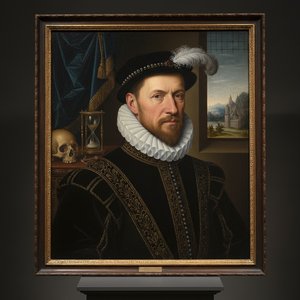
Witness the masterful portraiture of Hans Holbein the Younger! This iconic painting, likely depicting royalty, showcases his unparalleled realism and psychological depth – a cornerstone of the Northern Renaissance. Explore a timeless masterpiece!

Hans Holbein il Giovane (1497-1543): Maestro del Rinascimento settentrionale, celebre per il suo realismo vivido e per la capacità di ritrarre la nobiltà Tudor come Enrico VIII. Esplora i suoi studi dettagliati, le composizioni innovative e la sua eredità duratura.

Riproduzione a olio fatta a mano

Olio su tela dipinto a mano nelle tue dimensioni e con la tua cornice, realizzato su ordinazione dai nostri artisti. ( Passa alle stampe Passa all'immagine digitale)

P118B $10
P118H $10
P118W $10
P438Z $10
P508JH $12
P508YH $12
P805H $10
P805Z $10
P919BZ $10
P919G $10
P919XJ $10
P959ZH $10
P968JZ $12
W106C $8
W218G $10
W218JH $8
W218Y $10
W307PJ $10
W316G $10
W316PJ $8
W316Y $10
W398PJ $8
W4111J $10
W500HY $15
W500JH $15
W692G $12
W849H $8
W940BG $15
W953PJ $8

Standard
personalizzato
CM
INCH

Scegli tra le nostre dimensioni predefinite, che rispettano le proporzioni originali dell'opera d'arte.

larghezza
altezza

È possibile inserire dimensioni personalizzate per adattare l'opera a una cornice o a uno spazio specifico. Se la dimensione selezionata non corrisponde alle proporzioni dell'immagine originale, provvederemo a ritagliare l'opera o a estendere il dipinto con elementi aggiuntivi dipinti a mano. Un mockup digitale ti sarà inviato per approvazione prima dell'inizio della produzione.
Si prega di notare che l'anteprima a schermo non riflette il ritaglio o l'estensione effettivi. Solo il mockup mostrerà accuratamente la composizione finale.
Sebbene siano disponibili dimensioni personalizzate, consigliamo di selezionare una dimensione dall'elenco predefinito per preservare le proporzioni originali.

Esempi di personalizzazione: sostituire il volto con una foto del cliente; aggiungere un animale domestico (ad esempio, sostituire un gatto con un cane); inserire un messaggio nascosto nello sfondo; cambiare il paesaggio o gli elementi dello sfondo.
Dopo l'ordine, il team di WahooArt.com contatterà il cliente via e-mail per ricevere le istruzioni e fornirà un'anteprima del mockup

Consegna in tutto il mondo () in 3/4 settimane anziché nelle normali 5 settimane. (21 Settembre). Nessun compromesso sulla qualità.

why_choose_icon
Spedizione espressa gratuita in tutto il mondo
why_choose_icon
Tela in lino di alta qualità
why_choose_icon
Assicurazione completa sulla spedizione
why_choose_icon
Garanzia di rimborso dei dazi doganali
why_choose_icon
Garanzia di perfetta fedeltà cromatica
why_choose_icon
Politica di reso entro 100 giorni (solo per difetti di fabbricazione)
why_choose_icon
Garanzia di rimborso al 100%
why_choose_icon
Sconto per acquisti multipli

Prezzo totale

$ 272

reproduction

untitled (5751)

Tecnica di riproduzione

Dimensioni della riproduzione

-

Prezzo totale

$ 272

Dettagli rapidi

  • Location: Private Collection
  • Medium: Painting
  • Artistic style: Portraiture, Religious
  • Subject or theme: Religious scene
  • Notable elements or techniques: Realistic detail
  • Movement: Northern Renaissance

Quiz d'arte

Per ogni domanda è presente una sola risposta corretta.

Domanda 1:
What is the primary subject depicted in "untitled (5751)"?
Domanda 2:
The description mentions a distinctive red ribbon around one figure's neck. What does this likely symbolize?
Domanda 3:
Hans Holbein the Younger is best known for which artistic style?
Domanda 4:
According to the provided information, in what city was Hans Holbein the Younger born?
Domanda 5:
The description highlights a ‘carpeted floor and an ornate design’ in the background. What does this suggest about the setting?

The Ambassadors: A Window into Tudor Ambition

Hans Holbein the Younger’s “The Ambassadors,” painted in 1533 during the artist's second and most significant period in England, is far more than a mere portrait of two men. It’s a meticulously constructed tableau – a visual embodiment of humanist ideals, intellectual ambition, and the precarious political landscape of Henry VIII’s court. The painting, currently residing within the National Gallery in London, continues to captivate viewers with its astonishing detail and subtle layers of meaning, offering a rare glimpse into the mindset of a pivotal era.

  • Subject & Composition: The central figures are Jean de Dinteville, the French ambassador to England, and Charles Brandon, 1st Duke of Suffolk, a prominent member of Henry VIII’s court. They stand shoulder-to-shoulder, engaged in what appears to be a scholarly discussion, yet their postures subtly reveal an underlying tension – a reflection of the complex diplomatic relations between England and France at the time. The composition is remarkably balanced, drawing the eye across the meticulously rendered details.
  • Technique & Materials: Holbein’s mastery of oil paint is immediately apparent. He employed a glazing technique, layering thin washes of color to achieve an unparalleled luminosity and depth of tone. The textures – from the velvet of the cushions to the sheen of the silver – are rendered with astonishing realism. Note the use of black chalk for the detailed drawing under the paint layers, a common practice in Holbein’s work that adds to the painting's richness and longevity.

Symbolism Woven into the Scene

“The Ambassadors” is saturated with symbolism, reflecting the intellectual currents of the Renaissance and the specific concerns of Tudor England. The objects scattered across the table are not merely decorative; they carry profound significance. The globe represents the world’s knowledge and ambition, while the celestial sphere symbolizes divine order and human aspiration. The musical instruments – a lute, a recorder, and a viola da gamba – represent the pursuit of artistic excellence and intellectual refinement. The presence of the book, open to a passage from Euclid's *Elements*, underscores the importance of mathematics and reason in understanding the universe.

  • The Skull: Perhaps the most unsettling element is the small skull resting on the table. It serves as a stark reminder of mortality – a subtle yet powerful commentary on the fleeting nature of earthly achievements and the vanity of human ambition.
  • The Dutch Delftware: The distinctive blue and white Delftware vases are not just decorative items; they represent the burgeoning trade between England and the Netherlands, highlighting the economic opportunities available during this period.

A Portrait of a Court – And Its Uncertainties

Beyond its individual portraits, “The Ambassadors” offers a valuable insight into the atmosphere of Henry VIII’s court. The painting reflects the era's fascination with humanism, classical learning, and worldly pursuits. However, beneath this veneer of sophistication lies an undercurrent of uncertainty – symbolized by the skull and the tense expressions of the figures. Holbein was acutely aware of the political machinations surrounding him, and his work subtly acknowledges the dangers inherent in navigating the treacherous waters of courtly life.

Painted during a period of immense change—the break with Rome, the dissolution of monasteries, and the expansion of England’s influence on the world stage— “The Ambassadors” stands as a powerful testament to the ambition, intellect, and anxieties of a nation at a critical juncture in its history. It is a masterpiece that continues to challenge and inspire viewers centuries later.


Biografia dell'artista

vita e formazione

Hans Holbein il Giovane, una figura di spicco nel Rinascimento del Nord, nacque nel 1497 ad Augusta, in Germania. Sebbene spesso confuso con suo padre, Hans Holbein il Vecchio, un artista e incisore rinomato, l'opera del Giovane Holbein è distinta e notevole di per sé.

carriera artistica

La carriera artistica di Holbein il Giovane iniziò sotto la guida del padre. Successivamente viaggiò in Inghilterra, dove divenne pittore di corte per Re Enrico VIII. Questa posizione gli permise di catturare l'essenza della famiglia reale e dell'emergente aristocrazia inglese. La sua opera è caratterizzata da:

opere notevoli e eredità

L'opera di Holbein il Giovane si trova in vari musei, tra cui i Musei Statali di Berlino (Germania), dove il suo uomo ignoto con libri di musica e liuto (olio su tavola) è esposto. La sua influenza sul Rinascimento del Nord è innegabile e la sua opera continua a ispirare gli artisti di oggi. Holbein il Giovane morì nel 1543, ma la sua eredità vive attraverso i suoi affascinanti ritratti e studi dettagliati. visualizza altre opere di Hans Holbein il Giovane su WahooArt.
Hans Holbein il Giovane

Hans Holbein il Giovane

1497 - 1543 , Italia

Informazioni rapide

  • Artistic Movement Or Style: Rinascimento del Nord
  • Artists Who Influenced This Artist:
    • Hans Holbein il Vecchio
    • Albrecht Dürer
  • Date Of Birth: 1497
  • Date Of Death: 1543
  • Full Name: Hans Holbein il Giovane
  • Nationality: Tedesco
  • Notable Artworks:
    • Ritratto di Enrico VIII
    • Gli ambasciatori
    • Autoritratto
    • Madonna del Borgomastro Meyer
    • Sir William Butts
  • Place Of Birth: Augusta, Italia
Esplora le opere d'arte organizzate per temi, stili e caratteristiche.