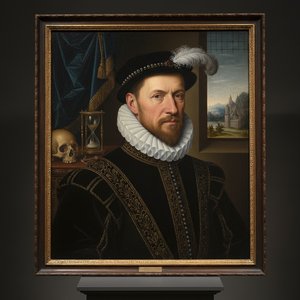
La Vita e la Formazione di Hans Baldung
Hans Baldung, pittore e incisore tedesco, nacque intorno al 1484 a Schwäbisch Gmünd, in Germania. Fu il primo uomo della sua famiglia a non frequentare l'università, scegliendo invece una carriera artistica. Iniziò la sua formazione verso il 1500 nella Renania Superiore sotto la guida di un artista proveniente da Strasburgo.
L'Apprendistato presso Albrecht Dürer
Nel 1503, Baldung divenne apprendista del rinomato pittore tedesco Albrecht Dürer. Questo periodo ebbe un profondo impatto sul suo sviluppo artistico. Apprese rapidamente l'influenza e lo stile di Dürer, e i due divennero amici stretti. Durante il secondo soggiorno veneziano di Dürer, Baldung gestì la sua bottega.
Stile Artistico e Temi
Baldung sviluppò uno stile distintivo caratterizzato da colore, espressione e immaginazione. I suoi talenti erano vari e produsse un'ampia varietà di opere, tra cui:
- Ritratti
- Xilografie (Woodcuts)
- Pale d'altare (Altarpieces)
- Disegni
- Arazzi (Tapestries)
- Allegorie
- Motivi mitologici
Una sua particolare fascinazione per la stregoneria e il soprannaturale è un tema ricorrente nella sua opera. Questo si evince dalle sue rappresentazioni di streghe, un aspetto unico della sua arte durante quel periodo.
Opere Principali e Eredità
Alcune delle opere più caratteristiche di Baldung sono di piccole dimensioni, con allegorie spesso enigmatiche ed erotiche e lavori mitologici. Il suo lavoro all'altare maggiore a Münster, in Germania, testimonia il suo sostegno al movimento della Riforma.
Musei e Collezioni
La Gemäldegalerie Alte Meister, in Germania, ospita un'impressionante collezione di dipinti europei dal XV al XVIII secolo. Sebbene non si concentri specificamente sull'opera di Hans Baldung, fornisce un contesto per comprendere il periodo artistico in cui visse.
Conclusione
Hans Baldung Grien o Grün, con la sua miscela unica di colore, espressione e immaginazione, rimane una figura significativa nella storia dell'arte tedesca. La sua esplorazione di temi come la stregoneria e il soprannaturale aggiunge un livello affascinante al suo corpus di opere.



 Anteprima in scala reale
 Ordina la riproduzione dipinta a mano
 Condividi
 Condividi
 Dettagli

 Scarica
 Articoli simili
 Radiografia
 Slideshow
 Statistiche


 Leggi tutto






































 L'opzione vetro è disponibile solo per dimensioni inferiori a 110 cm