


Stampa giclée o su tela di qualità museale, con produzione rapida e diverse opzioni di finitura. ( Acquista il dipinto realizzato a mano Passa all'immagine digitale)





























Scegli tra le nostre dimensioni predefinite, che rispettano le proporzioni originali dell'opera d'arte.

Inserisci la larghezza e l'altezza desiderate, per adattarle alla tua cornice o alla tua parete. Una stampa può essere solo ritagliata, mai resa più grande dell'immagine originale; pertanto, un formato con una forma differente comporterà la perdita di una parte dell'opera. Ti invieremo un mockup digitale da approvare prima di procedere con la stampa. L'immagine mostrata in questa pagina non rappresenta il ritaglio reale — solo il mockup lo mostra.
Consegna in tutto il mondo () in 2 settimane invece delle normali 4/5 settimane. (8 Novembre)
Le tre età della donna
Dimensioni riproduzione
Gustav Klimt's 1905 masterpiece, “The Three Ages of Woman,” is not merely a painting; it’s a profound meditation on the cyclical nature of life, an intimate exploration of femininity, and a testament to the artist’s masterful command of symbolism and opulent technique. Currently residing in the Galleria Nazionale d'Arte Moderna in Rome, this large-scale work (180 x 180 cm) immediately captivates with its rich color palette, striking composition, and the pervasive use of gold leaf – a hallmark of Klimt’s celebrated “Golden Phase.” The painting presents three figures—an infant, a young mother, and an aged woman—intertwined in a poignant tableau that speaks to birth, maturity, and the inevitable passage of time. It's a work that doesn’t simply depict these stages; it *embodies* them, inviting viewers into a deeply emotional and introspective experience.
To understand “The Three Ages of Woman,” one must consider the artistic climate in which it was created. Klimt was a leading figure in the Vienna Secession, a movement that rebelled against the conservative academic traditions dominating Austrian art at the turn of the 20th century. The Secessionists sought to create a “total work of art” – *Gesamtkunstwerk* – integrating painting, sculpture, and decorative arts. Klimt’s embrace of symbolism, his rejection of realistic representation in favor of expressive forms, and his lavish use of ornamentation were all central tenets of this artistic revolution. He wasn't simply painting what he saw; he was striving to convey deeper truths about the human condition, often exploring themes of love, death, and sexuality with a frankness that shocked – and ultimately liberated – Viennese society. The Secession’s aim was to challenge the established order, rejecting the rigid conventions of academic art and embracing innovation.
Every element within “The Three Ages of Woman” is imbued with symbolic meaning. The infant, cradled securely in her mother’s arms, represents innocence and potential. The young mother embodies fertility and vitality, her eyes closed in a state of serene contentment. However, it is the figure of the aged woman that commands perhaps the most attention – and elicits the strongest emotional response. Klimt doesn’t shy away from depicting the harsh realities of aging; her body is rendered with unflinching honesty, showcasing the ravages of time. Her bowed head and veiled eyes suggest a sense of sorrow or resignation. Yet, despite this apparent despair, she remains an integral part of the composition, representing wisdom gained through experience and the enduring cycle of life. The contrasting auras surrounding each figure – cool blues for youth and warmth for age – further emphasize these distinctions. The decorative motifs, reminiscent of cells or ova, subtly reinforce the theme of biological continuity, suggesting that even in decay, there is the promise of renewal.
“The Three Ages of Woman” continues to resonate with audiences today because it taps into universal human experiences. It’s a painting about vulnerability, strength, and the beauty – and fragility – of life itself. Klimt's masterful use of color, pattern, and symbolism creates an atmosphere that is both intimate and unsettling, drawing viewers into a deeply personal contemplation of their own mortality. The work’s enduring appeal also lies in its aesthetic power; the shimmering gold leaf, the flowing lines, and the intricate details create a visual feast for the eyes. For collectors and interior designers alike, a reproduction of this iconic painting offers not only a stunning decorative element but also a powerful statement about art's ability to transcend time and connect us to the deepest aspects of the human spirit.
Klimt’s technique is undeniably distinctive. He employed *Aurifizierung*, or gold leaf application, extensively throughout his oeuvre—particularly during what is known as his “Golden Phase.” This process involved applying thin sheets of gold to the canvas surface, meticulously burnished to create a luminous sheen that captivated audiences and cemented Klimt's reputation for opulent artistry. The painstaking labor required to achieve this effect underscored Klimt’s commitment to elevating painting beyond mere representation, transforming it into an immersive experience of color and texture.
The painting emerged from a pivotal moment in Viennese art history—the establishment of the Vienna Secession. This group challenged the dominance of academic conservatism, advocating for artistic freedom and experimentation. Klimt’s work stood as a defiant assertion against traditional conventions, aligning him with the broader movement's desire to forge new paths toward creative expression.
Ultimately, “The Three Ages of Woman” transcends its formal elements to convey profound emotional depth. Klimt’s depiction of aging—honest and unflinching—resonates with viewers on a visceral level, prompting reflection on mortality and the enduring beauty of human existence. The painting's melancholic atmosphere and symbolic richness solidify its place as an unforgettable masterpiece.
Per "Le tre età della donna" di Gustav Klimt, si consiglia una riproduzione di Grande formato. Le dimensioni possono essere modificate mantenendo invariate le proporzioni.
"Le tre età della donna" di Gustav Klimt è descritto come Sognante e intimo per atmosfera. Questa classificazione può aiutare ad abbinare l'opera a un ambiente.
"Le tre età della donna" di Gustav Klimt ritrae symbolism, female figure, gold leaf, vienna secession, aging, cycle of life, allegory, ornamentation, con un'atmosfera Sognante e intimo. Il soggetto e l'atmosfera insieme descrivono l'opera.


1862 - 1918 , Austria

Embark on a visual journey through the world's most radiant masterpieces. Discover how gold leaf, impasto textures, and gilded tones define luxury in fine art, from Byzantine icons to modern abstracts. Explore the eternal allure of gold in curated, museum-quality art collections.
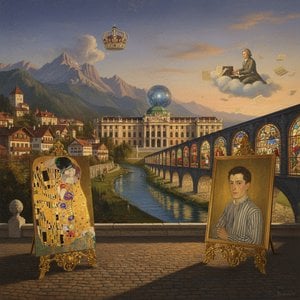
Embark on a sophisticated journey through Austrian art history. Explore the golden brilliance of Gustav Klimt and the elegance of the Vienna Secession through an expert lens, celebrating the enduring soul of Central European masterpieces.

Embark on a sophisticated journey through the splendor of Austrian art. From Gustav Klimt’s golden masterpieces to the elegance of the Viennese Secession, discover the history and symbolism behind Europe's most iconic works for the discerning collector.
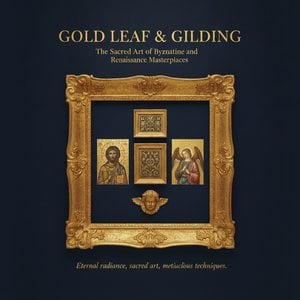
Scopri i segreti tecnici e il simbolismo sacro della doratura bizantina. Esplora l'arte dell'oro con noi.

Explore the profound impact of the Vienna Secession movement. Discover how visionaries like Gustav Klimt revolutionized modern art through symbolism, gold leaf, and bold ornamentation in this deep dive into the aesthetic revolution that redefined the visual landscape of Europe.
 Anteprima in scala reale
 Invia
Invia Condividi
 Dettagli opera
 Guida
Guida

 Scarica
 Simili
 Radiografia
 Slideshow
 Domande e risposte
 Statistiche


 Espandi i dettagli









 L'opzione vetro è disponibile solo per dimensioni inferiori a 110 cm


