

Stampa giclée o su tela di qualità museale, con produzione rapida e diverse opzioni di finitura. ( Acquista il dipinto realizzato a mano Passa all'immagine digitale)





























Scegli tra le nostre dimensioni predefinite, che rispettano le proporzioni originali dell'opera d'arte.

Inserisci la larghezza e l'altezza desiderate, per adattarle alla tua cornice o alla tua parete. Una stampa può essere solo ritagliata, mai resa più grande dell'immagine originale; pertanto, un formato con una forma differente comporterà la perdita di una parte dell'opera. Ti invieremo un mockup digitale da approvare prima di procedere con la stampa. L'immagine mostrata in questa pagina non rappresenta il ritaglio reale — solo il mockup lo mostra.
Consegna in tutto il mondo () in 2 settimane invece delle normali 4/5 settimane. (8 Novembre)
Giuditta02
Dimensioni riproduzione
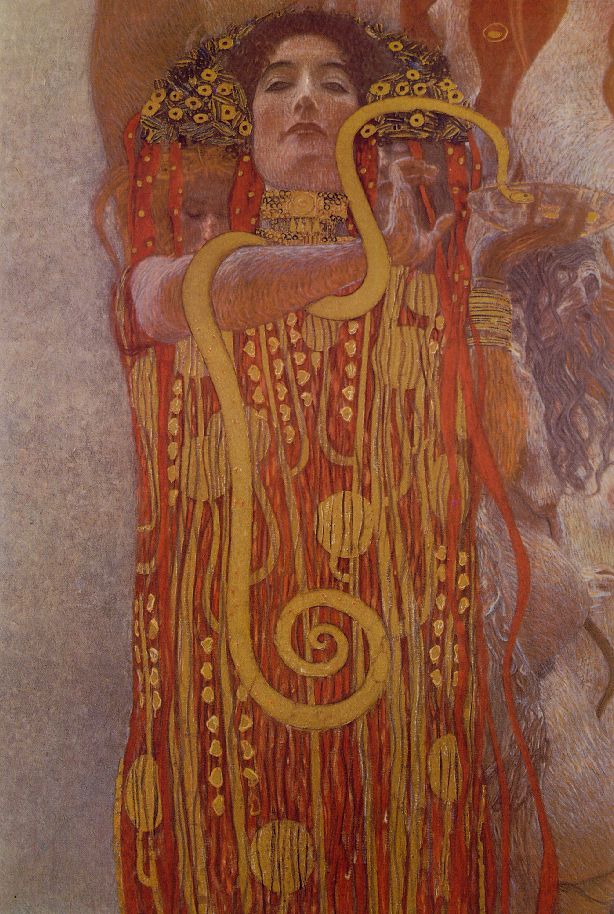
“Judith II (Salome)” was created in 1909 by Gustav Klimt in Art Nouveau (Modern) style. Find more prominent pieces of literary painting at Wikiart.org – best visual art database.
WikiArt
Artist: Gustav Klimt
Born on July 14, 1862, in Baumgarten, Austria.
Gustav Klimt was a leading figure in the Vienna Secession movement, and his work continues to captivate art enthusiasts worldwide. Born on July 14, 1862, in Baumgarten, Austria, Klimt was a versatile artist who created numerous iconic works of art.
Style and Media
The painting features Judith, a biblical figure who saved her people by seducing and beheading Holofernes, an Assyrian general. Klimt’s use of oil as the primary medium allows for rich textures and vibrant colors, bringing his vision to life. The painting is characterized by its decorative patterns, adding an opulent touch to the piece while highlighting its allegorical nature.
Historical Context
Klimt’s creation coincided with a pivotal moment in Viennese art history—the Vienna Secession—a rebellious movement that challenged academic conventions and championed artistic freedom. Artists like Klimt sought to break away from the rigid rules of the Austro-Hungarian Empire's art establishment, embracing bold experimentation and expressive symbolism.
Symbolism
Judith II embodies several key symbols prevalent in Art Nouveau: eroticism, beauty, and decay. Klimt skillfully employs gold leaf—a hallmark of his “golden phase”—to convey a sense of divine splendor and timelessness, juxtaposed with the vulnerability of the human form.
Technique
Klimt’s meticulous technique involved layering oil paints onto canvas, creating intricate textures and shimmering surfaces. The artist's masterful manipulation of color—particularly the fiery orange-red background—intensifies the dramatic impact of the composition, guiding the viewer’s gaze towards Judith’s expressive face.
Emotional Impact
“Judith II” evokes a profound emotional response through its depiction of female beauty and sensual allure. Klimt's portrayal captures the essence of the femme fatale archetype—a woman whose irresistible charm conceals hidden danger—leaving an indelible mark on the viewer’s imagination.
Featured in:
Size: Unknown
Date: 1909
Additional Research:
Klimt University of Vienna Ceiling Paintings
Up Close With Klimt’s ‘Judith II’
Explore More:
Visit: Gallerix
La pagina Statistiche di "Giuditta02" di Gustav Klimt presenta le statistiche delle visite pubbliche: il numero di visite mensili di quest'opera, un confronto con le opere dell'artista più visualizzate e la provenienza dei visitatori.
È disponibile il download per "Giuditta02": la pagina Scarica l'opera dell'opera offre download di un'immagine digitale ad alta risoluzione.
Formato Grande formato, orientamento Allungato: questa è la configurazione di stampa suggerita per "Giuditta02" di Gustav Klimt.


1862 - 1918 , Austria

Embark on a sophisticated journey through the splendor of Austrian art. From Gustav Klimt’s golden masterpieces to the elegance of the Viennese Secession, discover the history and symbolism behind Europe's most iconic works for the discerning collector.

Explore the profound impact of the Vienna Secession movement. Discover how visionaries like Gustav Klimt revolutionized modern art through symbolism, gold leaf, and bold ornamentation in this deep dive into the aesthetic revolution that redefined the visual landscape of Europe.
Embark on a sophisticated journey through Austrian art history. Explore the golden brilliance of Gustav Klimt and the elegance of the Vienna Secession through an expert lens, celebrating the enduring soul of Central European masterpieces.

Discover the enchanting world of Art Nouveau. Explore the flowing lines of Alphonse Mucha and learn how to integrate these timeless, organic masterpieces into your collection with expert guidance on fine art appreciation and preservation.

Scopri l'essenza dell'Art Nouveau tra botanica e design. Esplora la bellezza delle linee sinuose con i nostri esperti.
 Anteprima in scala reale
 Invia
Invia Condividi
 Dettagli opera
 Guida
Guida

 Scarica
 Simili
 Radiografia
 Slideshow
 Domande e risposte
 Statistiche

 Espandi i dettagli









 L'opzione vetro è disponibile solo per dimensioni inferiori a 110 cm


