x
Anteprima in scala realeAnteprima in scala reale Anteprima ARAnteprima AR Acquista stampa Acquista stampaAcquista immagine Acquista immagine InviaInvia
Dettagli operaDettagli opera Aggiungi ai preferiti Aggiungi ai preferiti Scarica immagineScarica immagine SimiliSimili RadiografiaRadiografia SlideshowSlideshow


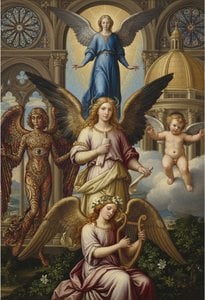
Archangel

Discover 'Archangel' by Guariento d’Arpo – a stunning Renaissance masterpiece! Admire its classical style, intricate details & symbolic elements of good vs. evil. Explore this unique artwork today!

Guariento di Arpo (1310-1370) was a 14th-century Paduan painter bridging Florentine realism & Venetian Gothic styles. Known for frescoes depicting St. Augustine's life, Madonna panels, and his Paradise fresco in the Palazzo Ducale. A pivotal early Re

Riproduzione a olio fatta a mano

Olio su tela dipinto a mano nelle tue dimensioni e con la tua cornice, realizzato su ordinazione dai nostri artisti. (Acquista stampa Acquista stampaAcquista immagine Acquista immagine)

Formato standard
su misura
CM
INCH

Scegli tra le nostre dimensioni predefinite, che rispettano le proporzioni originali dell'opera d'arte.

larghezza
altezza

È possibile inserire dimensioni personalizzate per adattare l'opera a una cornice o a uno spazio specifico. Se la dimensione selezionata non corrisponde alle proporzioni dell'immagine originale, provvederemo a ritagliare l'opera o a estendere il dipinto con elementi aggiuntivi dipinti a mano. Un mockup digitale ti sarà inviato per approvazione prima dell'inizio della produzione.
Si prega di notare che l'anteprima a schermo non riflette il ritaglio o l'estensione effettivi. Solo il mockup mostrerà accuratamente la composizione finale.
Sebbene siano disponibili dimensioni personalizzate, consigliamo di selezionare una dimensione dall'elenco predefinito per preservare le proporzioni originali.

Esempi di ciò che può essere modificato: sostituire il volto con una foto del cliente; aggiungere un animale domestico (ad esempio, sostituire un gatto con un cane); inserire un messaggio nascosto nello sfondo; cambiare il paesaggio o gli elementi dello sfondo.
Dopo l'ordine, il team di WahooArt.com contatterà il cliente via e-mail per le istruzioni e fornirà un'anteprima del mockup

Consegna in tutto il mondo () in 3/4 settimane anziché nelle normali 5 settimane. (27 Agosto). Nessun compromesso sulla qualità.

why_choose_icon
Spedizione espressa gratuita in tutto il mondo
why_choose_icon
Tela in lino di alta qualità
why_choose_icon
Assicurazione completa sulla spedizione
why_choose_icon
Garanzia di rimborso dei dazi doganali
why_choose_icon
Garanzia di fedeltà cromatica
why_choose_icon
Politica di reso entro 60 giorni (solo per difetti di fabbricazione)
why_choose_icon
Garanzia di rimborso al 100%
why_choose_icon
Offerta per acquisti multipli

Prezzo totale

$ 272

reproduction

Archangel

Tecnica di riproduzione

Dimensioni riproduzione

-

Prezzo totale calcolato

$ 272


Biografia dell'artista

Guariento di Arpo: Bridging Florentine Realism and Venetian Gothic

Guariento di Arpo (c. 1310 – 1370) stands as a pivotal figure in fourteenth-century art, marking the transition between the stylistic dominance of Florence’s early Trecento and the increasingly ornate Venetian Gothic tradition. Born around 1310 in Padua—a city renowned for its burgeoning intellectual life and artistic patronage—Guariento's career unfolded amidst a dynamic cultural landscape shaped by humanist ideals and Byzantine influences. He is remembered primarily for his monumental frescoes adorning the Augustinian hermits’ church of San Bernardino, Padua, particularly the cycle depicting St Augustine’s Life – a commission that cemented his reputation as Padua’s foremost painter. His legacy extends beyond these iconic works, encompassing decorative panels commissioned by influential families like the Carrara and culminating in a fragmentarily preserved depiction of Paradise within the Palazzo Ducale.

Early Life & Training

Precise biographical details remain elusive, yet Guariento's formative years were spent in Padua’s vibrant artistic milieu. Evidence suggests he received instruction from Giovanni Pisano and Giotto di Bondone—artists whose groundbreaking innovations profoundly impacted Venetian painting. This exposure instilled in him a commitment to naturalistic representation combined with expressive dynamism, characteristics that would define his distinctive style. Pisano's mastery of sculptural form and Giotto’s pioneering use of perspective served as foundational influences on Guariento’s artistic sensibilities, shaping his approach to depicting human figures and spatial environments.

The Frescoes of San Bernardino

Guariento’s magnum opus resides in the choir frescoes of San Bernardino, Padua – a monumental undertaking undertaken in 1338. These paintings depict scenes from St Augustine's Life, meticulously crafted with meticulous attention to detail and imbued with psychological depth. The cycle showcases Guariento’s mastery of volumetric modeling and spatial perspective—techniques borrowed directly from Giotto but adapted to the Venetian aesthetic. Notably, the frescoes suffered severe damage during World War II bombing raids, resulting in significant loss of pigment and surface area. Despite this tragedy, surviving fragments offer invaluable insight into Guariento's artistic vision. The fresco’s composition is characterized by a deliberate use of chiaroscuro—the interplay of light and shadow—creating dramatic visual effects that heighten the emotional impact of the narrative scenes. Furthermore, Guariento skillfully employed Byzantine influences in his depiction of St Augustine’s contemplative gaze and serene countenance, reflecting the broader artistic currents circulating throughout Europe at the time.

Decorative Panels & Patronage

Beyond San Bernardino, Guariento’s artistic output included decorative panels for the Palazzo Carrara—a commission that exemplifies his ability to synthesize Byzantine influences with Venetian Gothic ornamentation. These panels depict Madonna and Child figures alongside angels, demonstrating Guariento’s meticulous craftsmanship and stylistic sophistication. The Palazzo Carrara's reconstruction in 1779 facilitated the relocation of these panels to the Museo Civico di Padova, where they continue to captivate viewers today. The panels are notable for their rich color palette—primarily gold leaf—and intricate decorative motifs that underscore Guariento’s mastery of artistic technique and his responsiveness to the tastes of Venetian aristocratic patrons.

Paradise Revisited

Guariento’s invitation to decorate the Palazzo Ducale with a fresco depicting Paradise represents one of his most ambitious projects—a commission that reflects Venetian artistic ambition and intellectual curiosity. Although only fragmentary remains exist due to subsequent renovations, scholars have reconstructed significant portions of the painting based on surviving sketches and documented observations. This artwork stands as testament to Guariento’s ability to synthesize Florentine realism with Byzantine grandeur, solidifying his position as a pioneer of Venetian Gothic style. The fresco's depiction of God—represented as a radiant figure bathed in golden light—demonstrates Guariento’s engagement with theological symbolism and his desire to convey the majesty of divine presence. Furthermore, the fragmentary state of the painting underscores the challenges faced by artists attempting to capture transcendent beauty within the confines of earthly materials. Historical Significance: Guariento di Arpo is recognized as the first artist to successfully merge the volumetric and spatial developments of Florentine painting from the early Trecento with the more linear and abstract Late Gothic and Byzantine manner that had hitherto prevailed in Veneto. He represents a crucial juncture in artistic history, marking the definitive departure from stylistic conventions established by Giotto and Pisano while simultaneously embracing the expressive dynamism characteristic of Venetian art. His frescoes continue to inspire admiration for their psychological realism and masterful execution—a legacy that ensures Guariento di Arpo’s place among the most influential painters of his era remains secure.
guariento d'arpo

guariento d'arpo

1310 - 1370 , Italia

Dati rapidi

  • Artistic Movement Or Style: Venetian painting; Gothic art
  • Artists Or Movements Influenced By This Artist: ['Tintoretto']
  • Artists Who Influenced This Artist: ['Giotto di Bondone']
  • Date Of Death: 1370
  • Full Name: Guariento di Arpo
  • Nationality: Italian
  • Notable Artworks:
    • Coronation of the Virgin Altarpiece
    • Madonna and Child
    • Ascension of Christ
  • Place Of Birth: Padua