CONSULENZA D'ARTE GRATUITA

x
Acquista stampa Acquista stampaAcquista download Acquista download InviaInvia
DettagliDettagli Aggiungi ai preferiti Aggiungi ai preferiti ScaricaScarica SimiliSimili RadiografiaRadiografia SlideshowSlideshow

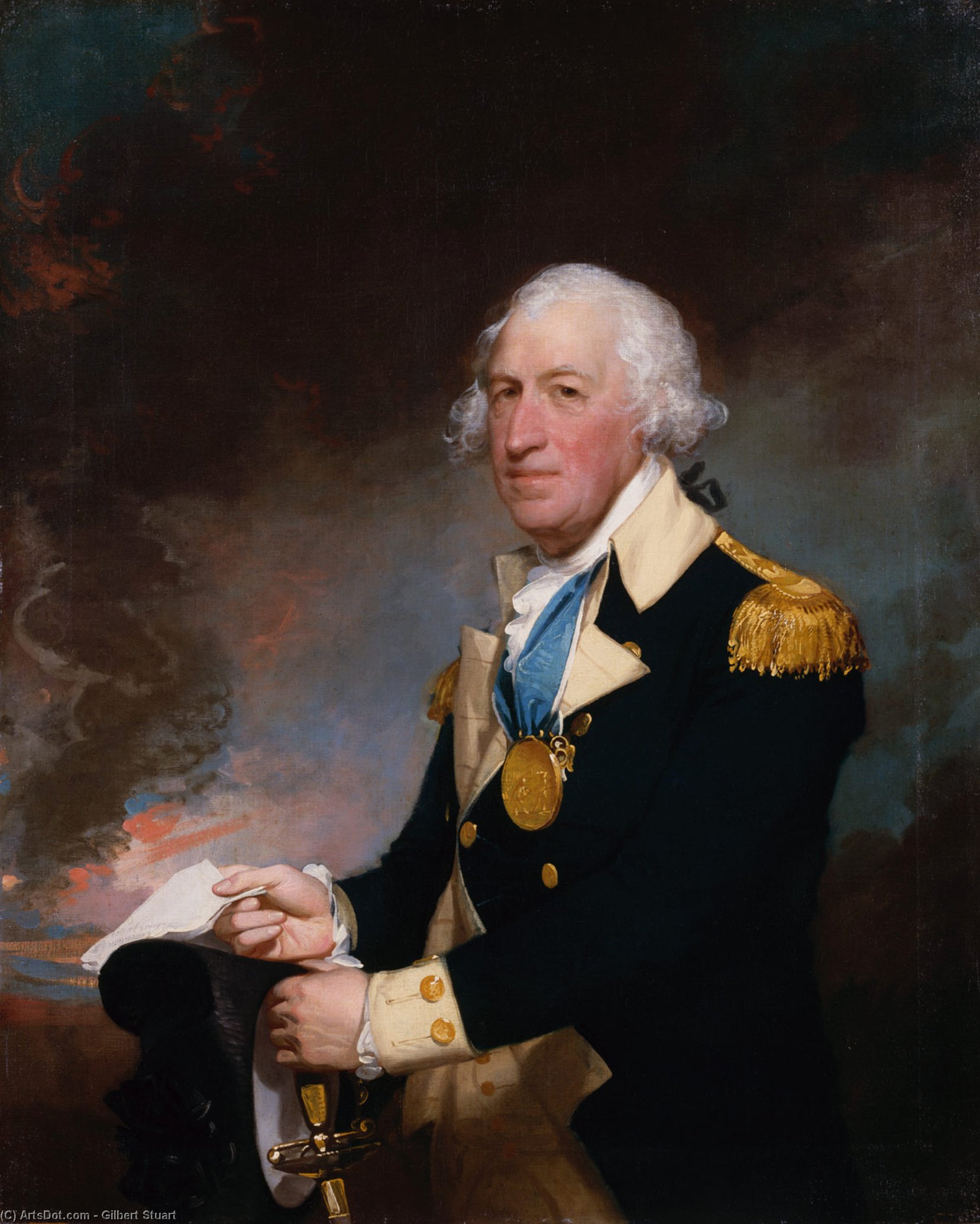
Horatio Gates

Admire Gilbert Stuart's masterful portrait of Horatio Gates, a distinguished military figure from 1793. This oil-on-canvas painting showcases Stuart’s skill and captures the essence of American history.

Scopri Gilbert Stuart (1755-1828), il ritrattista americano per eccellenza, famoso per l'iconico ritratto di Washington! Esplora il suo stile neoclassico e la sua eredità!

Riproduzione a olio fatta a mano

Olio su tela dipinto a mano nelle tue dimensioni e con la tua cornice, realizzato su ordinazione dai nostri artisti.

P118B $10
P118H $10
P118W $10
P438Z $10
P508JH $12
P508YH $12
P805H $10
P805Z $10
P919BZ $10
P919G $10
P919XJ $10
P959ZH $10
P968JZ $12
W106C $8
W218G $10
W218JH $8
W218Y $10
W307PJ $10
W316G $10
W316PJ $8
W316Y $10
W398PJ $8
W4111J $10
W500HY $15
W500JH $15
W692G $12
W849H $8
W940BG $15
W953PJ $8

Standard
custom
CM
INCH

Scegli tra le nostre dimensioni predefinite, che rispettano le proporzioni originali dell'opera d'arte.

larghezza
altezza

È possibile inserire dimensioni personalizzate per adattare l'opera a una cornice o a uno spazio specifico. Se la dimensione selezionata non corrisponde alle proporzioni dell'immagine originale, provvederemo a ritagliare l'opera o a estendere il dipinto con elementi aggiuntivi dipinti a mano. Un mockup digitale ti sarà inviato per approvazione prima dell'inizio della produzione.
Si prega di notare che l'anteprima a schermo non riflette il ritaglio o l'estensione effettivi. Solo il mockup mostrerà accuratamente la composizione finale.
Sebbene siano disponibili dimensioni personalizzate, consigliamo di selezionare una dimensione dall'elenco predefinito per preservare le proporzioni originali.

Esempi di modifiche possibili: sostituire il volto con una foto del cliente; aggiungere un animale domestico (ad esempio, sostituire un gatto con un cane); inserire un messaggio nascosto sullo sfondo; modificare il paesaggio o gli elementi dello sfondo.
Dopo l'ordine, il team di WahooArt.com invierà un'e-mail al cliente per le istruzioni e fornirà un'anteprima del mockup

Consegna in tutto il mondo () in 3/4 settimane anziché nelle normali 5 settimane. (2 Luglio). Nessun compromesso sulla qualità.

why_choose_icon
Spedizione espressa gratuita in tutto il mondo
why_choose_icon
Tela in lino di alta qualità
why_choose_icon
Assicurazione completa sulla spedizione
why_choose_icon
Garanzia di rimborso dei dazi doganali
why_choose_icon
Garanzia di fedeltà cromatica
why_choose_icon
Politica di reso entro 60 giorni (solo per difetti)
why_choose_icon
Garanzia di rimborso al 100%
why_choose_icon
Sconto per acquisti multipli

Prezzo totale

-

reproduction

Horatio Gates

Tecnica di riproduzione

Dimensioni riproduzione

-

Prezzo totale finale

-

Informazioni rapide

  • Movement: Neoclassicism
  • Artist: Gilbert Stuart
  • Subject or theme: Military portrait
  • Year: 1793
  • Medium: Oil on canvas
  • Notable elements: Gold medal, sash

Quiz d'arte

Per ogni domanda è presente una sola risposta corretta.

Domanda 1:
What is the primary subject of Gilbert Stuart’s portrait, ‘Horatio Gates’?
Domanda 2:
The painting 'Horatio Gates' is believed to have been created around which year?
Domanda 3:
What artistic movement is Gilbert Stuart most associated with?
Domanda 4:
The dark background in ‘Horatio Gates’ serves what purpose?
Domanda 5:
Which of the following best describes Gilbert Stuart’s style?

Descrizione dell'opera

A Portrait of Statesmanship: Gilbert Stuart’s Horatio Gates

Gilbert Stuart's "Horatio Gates," painted in 1793, is more than just a likeness; it’s a carefully constructed embodiment of the ideals and anxieties of early American republicanism. This portrait, rendered in oil on canvas with the meticulous detail characteristic of Stuart’s mature style, offers a glimpse into the life of a man deeply intertwined with the nation's nascent identity – Horatio Gates, a distinguished general who played a pivotal role in the Revolutionary War.

The painting immediately draws the eye to Gates himself. He is depicted in a commanding three-quarter pose, his gaze direct and resolute. The lighting, expertly employed by Stuart, sculpts his features, highlighting the strength of his jawline and the intelligence in his eyes. His attire – a dark military coat adorned with the subtle embellishments of rank, a crisp white shirt beneath, and a vibrant blue sash – speaks volumes about his service and status within the newly formed United States Army. Crucially, a gold medal rests prominently around his neck, a tangible symbol of recognition for his bravery and leadership during the war, particularly at Saratoga – an event that secured crucial French support for the American cause.

Neoclassical Precision and Stuart’s Signature Style

Stylistically, “Horatio Gates” firmly places itself within the Neoclassical tradition, a movement deeply influenced by classical Greek and Roman art. This is evident in the carefully balanced composition, the restrained palette dominated by deep browns, blues, and whites, and the emphasis on idealized form. However, Stuart’s genius lies not simply in replicating classical ideals but in imbuing them with an distinctly American sensibility. He avoids overt theatricality, opting instead for a dignified and understated elegance that reflects the values of republican virtue.

The brushwork itself is remarkably refined – a hallmark of Stuart's later career. Notice the subtle gradations of tone, particularly in the rendering of Gates’ clothing and the folds of his coat. This meticulous attention to detail speaks to Stuart’s dedication to capturing not just the outward appearance but also the very essence of his subject. The background, deliberately dark and indistinct, serves to further emphasize Gates as the focal point, creating a sense of importance and gravitas.

Symbolism and the Ideals of Republican Virtue

Beyond its technical brilliance, “Horatio Gates” is rich in symbolic meaning. The military attire, naturally, represents his service and sacrifice for the nation. However, it’s the medal that carries the most potent message – a testament to his commitment to republican virtue and the ideals upon which America was founded. The choice of a gold medal, a symbol of honor and distinction, underscores the importance Stuart placed on recognizing those who upheld these values during a critical period in American history.

Furthermore, Gates’ posture and gaze convey a sense of quiet authority and unwavering resolve. He embodies the stoic ideal of the republican citizen – a man dedicated to public service and committed to upholding the principles of liberty and self-governance. The painting, therefore, functions as a visual manifesto for the nascent American republic, projecting an image of strength, integrity, and patriotic devotion.

A Legacy of Portraiture and American Identity

Gilbert Stuart’s “Horatio Gates” remains a significant work in the history of American portraiture. It exemplifies his mastery of technique, his ability to capture both physical likeness and psychological depth, and his profound understanding of the symbolic power of art. Reproductions of this iconic painting continue to resonate with viewers today, offering a tangible connection to a pivotal moment in American history – a time when the ideals of republicanism were being forged and enshrined.

Whether displayed as a centerpiece in a grand hall or incorporated into a carefully curated interior design scheme, “Horatio Gates” serves as a powerful reminder of the enduring legacy of Gilbert Stuart and his profound contribution to the visual representation of American identity.


Biografia dell'artista

Gilbert Stuart: Una Vita Dedicata al Ritratto

  • Nato: 3 dicembre 1755, Saunderstown, Rhode Island
  • Morto: 9 luglio 1828, Boston, Massachusetts
  • Nazionalità: Americano
  • Movimento: Neoclassicismo
  • Conosciuto per: Ritrattistica, in particolare ritratti di figure importanti nella storia americana.

Primi Anni e Formazione

  • Gilbert Stuart nacque in una famiglia con origini scozzesi; suo padre, anch'esso chiamato Gilbert, era un inventore che stabilì il primo mulino per tabacco nel Rhode Island.
  • Il suo talento artistico emerse in tenera età, dimostrando abilità anche da bambino.
  • All'età di 14 anni, dipinse "Dr. Hunter's Spaniels", mostrando una precoce promessa.
  • Viaggiò in Scozia intorno al 1771 per studiare sotto Cosmo Alexander, ma tornò dopo la morte di Alexander nel 1775.
  • Ulteriori studi si svolsero a Londra con Benjamin West, un importante pittore americano residente in Inghilterra, dal 1775 al 1780. Questo periodo fu cruciale per sviluppare il suo stile artistico e ottenere riconoscimento all'interno della Royal Academy.

Carriera Artistica e Opere Principali

  • La carriera di Stuart affrontò delle sfide durante la Rivoluzione Americana, spingendolo a trasferirsi in Inghilterra nel 1775.
  • Raggiunse un primo successo con "The Skater" (1782), un ritratto che stabilì la sua reputazione.
  • La sua opera più famosa è il ritratto incompiuto di George Washington, conosciuto come l'Athenaeum Portrait (iniziato nel 1796). Questa immagine è diventata iconica, apparendo sulla valuta statunitense e sui francobolli. Stuart produsse numerosi copie di questo ritratto per i patroni in America ed Europa.

  • Dipinse ritratti di diverse altre figure importanti tra cui John Adams, Thomas Jefferson, James Madison e molti membri dell'élite federalista.
  • Lo stile di Stuart era caratterizzato da un approccio neoclassico, che enfatizzava il realismo e catturava l'aspetto e il carattere dei suoi soggetti. Spesso impiegava un uso drammatico della luce e dell'ombra per migliorare l'impatto dei ritratti.

Influenze e Sviluppo

  • Cosmo Alexander fornì una formazione iniziale in tecnica e composizione.
  • L'influenza di Benjamin West fu significativa, plasmando la comprensione di Stuart della ritrattistica e dei principi artistici.
  • Il movimento neoclassico, con la sua enfasi sulle forme classiche e sugli ideali, influenzò pesantemente il suo stile.
  • Le proprie osservazioni e interazioni di Stuart con i suoi soggetti contribuirono alla profondità psicologica e al realismo nei suoi ritratti. Mirava a catturare non solo una somiglianza ma anche il carattere e la personalità di coloro che dipingeva.

Significato Storico ed Eredità

  • Gilbert Stuart è considerato uno dei principali ritrattisti americani, svolgendo un ruolo fondamentale nella documentazione dei primi anni degli Stati Uniti.
  • Il ritratto dell'Athenaeum di George Washington è diventato un simbolo duraturo dell'identità e della leadership americana.
  • I suoi ritratti forniscono preziose informazioni storiche sulle vite e le apparenze di figure importanti dalla fine del XVIII e dall'inizio del XIX secolo.
  • L'opera di Stuart è rappresentata in importanti musei negli Stati Uniti ed Europa, garantendo che la sua eredità continui ad essere apprezzata dalle generazioni future.
  • Stabilì uno stile americano distinto di ritrattistica che fondeva tecniche europee con sensibilità unicamente americane.
Gilbert Stuart

Gilbert Stuart

1755 - 1828 , Regno Unito

Dati rapidi

  • Artistic Movement Or Style: Neoclassicismo
  • Artists Who Influenced This Artist:
    • Cosmo Alexander
    • Benjamin West
  • Date Of Birth: 3 dicembre 1755
  • Date Of Death: 9 luglio 1828
  • Full Name: Gilbert Charles Stuart
  • Nationality: Americano
  • Notable Artworks:
    • Dr. Hunter's Spaniels
    • The Skater
    • Athenaeum Portrait di Washington
  • Place Of Birth: Saunderstown, Regno Unito
Esplora opere d'arte organizzate per temi, stili e caratteristiche.