Anteprima in scala reale Prova in AR Passa alle stampe Passa all'immagine digitale Condividi
Dettagli Guida stampabile Aggiungi ai preferiti Scarica Articoli simili Radiografia Slideshow Statistiche

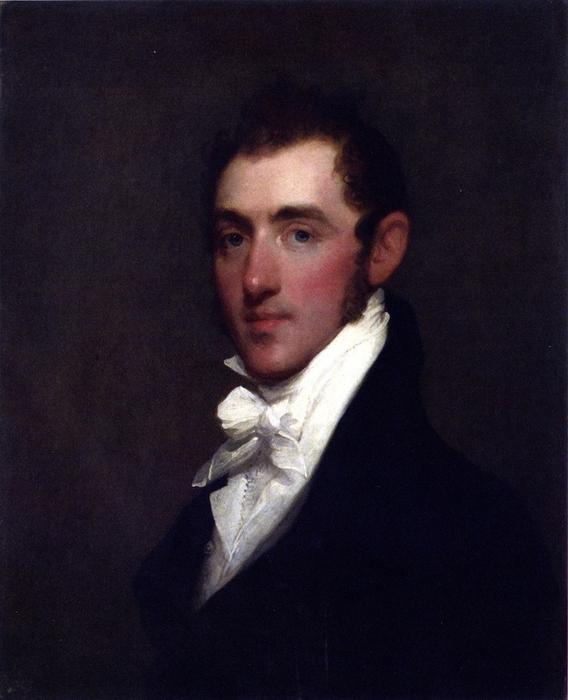
Henry Rice

Experience the Romantic elegance of Gilbert Stuart's 1815 portrait, capturing dignified American life with masterful chiaroscuro; discover this timeless piece today.

Scopri Gilbert Stuart (1755-1828), il ritrattista americano per eccellenza, famoso per l'iconico ritratto di Washington! Esplora il suo stile neoclassico e la sua eredità!

Riproduzione a olio fatta a mano

Olio su tela dipinto a mano nelle tue dimensioni e con la tua cornice, realizzato su ordinazione dai nostri artisti. ( Passa alle stampe Passa all'immagine digitale)

Corner sample of the P118B picture frame: moulded polystyrene, 5 cm wide and 3 cm thick
P118B 10
Corner sample of the P118H picture frame: moulded polystyrene, 5 cm wide and 3 cm thick
P118H 10
Corner sample of the P118W picture frame: moulded polystyrene, 5 cm wide and 3 cm thick
P118W 10
Corner sample of the P438Z picture frame: moulded polystyrene, 5.5 cm wide and 3.5 cm thick
P438Z 10
Corner sample of the P508JH picture frame: moulded polystyrene, 7 cm wide and 3.5 cm thick
P508JH 12
Corner sample of the P508YH picture frame: moulded polystyrene, 7 cm wide and 3.5 cm thick
P508YH 12
Corner sample of the P805H picture frame: moulded polystyrene, 5 cm wide and 3.5 cm thick
P805H 10
Corner sample of the P805Z picture frame: moulded polystyrene, 5 cm wide and 3.5 cm thick
P805Z 10
Corner sample of the P919BZ picture frame: moulded polystyrene, 7 cm wide and 3.5 cm thick
P919BZ 10
Corner sample of the P919G picture frame: moulded polystyrene, 7 cm wide and 3.5 cm thick
P919G 10
Corner sample of the P919XJ picture frame: moulded polystyrene, 7 cm wide and 3.5 cm thick
P919XJ 10
Corner sample of the P959ZH picture frame: moulded polystyrene, 5 cm wide and 3 cm thick
P959ZH 10
Corner sample of the P968JZ picture frame: moulded polystyrene, 6 cm wide and 4 cm thick
P968JZ 12
Corner sample of the W106C picture frame: solid wood, 5 cm wide and 3 cm thick
W106C 8
Corner sample of the W218G picture frame: solid wood, 5 cm wide and 3 cm thick
W218G 10
Corner sample of the W218JH picture frame: solid wood, 5 cm wide and 3 cm thick
W218JH 8
Corner sample of the W218Y picture frame: solid wood, 5 cm wide and 3 cm thick
W218Y 10
Corner sample of the W307PJ picture frame: solid wood, 6 cm wide and 3 cm thick
W307PJ 10
Corner sample of the W316G picture frame: solid wood, 6 cm wide and 3 cm thick
W316G 10
Corner sample of the W316PJ picture frame: solid wood, 6 cm wide and 3 cm thick
W316PJ 8
Corner sample of the W316Y picture frame: solid wood, 6 cm wide and 3 cm thick
W316Y 10
Corner sample of the W398PJ picture frame: solid wood, 5 cm wide and 3 cm thick
W398PJ 8
Corner sample of the W4111J picture frame: solid wood, 6.5 cm wide and 3.5 cm thick
W4111J 10
Corner sample of the W500HY picture frame: solid wood, 7 cm wide and 5 cm thick
W500HY 15
Corner sample of the W500JH picture frame: solid wood, 7 cm wide and 5 cm thick
W500JH 15
Corner sample of the W692G picture frame: solid wood, 8 cm wide and 4 cm thick
W692G 12
Corner sample of the W849H picture frame: solid wood, 5 cm wide and 3 cm thick
W849H 8
Corner sample of the W940BG picture frame: solid wood, 7.5 cm wide and 4.5 cm thick
W940BG 15
Corner sample of the W953PJ picture frame: solid wood, 6 cm wide and 3.5 cm thick
W953PJ 8

Standard
personalizzato
CM
INCH

Scegli tra le nostre dimensioni predefinite, che rispettano le proporzioni originali dell'opera d'arte.

larghezza
altezza

È possibile inserire dimensioni personalizzate per adattare l'opera a una cornice o a uno spazio specifico. Se la dimensione selezionata non corrisponde alle proporzioni dell'immagine originale, provvederemo a ritagliare l'opera o a estendere il dipinto con elementi aggiuntivi dipinti a mano. Un mockup digitale ti sarà inviato per approvazione prima dell'inizio della produzione.
Si prega di notare che l'anteprima a schermo non riflette il ritaglio o l'estensione effettivi. Solo il mockup mostrerà accuratamente la composizione finale.
Sebbene siano disponibili dimensioni personalizzate, consigliamo di selezionare una dimensione dall'elenco predefinito per preservare le proporzioni originali.

Esempi di personalizzazione: sostituire il volto con una foto del cliente; aggiungere un animale domestico (ad esempio, sostituire un gatto con un cane); inserire un messaggio nascosto nello sfondo; cambiare il paesaggio o gli elementi dello sfondo.
Dopo l'ordine, il team di WahooArt.com contatterà il cliente via e-mail per ricevere le istruzioni e fornirà un'anteprima del mockup

Consegna in tutto il mondo () in 3/4 settimane anziché nelle normali 5 settimane. (9 Ottobre). Nessun compromesso sulla qualità.

Spedizione espressa gratuita in tutto il mondo

Tela in lino di alta qualità
Assicurazione completa sulla spedizione
Garanzia di rimborso dei dazi doganali
Garanzia di perfetta fedeltà cromatica
Politica di reso entro 100 giorni (solo per difetti di fabbricazione)
Garanzia di rimborso al 100%
Sconto per acquisti multipli

Prezzo totale

€ 234

Henry Rice

Tecnica di riproduzione

Dimensioni della riproduzione

-

Prezzo totale

€ 234

Dettagli rapidi

  • Dimensions: 26 1/2 x 21"
  • Title: Henry Rice
  • Subject or theme: Portrait of Newton Henry Rice
  • Artist: Gilbert Stuart
  • Movement: Neoclassicism
  • Year: 1815
  • Medium: Oil on wood

Quiz d'arte

Per ogni domanda è presente una sola risposta corretta.

Domanda 1:
What artistic movement is Gilbert Stuart associated with?
Domanda 2:
Where did Gilbert Stuart receive significant training during his formative years?
Domanda 3:
What is the primary subject depicted in 'Henry Rice'?
Domanda 4:
Approximately when was ‘Henry Rice’ painted?
Domanda 5:
What is notable about the man's expression in the portrait?

A Glimpse into Romantic Elegance

In the quiet, commanding presence of Gilbert Stuart’s 1815 portrait, Henry Rice, one finds much more than a mere historical record; it is an intimate window into the soul of the Romantic era. The painting presents us with Newton Henry Rice, a man whose very countenance seems to bridge the gap between the structured dignity of the past and the burgeoning emotional depth of a new American identity. As we gaze upon his face, we are met with a directness that is both unsettling and deeply captivating. Stuart does not merely capture a likeness; he orchestrates an encounter. The subject’s steady gaze, framed by a meticulously rendered beard and mustache, invites the viewer into a silent dialogue, suggesting a character forged in the crucible of leadership and thoughtful reflection.

The composition of the work possesses a subtle, layered complexity that rewards the lingering eye. While Rice stands as the undeniable protagonist, the presence of figures receding into the soft-focus background hints at a larger narrative of lineage and social connection. This arrangement creates a sense of depth that transcends the two-dimensional plane, suggesting the weight of family and the interconnectedness of the Rhode Island elite during this transformative period. For the collector or the interior designer, this piece offers a profound sense of gravity, making it an ideal centerpiece for spaces that demand a touch of historical prestige and intellectual weight.

The Mastery of Light and Shadow

Technically, Henry Rice is a masterclass in the use of chiaroscuro. Stuart, a titan of American portraiture, employs the dramatic interplay of light and shadow to sculpt the subject’s features with breathtaking realism. The way the light catches the texture of the clothing and the subtle contours of the face creates an illusion of three-dimensional vitality that feels almost tactile. This technique does more than just define form; it imbues the portrait with a luminous, ethereal quality, as if the subject were emerging from the shadows of history into the light of the present moment.

Though Stuart’s roots are firmly planted in the Neoclassical tradition—characterized by order, clarity, and restraint—this particular work whispers of the Romantic movement's arrival. There is a palpable emotional resonance found in the tonal gradations and the soft, expressive lighting that moves away from the austere rigidity of earlier decades. The artist’s brushwork, though smooth and refined, possesses an underlying energy that breathes life into the oil on wood, ensuring that the painting remains vibrant and emotionally accessible even centuries after its completion.

A Legacy for the Discerning Collector

To possess a reproduction of such a significant work is to bring a piece of American heritage into one's personal environment. Henry Rice serves as an evocative symbol of transition—a moment when the old world’s formal structures began to merge with the raw, expressive spirit of the new. It is a work that speaks of strength, stability, and the enduring power of character. Whether placed in a sophisticated study, a grand hallway, or a curated gallery wall, this portrait provides an anchor of timeless elegance.

For those seeking to inspire others through art, this piece offers a rich tapestry of historical context and aesthetic beauty. It is not merely a decoration; it is a conversation starter, a testament to the skill of Gilbert Stuart, and a profound tribute to the dignity of the human spirit. In every stroke of the brush, there is an invitation to contemplate the legacies we leave behind and the enduring grace of a well-lived life.

Domande e risposte

Che livello di contrasto presenta "Henry Rice" di Gilbert Stuart?

Il contrasto chiaroscurale di "Henry Rice" è registrato come Gentle. Il contrasto descrive quanto marcata sia la differenza tra le aree chiare e quelle scure.

Chi ha creato "Henry Rice"?

"Henry Rice" è attribuito a Gilbert Stuart.

Dove dovrebbe essere appesa una riproduzione di "Henry Rice" di Gilbert Stuart?

Il formato (Portrait) e lo spazio consigliato (Living Room) sono i due dettagli di posizionamento registrati per "Henry Rice" di Gilbert Stuart.

Quali dimensioni e orientamento si raccomandano per una stampa di "Henry Rice" di Gilbert Stuart?

Per "Henry Rice", la configurazione di stampa consigliata è un formato Medium con orientamento Portrait.

Quanti anni aveva Gilbert Stuart quando è stata creata "Henry Rice"?

Gilbert Stuart aveva 60 anni quando ha creato "Henry Rice" nel 1815. L'età è calcolata sulla base dell'anno di nascita dell'artista, 1755.

In che anno è stata realizzata "Henry Rice"?

"Henry Rice" risale al 1815. La data colloca l'opera all'interno della carriera di Gilbert Stuart e della sua epoca.

Di cosa è fatto "Henry Rice"?

Gilbert Stuart ha utilizzato la tecnica del Oil per "Henry Rice". La tecnica definisce la natura materica dell'opera originale.


Biografia dell'artista

Gilbert Stuart: Una Vita Dedicata al Ritratto

  • Nato: 3 dicembre 1755, Saunderstown, Rhode Island
  • Morto: 9 luglio 1828, Boston, Massachusetts
  • Nazionalità: Americano
  • Movimento: Neoclassicismo
  • Conosciuto per: Ritrattistica, in particolare ritratti di figure importanti nella storia americana.

Primi Anni e Formazione

  • Gilbert Stuart nacque in una famiglia con origini scozzesi; suo padre, anch'esso chiamato Gilbert, era un inventore che stabilì il primo mulino per tabacco nel Rhode Island.
  • Il suo talento artistico emerse in tenera età, dimostrando abilità anche da bambino.
  • All'età di 14 anni, dipinse "Dr. Hunter's Spaniels", mostrando una precoce promessa.
  • Viaggiò in Scozia intorno al 1771 per studiare sotto Cosmo Alexander, ma tornò dopo la morte di Alexander nel 1775.
  • Ulteriori studi si svolsero a Londra con Benjamin West, un importante pittore americano residente in Inghilterra, dal 1775 al 1780. Questo periodo fu cruciale per sviluppare il suo stile artistico e ottenere riconoscimento all'interno della Royal Academy.

Carriera Artistica e Opere Principali

  • La carriera di Stuart affrontò delle sfide durante la Rivoluzione Americana, spingendolo a trasferirsi in Inghilterra nel 1775.
  • Raggiunse un primo successo con "The Skater" (1782), un ritratto che stabilì la sua reputazione.
  • La sua opera più famosa è il ritratto incompiuto di George Washington, conosciuto come l'Athenaeum Portrait (iniziato nel 1796). Questa immagine è diventata iconica, apparendo sulla valuta statunitense e sui francobolli. Stuart produsse numerosi copie di questo ritratto per i patroni in America ed Europa.
  • Dipinse ritratti di diverse altre figure importanti tra cui John Adams, Thomas Jefferson, James Madison e molti membri dell'élite federalista.
  • Lo stile di Stuart era caratterizzato da un approccio neoclassico, che enfatizzava il realismo e catturava l'aspetto e il carattere dei suoi soggetti. Spesso impiegava un uso drammatico della luce e dell'ombra per migliorare l'impatto dei ritratti.

Influenze e Sviluppo

  • Cosmo Alexander fornì una formazione iniziale in tecnica e composizione.
  • L'influenza di Benjamin West fu significativa, plasmando la comprensione di Stuart della ritrattistica e dei principi artistici.
  • Il movimento neoclassico, con la sua enfasi sulle forme classiche e sugli ideali, influenzò pesantemente il suo stile.
  • Le proprie osservazioni e interazioni di Stuart con i suoi soggetti contribuirono alla profondità psicologica e al realismo nei suoi ritratti. Mirava a catturare non solo una somiglianza ma anche il carattere e la personalità di coloro che dipingeva.

Significato Storico ed Eredità

  • Gilbert Stuart è considerato uno dei principali ritrattisti americani, svolgendo un ruolo fondamentale nella documentazione dei primi anni degli Stati Uniti.
  • Il ritratto dell'Athenaeum di George Washington è diventato un simbolo duraturo dell'identità e della leadership americana.
  • I suoi ritratti forniscono preziose informazioni storiche sulle vite e le apparenze di figure importanti dalla fine del XVIII e dall'inizio del XIX secolo.
  • L'opera di Stuart è rappresentata in importanti musei negli Stati Uniti ed Europa, garantendo che la sua eredità continui ad essere apprezzata dalle generazioni future.
  • Stabilì uno stile americano distinto di ritrattistica che fondeva tecniche europee con sensibilità unicamente americane.
Gilbert Stuart

Gilbert Stuart

1755 - 1828 , Regno Unito

Informazioni rapide

  • Artistic Movement Or Style: Neoclassicismo
  • Artists Who Influenced This Artist:
    • Cosmo Alexander
    • Benjamin West
  • Date Of Birth: 3 dicembre 1755
  • Date Of Death: 9 luglio 1828
  • Full Name: Gilbert Charles Stuart
  • Nationality: Americano
  • Notable Artworks:
    • Dr. Hunter's Spaniels
    • The Skater
    • Athenaeum Portrait di Washington
  • Place Of Birth: Saunderstown, Regno Unito
Esplora le opere d'arte organizzate per temi, stili e caratteristiche.