Anteprima in scala realeAnteprima in scala reale Anteprima ARAnteprima AR Acquista il dipinto realizzato a mano Acquista il dipinto realizzato a manoPassa all'immagine digitale Passa all'immagine digitale InviaInvia
Dettagli operaDettagli opera Aggiungi ai preferiti Aggiungi ai preferiti Scarica immagineScarica immagine SimiliSimili RadiografiaRadiografia SlideshowSlideshow StatisticheStatistiche

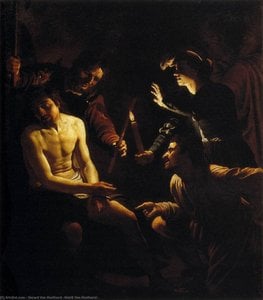
Susanna and the Elders

Experience Gerard van Honthorst’s ‘Susanna and the Elders’ (1655). A dramatic Baroque masterpiece featuring a captivating scene of vulnerability & intrigue. Hand-painted reproductions available.

Scopri Gerard van Honthorst (1590-1656), maestro dell'età dell'oro olandese e figura chiave del Caravaggismo di Utrecht. Esplora ritratti, opere bibliche e la sua influenza sull'arte barocca.

Giclée / Stampe d'arte

Stampa giclée o su tela di qualità museale, con produzione rapida e diverse opzioni di finitura. (Acquista il dipinto realizzato a mano Acquista il dipinto realizzato a manoPassa all'immagine digitale Passa all'immagine digitale)

P118B $10
P118H $10
P118W $10
P438Z $10
P508JH $12
P508YH $12
P805H $10
P805Z $10
P919BZ $10
P919G $10
P919XJ $10
P959ZH $10
P968JZ $12
W106C $8
W218G $10
W218JH $8
W218Y $10
W307PJ $10
W316G $10
W316PJ $8
W316Y $10
W398PJ $8
W4111J $10
W500HY $15
W500JH $15
W692G $12
W849H $8
W940BG $15
W953PJ $8

Formato standard
su misura
CM
INCH

Scegli tra le nostre dimensioni predefinite, che rispettano le proporzioni originali dell'opera d'arte.

larghezza
altezza

È possibile inserire dimensioni personalizzate per adattare l'opera a una cornice o a uno spazio specifico. Se la dimensione selezionata non corrisponde alle proporzioni dell'immagine originale, procederemo al ritaglio dell'opera o all'estensione dell'immagine con un bordo specchiato o a tinta unita. Un mockup digitale ti verrà inviato per approvazione prima dell'inizio della produzione.
Si prega di notare che l'anteprima a schermo non riflette il ritaglio o l'estensione effettivi. Solo il mockup mostrerà accuratamente la composizione finale.
Sebbene siano disponibili dimensioni personalizzate, si raccomanda di selezionare una dimensione dall'elenco predefinito per preservare le proporzioni originali.

Consegna in tutto il mondo () in 2 settimane invece delle normali 4/5 settimane. (11 Settembre)

why_choose_icon
Spedizione espressa gratuita in tutto il mondo
why_choose_icon
Tela in lino di alta qualità
why_choose_icon
Assicurazione completa sulla spedizione
why_choose_icon
Garanzia di rimborso dei dazi doganali
why_choose_icon
Garanzia di fedeltà cromatica
why_choose_icon
Politica di reso entro 100 giorni (solo per difetti)
why_choose_icon
Garanzia di rimborso al 100%
why_choose_icon
Offerta per acquisti multipli

Prezzo totale

$ 68

reproduction

Susanna and the Elders

Giclée / Stampe d'arte

Dimensioni riproduzione

-

Prezzo totale calcolato

$ 68

Informazioni rapide

  • Subject or theme: Biblical Narrative
  • Movement: Baroque
  • Medium: Oil on canvas
  • Influences: Caravaggio
  • Title: Susanna and the Elders
  • Year: 1655
  • Artist: Gerard van Honthorst

A Masterpiece of Dramatic Light and Shadow: Gerard van Honthorst’s Susanna and the Elders

Gerard van Honthorst emerged from Utrecht in 1592, a pivotal figure poised to illuminate the Dutch Golden Age with his dramatic artistry. Initially guided by his father, a decorative painter, young Gerard’s talent blossomed under the tutelage of Abraham Bloemaert, establishing a solid foundation in draftsmanship and composition. However, it was a transformative journey to Rome that irrevocably altered the course of his artistic development. There, amidst the fervent energy of the Italian Baroque, he encountered the groundbreaking work of Caravaggio – an encounter that would define his signature style and earn him the evocative nickname “Gherardo delle Notti,” or Gerard of the Nights. The dramatic use of tenebrism, a technique employing stark contrasts between light and dark, became Honthorst’s hallmark, imbuing his canvases with a palpable sense of drama and emotional intensity. He wasn't merely imitating Caravaggi; he absorbed Caravaggio’s revolutionary approach to portraying human emotion and psychological complexity, adapting it to the conventions of Dutch portraiture. This fusion resulted in an unparalleled ability to capture fleeting expressions and convey profound narratives within meticulously crafted compositions.
  • Subject Matter: The painting depicts a biblical episode – Susanna and the Elders – recounting the tale of a woman falsely accused of adultery by two men who attempted to seduce her.
  • Style: Honthorst’s work firmly resides within the Baroque style, characterized by grandeur, theatricality, and an emphasis on emotional impact.
  • Technique: He skillfully employed tenebrism, Caravaggio's signature technique, creating a dramatic chiaroscuro effect that highlights key figures and amplifies the tension of the scene. The meticulous layering of paint—particularly in capturing skin tones and drapery folds—demonstrates exceptional draughtsmanship.

Historical Context: Rome and the Influence of Caravaggio

Honthorst’s formative years in Rome were instrumental in shaping his artistic vision. Witnessing Caravaggio's revolutionary approach to painting – prioritizing realism, emotional intensity, and dramatic lighting – profoundly impacted him. Caravaggio shattered traditional conventions by rejecting idealized depictions and favoring unflinching portrayals of human experience, capturing moments of vulnerability and psychological struggle with unprecedented honesty. Honthorst embraced this ethos, adapting Caravaggio’s techniques to the Dutch aesthetic while retaining his own distinctive flair for theatrical presentation. This encounter cemented his reputation as “Gherardo delle Notti,” reflecting his mastery of manipulating light and shadow to evoke powerful emotions in the viewer.
  • Caravaggio's Impact: Honthorst’s artistic sensibilities were fundamentally altered by Caravaggio’s rejection of idealized beauty and embrace of dramatic realism.
  • Roman Patronage: Cardinal Scipione Borghese, a prominent patron of the arts, commissioned numerous works from Honthorst during his Roman period, furthering his artistic development and establishing him as a leading figure in the Baroque movement.

Symbolism and Emotional Resonance

The painting transcends its biblical narrative to explore themes of innocence versus corruption, vulnerability versus deceit, and moral fortitude against manipulative pressure. Susanna’s unwavering refusal to succumb to temptation embodies virtue and resilience—a powerful message conveyed through Honthorst's masterful use of light and shadow. The Elders’ attempts to seduce Susanna represent the dangers of lust and ambition, highlighting the importance of ethical conduct. Furthermore, the dramatic composition itself contributes to the emotional impact of the artwork, drawing viewers into the scene and eliciting contemplation on themes of justice and righteousness. Honthorst's ability to convey complex psychological states through subtle gestures and facial expressions underscores his artistic genius.

Legacy and Reproduction

Gerard van Honthorst’s “Susanna and the Elders” remains a celebrated masterpiece, admired for its technical brilliance and profound emotional depth. Reproductions of this iconic artwork offer collectors and interior designers alike an opportunity to experience the grandeur and drama of Baroque painting in their homes. WahooArt.com presents high-quality reproductions that faithfully capture the original’s luminous palette and intricate detail—allowing admirers worldwide to appreciate the enduring beauty and artistic significance of Honthorst's seminal work.

Biografia dell'artista

La Vita e la Formazione di Gerard van Honthorst

Gerard van Honthorst, nato a Utrecht il 4 novembre 1590, fu un pittore olandese di grande rilievo durante l'età dell'oro olandese. Figlio di un pittore decorativo, ricevette le prime istruzioni artistiche dal padre e successivamente affinò la sua tecnica sotto la guida di Abraham Bloemaert. Questa formazione iniziale gettò le basi per il suo sviluppo artistico futuro.

Il Periodo Italiano e l'Influenza del Caravaggismo

Un momento cruciale nella carriera di van Honthorst fu il suo viaggio a Roma, dove rimase profondamente influenzato dallo stile di Caravaggio. L’incontro con la pittura tenebrista e drammatica di Caravaggio lo portò ad adottare un approccio simile nelle sue opere, caratterizzato da forti contrasti chiaroscurali e scene illuminate artificialmente. Questo periodo romano gli valse il soprannome di "Gherardo delle Notti" ("Gerard of the Nights"), in riferimento alla sua predilezione per le scene notturne. Durante la sua permanenza a Roma, lavorò per importanti mecenati come Vincenzo Giustiniani, che commissionò l'opera "Cristo davanti al Sommo Sacerdote", ora conservata nella National Gallery di Londra.

Il Ritorno in Olanda e il Successo come Ritrattista

Nel 1620, van Honthorst fece ritorno nei Paesi Bassi, stabilendosi a Utrecht. Qui, divenne una figura di spicco nel panorama artistico olandese, acquisendo rapidamente fama come ritrattista di successo. La sua abilità nel catturare la somiglianza e l'essenza dei suoi soggetti lo rese molto richiesto da nobili e personalità influenti dell’epoca. Nel 1623, divenne presidente della gilda di San Luca a Utrecht, un segno del suo prestigio e riconoscimento all'interno della comunità artistica.

Stile Artistico e Contributi al Barocco Olandese

Lo stile di van Honthorst si caratterizza per l’uso magistrale della luce e dell’ombra, ereditato dal caravaggismo, ma reinterpretato in chiave olandese. Le sue opere spesso raffigurano scene bibliche o mitologiche illuminate da una fonte luminosa artificiale, creando un'atmosfera drammatica e suggestiva. Van Honthorst contribuì significativamente allo sviluppo del barocco olandese, influenzando numerosi artisti contemporanei e successivi. La sua capacità di combinare l’influenza italiana con la tradizione pittorica olandese lo rese una figura unica nel panorama artistico del XVII secolo.

Collaborazioni e Opere Significative

Van Honthorst collaborò con altri importanti artisti dell'epoca, tra cui Peter Paul Rubens, dimostrando la sua apertura alle influenze artistiche internazionali. Tra le sue opere più significative si ricordano "Cristo davanti al Sommo Sacerdote", commissionata da Vincenzo Giustiniani, e "L’adorazione del Bambino", un dipinto che esemplifica il suo stile tenebrista. La "Presa di Cristo", inizialmente attribuita interamente a van Honthorst, è ora riconosciuta come opera collaborativa, testimoniando la complessità delle dinamiche artistiche dell'epoca.
Gerard van Honthorst

Gerard van Honthorst

1590 - 1656 , Paesi Bassi

Dati rapidi

  • Artisti Influenti:
    • Caravaggio
    • Abraham Bloemaert
  • Data Di Morte: 1656
  • Data Di Nascita: 4 novembre 1590
  • Luogo Di Nascita: Utrecht, Paesi Bassi
  • Movimento Artistico: Caravaggismo olandese
  • Nazionalità: Olandese
  • Nome Completo: Gerard van Honthorst
  • Opere Notevoli:
    • Cristo davanti al sommo sacerdote
    • L'adorazione del Bambino
Esplora le opere d'arte organizzate per temi, stili e caratteristiche.