Anteprima in scala realeAnteprima in scala reale Anteprima ARAnteprima AR Acquista stampa Acquista stampaAcquista immagine Acquista immagine InviaInvia
Dettagli operaDettagli opera Aggiungi ai preferiti Aggiungi ai preferiti Scarica immagineScarica immagine SimiliSimili RadiografiaRadiografia SlideshowSlideshow

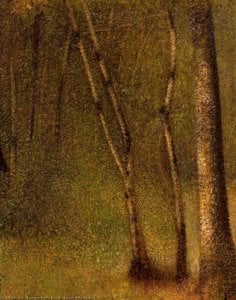
Forest Path, Barbizon

Georges Seurat's "Forest Path, Barbizon" captures serene woodland tranquility with Pointillism’s luminous dots. Explore the artist’s revolutionary technique and a timeless landscape masterpiece.

Scopri Georges Seurat (1859-1891), pioniere del Puntinismo e Neoimpressionismo! Ammira 'Una domenica a La Grande Jatte' e la sua rivoluzionaria teoria del colore che cattura la vita moderna. Acquista riproduzioni dipinte a mano!

Riproduzione a olio fatta a mano

Olio su tela dipinto a mano nelle tue dimensioni e con la tua cornice, realizzato su ordinazione dai nostri artisti. (Acquista stampa Acquista stampaAcquista immagine Acquista immagine)

P118B $10
P118H $10
P118W $10
P438Z $10
P508JH $12
P508YH $12
P805H $10
P805Z $10
P919BZ $10
P919G $10
P919XJ $10
P959ZH $10
P968JZ $12
W106C $8
W218G $10
W218JH $8
W218Y $10
W307PJ $10
W316G $10
W316PJ $8
W316Y $10
W398PJ $8
W4111J $10
W500HY $15
W500JH $15
W692G $12
W849H $8
W940BG $15
W953PJ $8

Formato standard
su misura
CM
INCH

Scegli tra le nostre dimensioni predefinite, che rispettano le proporzioni originali dell'opera d'arte.

larghezza
altezza

È possibile inserire dimensioni personalizzate per adattare l'opera a una cornice o a uno spazio specifico. Se la dimensione selezionata non corrisponde alle proporzioni dell'immagine originale, provvederemo a ritagliare l'opera o a estendere il dipinto con elementi aggiuntivi dipinti a mano. Un mockup digitale ti sarà inviato per approvazione prima dell'inizio della produzione.
Si prega di notare che l'anteprima a schermo non riflette il ritaglio o l'estensione effettivi. Solo il mockup mostrerà accuratamente la composizione finale.
Sebbene siano disponibili dimensioni personalizzate, consigliamo di selezionare una dimensione dall'elenco predefinito per preservare le proporzioni originali.

Esempi di ciò che può essere modificato: sostituire il volto con una foto del cliente; aggiungere un animale domestico (ad esempio, sostituire un gatto con un cane); inserire un messaggio nascosto nello sfondo; cambiare il paesaggio o gli elementi dello sfondo.
Dopo l'ordine, il team di WahooArt.com contatterà il cliente via e-mail per le istruzioni e fornirà un'anteprima del mockup

Consegna in tutto il mondo () in 3/4 settimane anziché nelle normali 5 settimane. (6 Settembre). Nessun compromesso sulla qualità.

why_choose_icon
Spedizione espressa gratuita in tutto il mondo
why_choose_icon
Tela in lino di alta qualità
why_choose_icon
Assicurazione completa sulla spedizione
why_choose_icon
Garanzia di rimborso dei dazi doganali
why_choose_icon
Garanzia di fedeltà cromatica
why_choose_icon
Politica di reso entro 100 giorni (solo per difetti di fabbricazione)
why_choose_icon
Garanzia di rimborso al 100%
why_choose_icon
Offerta per acquisti multipli

Prezzo totale

$ 272

reproduction

Forest Path, Barbizon

Tecnica di riproduzione

Dimensioni riproduzione

-

Prezzo totale calcolato

$ 272

Informazioni rapide

  • Medium: Oil on Canvas
  • Influences: Impressionism
  • Notable elements: Pointillism
  • Artist: Georges Seurat
  • Artistic style: Luminous Precision
  • Location: Private Collection
  • Subject or theme: Forest Landscape

Quiz d'arte

Per ogni domanda è presente una sola risposta corretta.

Domanda 1:
What artistic movement is Georges Seurat primarily associated with?
Domanda 2:
The painting 'Forest Path, Barbizon' predominantly utilizes which color palette?
Domanda 3:
What technique did Georges Seurat develop to create the visual effects in 'Forest Path, Barbizon'?
Domanda 4:
In what year was 'Forest Path, Barbizon' painted?
Domanda 5:
The painting evokes a sense of what atmosphere or feeling?

A Glimpse of Tranquility: Seurat’s “Forest Path, Barbizon”

Georges Pierre Seurat's "Forest Path, Barbizon," painted in 1883, is more than just a depiction of a woodland scene; it’s a meticulously constructed meditation on light, color, and the very essence of perception. Created during his pivotal period exploring Pointillism – a technique he pioneered alongside Paul Signac – this work embodies Seurat's rigorous scientific approach to art while simultaneously radiating an undeniable sense of serenity. The painting transports us to the heart of the Barbizon Forest, a region renowned for its light and atmospheric qualities that drew artists seeking to capture the fleeting effects of nature. Unlike the Impressionists who focused on capturing immediate visual impressions, Seurat sought to analyze and deconstruct these impressions into their fundamental components: color and light.

The Science of Color – Pointillism in Action

At first glance, “Forest Path, Barbizon” might appear deceptively simple. However, a closer examination reveals the extraordinary complexity woven into its surface. Seurat employed the Pointillist technique—a revolutionary approach where tiny dots of pure color are applied to the canvas, allowing the viewer’s eye to blend them optically. This wasn't haphazard application; it was based on his study of optics and color theory, specifically Charles Blanc’s theories on how the human eye perceives color. Seurat believed that by using a vast array of colors – often juxtaposing complementary hues – he could create an illusion of depth, luminosity, and atmospheric perspective without resorting to traditional blending methods. The result is a shimmering surface, alive with subtle variations in tone and hue, mimicking the way sunlight filters through leaves and branches. The meticulous arrangement of these dots creates a vibrant, almost vibrating effect, particularly noticeable when viewed from a distance.

Barbizon’s Influence – Light, Atmosphere, and the Pursuit of Truth

The Barbizon school of painters, to which Seurat belonged, represented a significant shift in artistic practice. Rejecting the studio-bound traditions of academic art, these artists sought to paint *en plein air*—outdoors—directly from nature. They were particularly interested in capturing the subtle shifts in light and atmosphere that characterized the Fontainebleau Forest, a location favored for its diffused sunlight and rich colors. Seurat’s “Forest Path” is deeply rooted in this Barbizon aesthetic, prioritizing observation and scientific analysis over purely representational accuracy. The path itself, winding through the trees, becomes a symbolic invitation—a journey into the heart of nature's beauty and the artist’s intellectual pursuit.

Symbolism and Emotional Resonance – A Path to Contemplation

Beyond its technical brilliance, “Forest Path, Barbizon” possesses a quiet emotional resonance. The empty path suggests solitude and contemplation, inviting the viewer to step into the scene and experience it for themselves. The dappled sunlight filtering through the trees creates a sense of warmth and tranquility, while the muted greens and browns evoke a feeling of grounding and connection with nature. The single bird perched on a branch adds a touch of life and movement, hinting at the hidden wonders within this serene landscape. Seurat’s work isn't simply about depicting a forest; it’s about capturing a state of mind—a moment of peaceful reflection amidst the beauty of the natural world. It speaks to our innate desire for escape and connection with something larger than ourselves.
  • Dimensions: Unknown
  • Date: 1883
  • Artist: Georges Seurat
WahooArt offers meticulously crafted, hand-painted reproductions of “Forest Path, Barbizon,” allowing you to bring this iconic masterpiece into your home or office. Choose from a range of sizes and canvas materials to perfectly complement your space and style. Experience the brilliance of Seurat’s Pointillist technique firsthand – a truly captivating addition to any art collection.

Biografia dell'artista

Georges Pierre Seurat: Un Pioniere del Neoimpressionismo

Primi Anni di Vita e Formazione

  • Nato il: 2 dicembre 1859 a Parigi, Francia.
  • La famiglia di Seurat si trasferì sul Boulevard de Magenta poco dopo la sua nascita.
  • Suo padre, Antoine Chrysostome Seurat, era un ex funzionario legale che divenne ricco grazie alla speculazione immobiliare.
  • Iniziò il suo addestramento artistico all'École Municipale di Scultura e Disegno, vicino a casa sua, sotto lo scultore Justin Lequien.
  • Nel 1878, si iscrisse alla prestigiosa École des Beaux-Arts, studiando sotto Henri Lehmann.

Sviluppo Artistico e Influenze

  • La personalità artistica di Seurat era un'affascinante combinazione di sensibilità e astrazione logica. Combinava una delicata sensibilità con la precisione matematica.
  • Influenze: Mentre le influenze specifiche sono dibattute, studiò le teorie del colore degli scienziati come Michel Eugène Chevreul e Ogden Rood.
  • Inizialmente sperimentò tecniche di disegno tradizionali prima di sviluppare il suo stile distintivo.
  • Le sue opere giovanili mostrano interesse per la pittura accademica ma si sono gradualmente spostate verso un approccio più innovativo.

Chromoluminarismo e Puntinismo

  • Seurat ideò le tecniche di chromoluminarismo (la scienza del colore) e puntinismo, applicando piccoli punti distinti di puro colore su una tela.
  • Utilizzava il Conté crayon per disegni dettagliati su carta con superfici ruvide come parte del suo processo.
  • Obiettivo del Puntinismo: L'idea era che l'occhio dello spettatore avrebbe mescolato questi colori otticamente, creando un effetto vibrante e luminoso.

Realizzazioni Principali e Opere Notevoli

  • Un pomeriggio di domenica sull’isola della Grande Jatte (1884-1886): Il suo lavoro più famoso, che segna l'inizio del Neoimpressionismo. Esemplifica la sua tecnica puntinista e il suo approccio meticoloso.
  • Alfalfa, Saint-Denis (1886-1887): Dimostra la sua applicazione della teoria del colore a un paesaggio rurale.
  • Paesaggio a Saint-Ouen (1882-1883): Un esempio precoce che mostra il suo stile in evoluzione e il suo interesse per la luce e l'atmosfera.
  • La Torre Eiffel (1889): Una rappresentazione dell’iconico monumento parigino, resa con tecniche puntilliste.
  • Bagnanti ad Asnières (1884): Un altro lavoro significativo che esplora il tempo libero e la vita moderna con il suo stile distintivo.

Significato Storico ed Eredità

  • Il lavoro di Seurat ha influenzato profondamente lo sviluppo dell'arte moderna, in particolare attraverso l'enfasi sull'espressione soggettiva ed esplorazione di nuove tecniche.
  • Ha aperto la strada: Ha aperto la strada a movimenti come il Fauvismo, il Cubismo e l’Espressionismo astratto.
  • Il suo approccio scientifico alla pittura ha sfidato le convenzioni artistiche tradizionali.
  • Nonostante la sua breve vita (morì all'età di 31 anni), Seurat ha lasciato un segno indelebile nella storia dell’arte, ispirando generazioni di artisti con la sua visione innovativa.
Georges Pierre Seurat

Georges Pierre Seurat

1859 - 1891 , Francia

Dati rapidi

  • Artistic Movement Or Style: Neo-Impressionismo, Puntinismo
  • Artists Or Movements Influenced By This Artist:
    • Fauvismo
    • Cubismo
    • Espressionismo astratto
  • Artists Who Influenced This Artist:
    • Michel Eugène Chevreul
    • Ogden Rood
  • Date Of Birth: 2 dicembre 1859
  • Full Name: Georges Pierre Seurat
  • Nationality: Francese
  • Notable Artworks:
    • Una domenica a La Grande Jatte
    • Bagnanti ad Asnières
    • La Torre Eiffel
    • Alfalfa, Saint-Denis
  • Place Of Birth (City And Country): Parigi, Francia
Esplora le opere d'arte organizzate per temi, stili e caratteristiche.