x
Anteprima in scala realeAnteprima in scala reale Anteprima ARAnteprima AR Acquista stampa Acquista stampaAcquista immagine Acquista immagine InviaInvia
Dettagli operaDettagli opera Aggiungi ai preferiti Aggiungi ai preferiti Scarica immagineScarica immagine SimiliSimili RadiografiaRadiografia SlideshowSlideshow


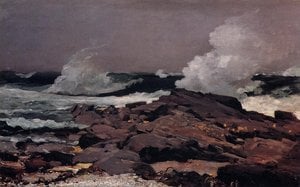
Monhegan Island

George Bellows’ "Monhegan Island" captures the rugged beauty of Maine's coast with dynamic brushstrokes and evocative light. A powerful depiction of nature's strength, painted in 1913.

Scopri George Wesley Bellows (1882-1925), pittore realista americano che immortalò la vita urbana e le scene di pugilato. Esplora il suo stile Ashcan, pennellate audaci e rappresentazioni incisive della NYC.

Riproduzione a olio fatta a mano

Olio su tela dipinto a mano nelle tue dimensioni e con la tua cornice, realizzato su ordinazione dai nostri artisti. (Acquista stampa Acquista stampaAcquista immagine Acquista immagine)

P118B $10
P118H $10
P118W $10
P438Z $10
P508JH $12
P508YH $12
P805H $10
P805Z $10
P919BZ $10
P919G $10
P919XJ $10
P959ZH $10
P968JZ $12
W106C $8
W218G $10
W218JH $8
W218Y $10
W307PJ $10
W316G $10
W316PJ $8
W316Y $10
W398PJ $8
W4111J $10
W500HY $15
W500JH $15
W692G $12
W849H $8
W940BG $15
W953PJ $8

Formato standard
su misura
CM
INCH

Scegli tra le nostre dimensioni predefinite, che rispettano le proporzioni originali dell'opera d'arte.

larghezza
altezza

È possibile inserire dimensioni personalizzate per adattare l'opera a una cornice o a uno spazio specifico. Se la dimensione selezionata non corrisponde alle proporzioni dell'immagine originale, provvederemo a ritagliare l'opera o a estendere il dipinto con elementi aggiuntivi dipinti a mano. Un mockup digitale ti sarà inviato per approvazione prima dell'inizio della produzione.
Si prega di notare che l'anteprima a schermo non riflette il ritaglio o l'estensione effettivi. Solo il mockup mostrerà accuratamente la composizione finale.
Sebbene siano disponibili dimensioni personalizzate, consigliamo di selezionare una dimensione dall'elenco predefinito per preservare le proporzioni originali.

Esempi di ciò che può essere modificato: sostituire il volto con una foto del cliente; aggiungere un animale domestico (ad esempio, sostituire un gatto con un cane); inserire un messaggio nascosto nello sfondo; cambiare il paesaggio o gli elementi dello sfondo.
Dopo l'ordine, il team di WahooArt.com contatterà il cliente via e-mail per le istruzioni e fornirà un'anteprima del mockup

Consegna in tutto il mondo () in 3/4 settimane anziché nelle normali 5 settimane. (3 Settembre). Nessun compromesso sulla qualità.

why_choose_icon
Spedizione espressa gratuita in tutto il mondo
why_choose_icon
Tela in lino di alta qualità
why_choose_icon
Assicurazione completa sulla spedizione
why_choose_icon
Garanzia di rimborso dei dazi doganali
why_choose_icon
Garanzia di fedeltà cromatica
why_choose_icon
Politica di reso entro 60 giorni (solo per difetti di fabbricazione)
why_choose_icon
Garanzia di rimborso al 100%
why_choose_icon
Offerta per acquisti multipli

Prezzo totale

$ 272

reproduction

Monhegan Island

Tecnica di riproduzione

Dimensioni riproduzione

-

Prezzo totale calcolato

$ 272

Informazioni rapide

  • Artist: George Bellows
  • Year: 1913
  • Movement: Ashcan School
  • Title: Monhegan Island
  • Medium: Oil on panel
  • Notable elements: Coastal scene, rocks
  • Subject or theme: Ocean landscape

Quiz d'arte

Per ogni domanda è presente una sola risposta corretta.

Domanda 1:
What is the primary subject of George Wesley Bellows’ ‘Monhegan Island’?
Domanda 2:
In what year was George Wesley Bellows’ ‘Monhegan Island’ painted?
Domanda 3:
Which artistic movement is George Bellows most closely associated with?
Domanda 4:
What type of building is the Monhegan Island Light housed in?
Domanda 5:
The painting ‘Monhegan Island’ by Bellows is known for its depiction of:

A Storm’s Embrace: Bellows' Monhegan Island

George Wesley Bellows’ “Monhegan Island,” painted in 1913, isn’t merely a depiction of a coastal scene; it’s a visceral embodiment of the raw energy and untamed spirit of early 20th-century America. This evocative work captures a dramatic seascape – a churning ocean relentlessly assaulting jagged, red-streaked rocks – yet within this turbulent exterior lies a profound sense of quiet observation and understated power. Bellows, a key figure in the Ashcan School movement, eschewed idealized landscapes for the gritty realities of urban life, but his ability to translate that sensibility to the natural world is strikingly evident here. The painting’s strength resides not just in its technical mastery, but in its capacity to evoke a deeply felt connection to the elemental forces of nature and the human experience within them.

The Painter's Hand: Technique and Style

Bellows employed a distinctive technique characterized by bold brushstrokes and a vibrant, almost frenetic energy. The paint is applied with thick impasto in areas like the crashing waves and the textured rocks, creating a palpable sense of movement and volume. Notice how he uses short, choppy strokes to convey the relentless motion of the water, contrasted with broader, more fluid marks for the sky and distant coastline. This dynamic approach reflects Bellows’ interest in capturing not just what *looked* like a seascape, but also *how* it felt – the power, the chaos, and ultimately, the sublime beauty of the ocean's embrace. The color palette is dominated by cool blues and greens, punctuated by flashes of fiery orange and red within the rocks, creating a dramatic interplay of light and shadow that intensifies the scene’s emotional impact. The composition itself is carefully constructed, drawing the eye towards the tumultuous center while maintaining a sense of balance and perspective.

Monhegan: A Haven for Artists

To fully appreciate “Monhegan Island,” it's crucial to understand its historical context. In 1913, Monhegan Island off the coast of Maine was experiencing a remarkable artistic renaissance. Drawn by the island’s dramatic landscape and isolation, artists like Rockwell Kent, Edward Hopper, and, of course, Bellows, flocked to its shores seeking inspiration. This period saw Monhegan transform into a vibrant community of painters, writers, and naturalists, fostering an atmosphere of creative exchange and experimentation. The island's rugged beauty, combined with the relative seclusion from the pressures of urban life, provided a unique environment for artists to explore their ideas and develop their individual styles. Bellows’ painting is therefore not just a personal statement; it’s also a reflection of this broader artistic movement and the transformative power of place.

Symbolism and Emotional Resonance

Beyond its technical brilliance, “Monhegan Island” resonates with deeper symbolic meaning. The turbulent sea can be interpreted as representing the challenges and uncertainties of life, while the steadfast rocks symbolize resilience and endurance. The interplay between light and shadow suggests a constant struggle between hope and despair, beauty and destruction. The small boat in the distance hints at human presence within this vast, indifferent landscape – a reminder of our vulnerability and our connection to the natural world. Bellows masterfully captures not just a visual scene but also a complex emotional state, inviting viewers to contemplate their own relationship with nature, life, and the enduring power of the human spirit. The painting’s raw energy and dramatic intensity evoke a sense of awe and wonder, prompting us to consider the sublime beauty that can be found even in the face of chaos.

Reproductions and Display

High-quality reproductions of “Monhegan Island” capture much of the original's power, offering an accessible way to bring this iconic work into any setting. When displayed, consider framing options that complement the painting’s dramatic palette – a dark wood frame can enhance the sense of depth and intensity, while a lighter tone might allow the colors to shine through more vividly. This piece would be particularly striking in a coastal-themed room or an interior space seeking to evoke a feeling of rugged beauty and timelessness.

Biografia dell'artista

La Giovinezza e la Formazione

George Wesley Bellows, figura di spicco nell'arte americana, nacque il 12 o il 19 agosto 1882 a Columbus, Ohio. Era figlio unico di George Bellows e Anna Wilhelmina Smith Bellows. La sua precoce inclinazione per l'arte si manifestò fin da bambino, con disegni che riempivano le sue prime pagine prima ancora di iniziare la scuola elementare.

La Carriera Artistica

Il percorso artistico di Bellows iniziò con illustrazioni commerciali, evolvendo poi verso una carriera pittorica. Frequentò l'Ohio State University (1901-1904), dove si distinse non solo per le sue capacità artistiche ma anche come atleta, giocando nelle squadre di baseball e basket. Tuttavia, la sua vera passione risiedeva nell'arte, spingendolo a trasferirsi a New York City nel 1904 per studiare sotto la guida di Robert Henri. Bellows si associò al movimento "The Eight" e alla Scuola Ashcan, promuovendo la rappresentazione della società americana contemporanea. Nel 1906 aprì un suo studio in Broadway Street, segnando l'inizio della sua prolifica carriera. La sua prima mostra importante nel 1908 presentò studi urbani, inizialmente criticati per la loro tecnica "grezza", ma riconosciuti anche per la loro audacia e innovazione.

Opere Principali e Contributi

Opere Chiave:
  • The Germans Arrive (1918) – una serie di litografie e dipinti che raffiguravano graficamente le atrocità commesse dalla Germania durante l'invasione del Belgio.
Musei che Espongono le Sue Opere:
George Wesley Bellows

George Wesley Bellows

1882 - 1925 , Stati Uniti d'America

Dati rapidi

  • Artisti Influenti: ['Robert Henri']
  • Data Di Nascita: 12 agosto 1882
  • Luogo Di Nascita: Columbus, Stati Uniti
  • Movimento Artistico: Ashcan School, Realismo americano
  • Nazionalità: Americana
  • Nome Completo: George Wesley Bellows
  • Opere Notevoli:
    • Central Park
    • The Germans Arrive
    • Margarite
    • Uomini del Porto
Esplora le opere d'arte organizzate per temi, stili e caratteristiche.