x
Anteprima in scala realeAnteprima in scala reale Anteprima ARAnteprima AR Acquista stampa Acquista stampaAcquista immagine Acquista immagine InviaInvia
Dettagli operaDettagli opera Aggiungi ai preferiti Aggiungi ai preferiti Scarica immagineScarica immagine SimiliSimili RadiografiaRadiografia SlideshowSlideshow


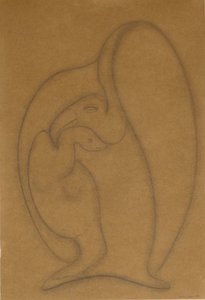
The suitor

Ammira il 'Ritratto di Re Alfonso I d'Aragona' di Francisco Pradilla! Un'opera maestosa che cattura la potenza e l'autorità del re guerriero, un simbolo dell'Aragona medievale. Scopri la sua storia e bellezza!

Riproduzione a olio fatta a mano

Olio su tela dipinto a mano nelle tue dimensioni e con la tua cornice, realizzato su ordinazione dai nostri artisti. (Acquista stampa Acquista stampaAcquista immagine Acquista immagine)

Standard
custom
CM
INCH

Scegli tra le nostre dimensioni predefinite, che rispettano le proporzioni originali dell'opera d'arte.

larghezza
altezza

È possibile inserire dimensioni personalizzate per adattare l'opera a una cornice o a uno spazio specifico. Se la dimensione selezionata non corrisponde alle proporzioni dell'immagine originale, provvederemo a ritagliare l'opera o a estendere il dipinto con elementi aggiuntivi dipinti a mano. Un mockup digitale ti sarà inviato per approvazione prima dell'inizio della produzione.
Si prega di notare che l'anteprima a schermo non riflette il ritaglio o l'estensione effettivi. Solo il mockup mostrerà accuratamente la composizione finale.
Sebbene siano disponibili dimensioni personalizzate, consigliamo di selezionare una dimensione dall'elenco predefinito per preservare le proporzioni originali.

Esempi di ciò che può essere modificato: sostituire il volto con una foto del cliente; aggiungere un animale domestico (ad esempio, sostituire un gatto con un cane); inserire un messaggio nascosto nello sfondo; cambiare il paesaggio o gli elementi dello sfondo.
Dopo l'ordine, il team di WahooArt.com contatterà il cliente via e-mail per le istruzioni e fornirà un'anteprima del mockup

Consegna in tutto il mondo () in 3/4 settimane anziché nelle normali 5 settimane. (25 Agosto). Nessun compromesso sulla qualità.

why_choose_icon
Spedizione espressa gratuita in tutto il mondo
why_choose_icon
Tela in lino di alta qualità
why_choose_icon
Assicurazione completa sulla spedizione
why_choose_icon
Garanzia di rimborso dei dazi doganali
why_choose_icon
Garanzia di fedeltà cromatica
why_choose_icon
Politica di reso entro 60 giorni (solo per difetti di fabbricazione)
why_choose_icon
Garanzia di rimborso al 100%
why_choose_icon
Offerta per acquisti multipli

Prezzo totale

$ 272

reproduction

The suitor

Tecnica di riproduzione

Dimensioni riproduzione

-

Prezzo totale calcolato

$ 272


Biografia dell'artista

Francisco Pradilla Ortiz: A Titan of Spanish Historical Painting

Francisco Pradilla Ortiz (1848-1921) stands as one of the most prolific and influential figures in 19th-century Spanish art, a true titan whose legacy continues to resonate within the artistic landscape. Born in Villanueva del Gallego, Zaragoza province, his artistic journey began with formal studies at Zaragoza University before he moved to San Fernando Academy and subsequently honed his skills at the Académie Royale des Beaux-Arts de Rome—a formative experience that exposed him to the grandeur of Italian Renaissance masters and profoundly shaped his stylistic sensibilities. This dedication to academic realism combined with subtle Impressionistic influences resulted in an oeuvre characterized by dramatic narratives and meticulous detail, securing his place as a cornerstone of Spanish artistic heritage.

Early Life & Education: Seeds of Artistic Passion

Pradilla’s upbringing nurtured within him a fervent appreciation for art from a young age. His studies at San Fernando Academy provided a bedrock of classical technique—particularly in drawing and sculpture—preparing him for the challenges ahead. Simultaneously, his immersion into the Académie Royale des Beaux-Arts de Rome proved pivotal; here he encountered Michelangelo, Raphael, and Titian firsthand, absorbing their compositional strategies and expressive approaches. This exposure instilled in him an unwavering commitment to mastering the visual arts and establishing himself as a respected artist within Europe’s artistic circles. He graduated from San Fernando Academy in 1873, marking the commencement of his professional career.

Rome and Artistic Influences: Embracing Renaissance Grandeur

The Roman academy irrevocably shaped Pradilla's artistic vision. The sheer scale and ambition of Michelangelo’s frescoes captivated him, prompting a deep contemplation of monumental art forms. Raphael’s harmonious compositions instilled in him an understanding of balance and elegance—principles he would consistently apply to his own work. Furthermore, Titian’s masterful use of color—particularly his ability to convey emotion through pigment—inspired Pradilla to experiment with bolder palettes and explore the expressive potential of visual media. These influences transcended mere stylistic imitation; they fostered a profound intellectual engagement with artistic tradition and fueled his creative endeavors throughout his life.

Return to Madrid & Museo Nacional del Prado: A Patron’s Vision

Upon returning to Spain, Pradilla accepted the prestigious role of Director of the Museo Nacional del Prado—a position he held briefly but which cemented his reputation as a champion of artistic excellence. Recognizing the importance of preserving and promoting Spanish art history, he championed ambitious conservation projects and oversaw significant acquisitions that enriched the museum’s collection. His leadership demonstrated not only administrative acumen but also an unwavering devotion to safeguarding cultural heritage for future generations. He remained active in artistic circles until his death in Madrid in 1921, leaving behind a legacy of scholarship and artistic stewardship.

A Career Defined by Monumental Commissions and Dramatic Narrative

Pradilla’s artistic reputation soared with the commission to depict “La Rendición de Granada” (The Surrender of Granada)—a monumental undertaking that consumed three years of his life and solidified his place in Spanish history. This ambitious project showcased his mastery of scale, color, and theatrical presentation—elements he would consistently employ throughout his career. The painting’s meticulous depiction of the siege and subsequent surrender captured the spirit of the era with remarkable accuracy and emotional intensity, reflecting Pradilla's profound understanding of historical storytelling. He skillfully utilized pyramidal compositions and vibrant hues to convey the drama unfolding before him, establishing himself as a master of visual narrative.

“La Rendición de Granada”: A Triumph of Scale and Emotion

“La Rendición de Granada” stands as Pradilla’s magnum opus—a testament to his technical prowess and artistic vision. The painting portrays the decisive moment when Ferdinand III and Pedro Sánchez Jiménez accepted the surrender of Granada, marking the end of Muslim rule in Spain after centuries of conflict. Pradilla achieved an unprecedented level of realism—capturing every detail with painstaking precision—while simultaneously conveying a palpable sense of pathos and grandeur. The monumental scale of the canvas demanded considerable effort and ingenuity from Pradilla’s studio, resulting in a masterpiece that continues to inspire admiration for its artistic achievement.

Beyond Granada: Genre Scenes and Landscapes – Exploring Diverse Artistic Expressions

While “La Rendición de Granada” remains his most celebrated work, Pradilla’s artistic output extended far beyond historical narratives. He produced numerous genre scenes—studies of everyday life—that captured the vibrancy and diversity of Spanish society during the Belle Époque. These paintings possessed a distinctive Impressionistic sensibility—characterized by loose brushstrokes and atmospheric effects—allowing him to convey mood and emotion with subtlety and grace. Furthermore, Pradilla excelled in landscape painting—creating evocative depictions of the Iberian countryside that reflected his deep appreciation for natural beauty. His landscapes demonstrated an innovative approach to capturing light and color—anticipating developments in Impressionism and establishing him as a versatile artist capable of exploring multiple artistic mediums.

Legacy and Recognition – An Artist Ahead of His Time

Francisco Pradilla Ortiz’s output exceeded 1,000 paintings—a remarkable feat that underscores his unwavering dedication to artistic pursuits. He remained steadfastly committed to exploring diverse subjects and styles without succumbing to prevailing trends, prioritizing artistic integrity above all else. His enduring influence can be seen in subsequent generations of Spanish painters who admired his technical brilliance and dramatic storytelling abilities. Today, Pradilla Ortiz’s works are housed in major museums across Europe and America—a testament to his lasting contribution to the history of art and a beacon for aspiring artists seeking inspiration from a master of academic realism infused with Impressionistic touches.
Francisco Pradilla Ortiz

Francisco Pradilla Ortiz

1848 - 1921 , Spagna

Dati rapidi

  • Artistic Movement Or Style: Realismo accademico con influenze impressioniste
  • Artists Who Influenced This Artist:
    • Michelangelo
    • Raphael
    • Titian
  • Date Of Birth: 1848
  • Date Of Death: 1921
  • Full Name: Francisco Pradilla Ortiz
  • Nationality: Spagnolo
  • Notable Artworks:
    • Doña Juana la Loca
    • La Rendición Granada
  • Place Of Birth: Villanavilla del Gallego, Spagna
Esplora le opere d'arte organizzate per temi, stili e caratteristiche.