


Stampa giclée o su tela di qualità museale, con produzione rapida e diverse opzioni di finitura. ( Acquista il dipinto realizzato a mano Acquista immagine)





























Scegli tra le nostre dimensioni predefinite, che rispettano le proporzioni originali dell'opera d'arte.

È possibile inserire dimensioni personalizzate per adattare l'opera a una cornice o a uno spazio specifico. Se la dimensione selezionata non corrisponde alle proporzioni dell'immagine originale, procederemo al ritaglio dell'opera o all'estensione dell'immagine con un bordo specchiato o a tinta unita. Un mockup digitale ti verrà inviato per approvazione prima dell'inizio della produzione.
Si prega di notare che l'anteprima a schermo non riflette il ritaglio o l'estensione effettivi. Solo il mockup mostrerà accuratamente la composizione finale.
Sebbene siano disponibili dimensioni personalizzate, si raccomanda di selezionare una dimensione dall'elenco predefinito per preservare le proporzioni originali.
Consegna in tutto il mondo () in 2 settimane invece delle normali 4/5 settimane. (7 Settembre)


Figuras en movimiento 1
Dimensioni riproduzione
To encounter Francis Bacon’s "Figuras en movimiento 1" is not merely to view a painting, but to undergo a profound psychological confrontation. This haunting masterpiece serves as a visceral testament to the anxieties of the post-war era, capturing the very essence of human vulnerability and the tremors of an uncertain existence. At its heart, the work presents an unsettling central subject: a nude male torso positioned within a room bathed in a muted, oppressive red hue. The figure’s back is turned toward the viewer, creating a deliberate emotional barrier that amplifies a sense of profound isolation. As one leg rests precariously on a ledge or table, the composition evokes a feeling of instability and physical precariousness, pulling the observer into a space where the boundaries between the body and its environment begin to dissolve.
Bacon’s approach to this piece defies traditional categorization, opting instead for what he termed “figuration”—a method that prioritively seeks psychological truth over anatomical accuracy. The technique is remarkably tactile; using a method known as “squeeze,” Bacon applied paint with heavy spatulas and knives to create thick, textured surfaces that pulse with palpable emotion. These distorted forms, reminiscent of raw anatomical sketches and grotesque imagery, lend the work a disturbing, lifelike energy. For the discerning collector or interior designer, such a piece offers more than mere decoration; it provides a commanding focal point that demands attention through its sheer textural depth and the electric, unsettling beauty of its distortions.
The historical context of this work is inseparable from its emotional weight. Emerging from the disillusionment following World War II, Bacon’s art reflects a broader cultural struggle to confront the trauma of conflict and the collapse of traditional order. In "Figuras en movimiento 1," the red room acts as a potent symbol—a space that can be interpreted as a site of passion and repressed desire, or more darkly, as a depiction of purgatory or Hell. This crimson environment, devoid of comfort, serves to trap the figure in a state of perpetual psychological struggle.
Every element within the frame contributes to this atmosphere of existential angst. The slumped posture of the figure and the presence of secondary, shadowy forms in the background suggest a world populated by ghosts of memory and fear. For those seeking to infuse a space with intellectual depth and a sense of historical gravity, this painting offers an unparalleled opportunity. A high-quality reproduction of this work allows the haunting architecture of isolation and the silent screams of the human condition to reside within a modern interior, transforming a room into a gallery of profound reflection and sophisticated, avant-garde expression.


1909 - 1992 , Irlanda

Esplora le 25 opere più iconiche di Francis Bacon, il maestro dell'espressionismo e della pittura figurativa. Scopri la storia, i colori e l'angoscia dietro ogni capolavoro. Riproduzioni d'arte di alta qualità su WahooArt.com.

Explore the rich symbolism of the red dress in art history! From ancient power displays to iconic portraits like Cézanne’s 'Madame Cezanne', discover the cultural and artistic significance behind this captivating color. Expert analysis & insights.
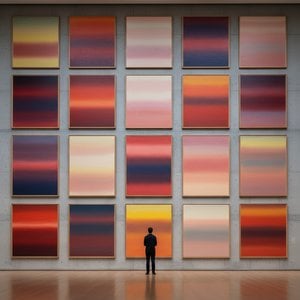
Esplora le 25 opere più iconiche di Mark Rothko, il maestro dell'espressionismo astratto. Scopri la storia, i colori e l'emozione dietro ogni tela. Acquista riproduzioni artistiche di alta qualità per arredare con stile su WahooArt.com

Esplora i 10 capolavori dell'Espressionismo Tedesco con WahooArt.com! Scopri Kirchner, Munch e Nolde, le loro emozioni intense e tecniche rivoluzionarie. Arreda la tua casa con stampe d'arte di alta qualità. Esplora la collezione online!
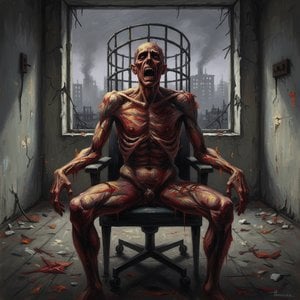
Esplora l'angoscia esistenziale di Francis Bacon attraverso un'analisi approfondita della sua vita, opere iconiche come il 'Triptico' e 'Tre Studi per Figure alla Base di una Croce'. Scopri come la sua arte riflette il trauma del dopoguerra.

 Anteprima in scala reale
 Invia
Invia Condividi
 Dettagli opera

 Scarica immagine
 Simili
 Radiografia
 Slideshow

 Espandi i dettagli







 L'opzione vetro è disponibile solo per dimensioni inferiori a 110 cm


