Vendi le tue opere
x
Anteprima in scala realeAnteprima in scala reale Anteprima in ARAnteprima in AR Ordina la riproduzione dipinta a mano Ordina la riproduzione dipinta a manoAcquista download Acquista download CondividiCondividi
DettagliDettagli Aggiungi ai preferiti Aggiungi ai preferiti Scarica immagineScarica immagine Articoli similiArticoli simili RadiografiaRadiografia SlideshowSlideshow

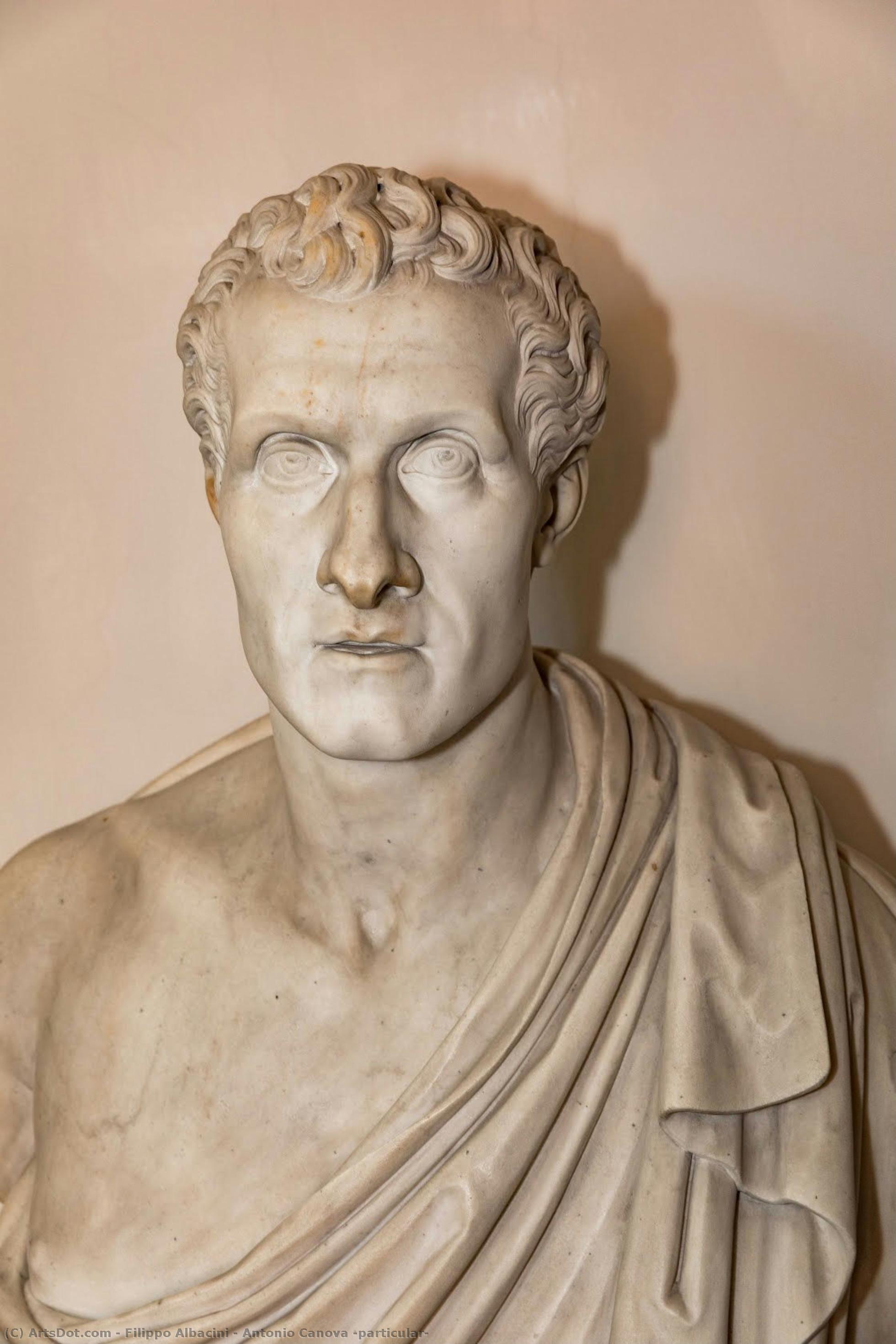
Antonio Canova (particular)

Meta Description: Lo scultore romano Filippo Albacini (1734-1813) è celebre per le sue precise copie di opere classiche come l'Ercole Farnese e la statua di Flora, nonché per i restauri monumentali dei Marmi Farnese e altri importanti manufatti archeologici. Scopri il suo contributo all'arte neoclassica!

Giclée / Stampe d'arte

Stampa giclée o su tela di qualità museale, con produzione rapida e diverse opzioni di finitura. (Ordina la riproduzione dipinta a mano Ordina la riproduzione dipinta a manoAcquista download Acquista download)

Standard
custom
CM
INCH

Scegli tra le nostre dimensioni predefinite, che rispettano le proporzioni originali dell'opera d'arte.

larghezza
altezza

È possibile inserire dimensioni personalizzate per adattare l'opera a una cornice o a uno spazio specifico. Se la dimensione selezionata non corrisponde alle proporzioni dell'immagine originale, procederemo al ritaglio dell'opera o all'estensione dell'immagine con un bordo specchiato o a tinta unita. Un mockup digitale ti verrà inviato per approvazione prima dell'inizio della produzione.
Si prega di notare che l'anteprima a schermo non riflette il ritaglio o l'estensione effettivi. Solo il mockup mostrerà accuratamente la composizione finale.
Sebbene siano disponibili dimensioni personalizzate, si raccomanda di selezionare una dimensione dall'elenco predefinito per preservare le proporzioni originali.

Consegna in tutto il mondo () in 2 settimane invece delle normali 4/5 settimane. (14 Agosto)

why_choose_icon
Spedizione espressa gratuita in tutto il mondo

why_choose_icon
Tela in lino di alta qualità
why_choose_icon
Assicurazione completa sulla spedizione
why_choose_icon
Garanzia di rimborso dei dazi doganali
why_choose_icon
Garanzia di fedeltà cromatica dell'originale
why_choose_icon
Politica di reso entro 60 giorni (solo per difetti di fabbricazione)
why_choose_icon
Garanzia di rimborso al 100%
why_choose_icon
Sconto per acquisti multipli

Prezzo totale

$ 68

reproduction

Antonio Canova (particular)

Giclée / Stampe d'arte

Dimensioni della riproduzione

-

Prezzo totale

$ 68


Biografia dell'artista

Filippo Albacini: The Restorer of Antiquity and Champion of Classical Copies

Filippo Albacini (1734 – 1813) stands as a pivotal figure in the artistic landscape of late Baroque and early Neoclassical Rome, recognized primarily for his meticulous craftsmanship as a sculptor and, crucially, as a restorer of ancient Roman sculpture. Born in Rome during a period marked by fervent revival of classical ideals, Albacini’s career intertwined seamlessly with the burgeoning fascination for Greco-Roman art and culture that captivated European intellectuals and artists alike. His legacy extends beyond individual masterpieces; he profoundly shaped the dissemination of classical imagery through casts and influenced scholarly discourse on artistic authenticity and ethical restoration practices—a contribution that continues to resonate within art historical scholarship even today. His formative years were spent under the tutelage of Bartolomeo Cavaceppi, a celebrated sculptor and restorer whose workshop served as a crucible for shaping Albacini’s artistic sensibilities. Cavaceppi instilled in him not merely technical skill but also an unwavering dedication to preserving and honoring the legacy of antiquity—a conviction that would define Albacini's entire professional life. This mentorship proved invaluable, equipping Albacini with the foundational knowledge necessary to undertake ambitious projects aimed at reviving classical aesthetics within the context of his time; it instilled in him a profound respect for the meticulous observation of nature and the pursuit of idealized beauty – principles that would permeate his subsequent artistic endeavors. Albacini’s artistic output is characterized by a remarkable duality: he excelled in creating accurate copies after celebrated Roman sculptures—particularly those originating from Hadrian’s Villa—and he undertook monumental restorations of significant monuments, notably the Farnese Marbles. The Farnese Hercules and Flora projects exemplify Albacini's meticulous attention to detail and his profound understanding of sculptural technique; these reproductions catered to a growing market for classical imagery amongst affluent patrons and contributed significantly to disseminating knowledge about Roma’s artistic heritage throughout Europe. He approached each commission with unwavering precision, striving for an unparalleled level of realism that captured the essence of the original sculptures—a testament to his mastery of sculpting materials and methods. His involvement with Thomas Jenkins, whose client was Charles Townley – a wealthy British aristocrat obsessed with collecting antiquities – cemented his reputation as the foremost sculptor-restorer of his era. Townley’s collection at the British Museum became Albacini’s showcase for demonstrating his expertise and furthering the scholarly understanding of Greco-Roman sculpture; he meticulously documented Cavaceppi's vast assemblage of antique sculptures, documenting their provenance and condition—a contribution that remains invaluable to art historians today. Notably, Albacini championed the creation of plaster casts of Roman busts, which were subsequently distributed across Europe’s leading museums, establishing a precedent for disseminating classical imagery beyond Rome itself – an initiative that underscored his commitment to preserving cultural heritage and promoting artistic appreciation amongst a wider audience. The enduring significance of Albacini's work lies not only in its artistic merit but also in its role as a catalyst for intellectual debate concerning the ethics of restoration and the interpretation of sculptural authenticity. The extensive collection of plaster casts procured by Albacini’s son in 1838 sparked considerable discussion regarding the criteria used to assess the value and cultural impact of casts—a conversation that continues to resonate within art historical scholarship. Filippo Albacini's dedication to preserving Roman sculpture and his influence on artistic discourse solidify his position as a cornerstone of Neoclassical Rome and an enduring testament to the transformative power of artistic craftsmanship – a legacy that continues to inspire artists and scholars alike.
Filippo Albacini

Filippo Albacini

1734 - 1813 , Italia

Informazioni rapide

  • Artistic Movement Or Style: Classical Copies
  • Artists Who Influenced This Artist: Bartolomeo Cavaceppi
  • Date Of Birth: 1734
  • Full Name: Filippo Albacini
  • Nationality: Italian
  • Notable Artworks:
    • The Farnese Hercules
    • Capitoline Flora
  • Place Of Birth: Roma