CONSULENZA D'ARTE GRATUITA

x
Acquista stampa Acquista stampaOrdina la riproduzione Ordina la riproduzione InviaInvia
DettagliDettagli Aggiungi ai preferiti Aggiungi ai preferiti ScaricaScarica SimiliSimili RadiografiaRadiografia SlideshowSlideshow

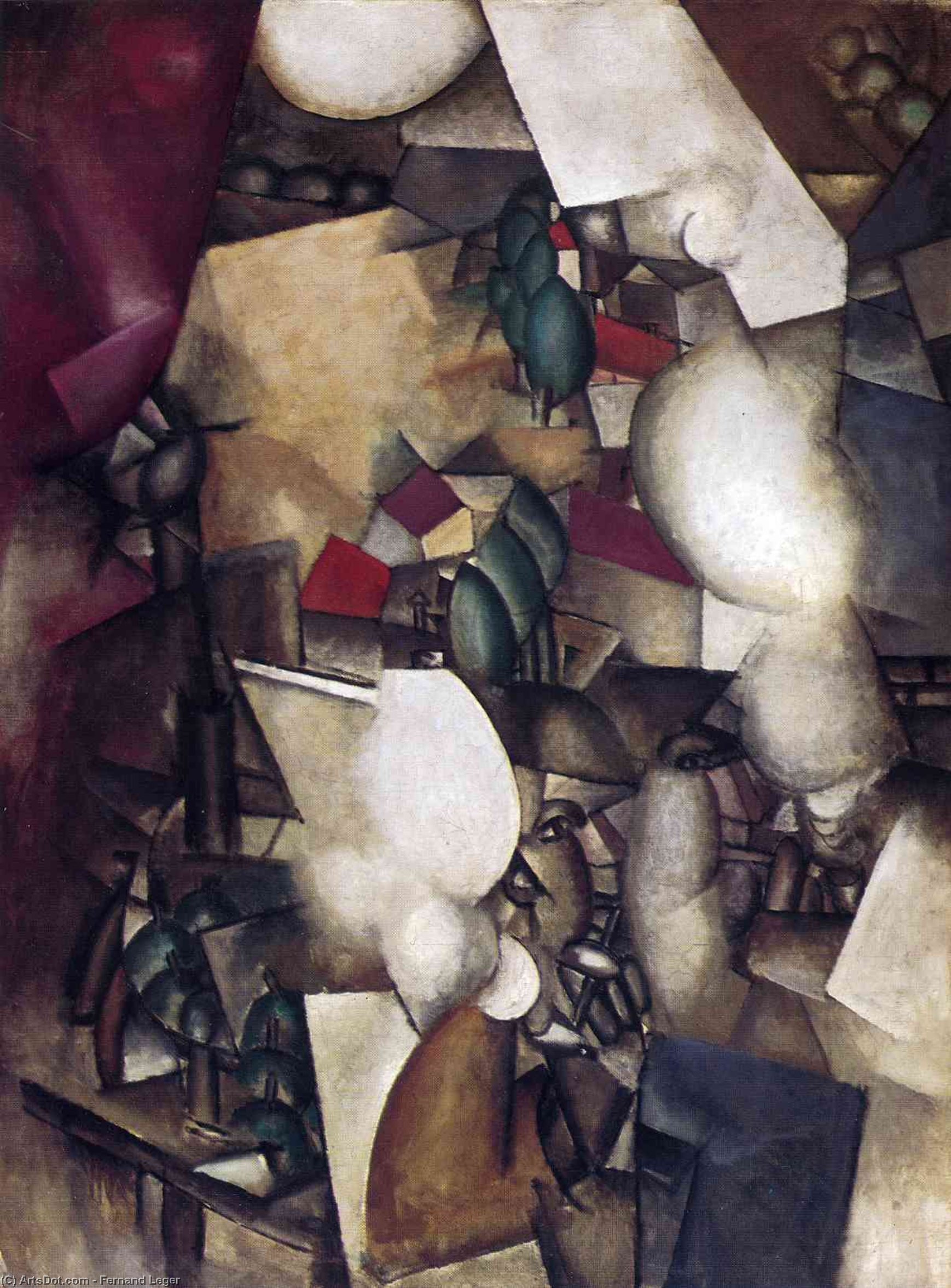
untitled (2966)

This striking cubist painting by Fernand Léger depicts a large white bird amidst oranges and scattered smaller birds, embodying the artist's exploration of machine age dynamism within an abstract visual language.

Esplora l'arte di Fernand Léger (1881-1955), un pioniere del Cubismo e della 'Tubismo'. Scopri i suoi audaci dipinti figurativi che celebrano la vita moderna, le macchine e la forma umana. Un precursore del Pop Art!

Acquista un'immagine digitale ad alta risoluzione e ottimizzata, di qualità nettamente superiore all'anteprima online.

Ogni file è meticolosamente preparato dai nostri specialisti interni attraverso l'uso di strumenti avanzati e un sapiente ritocco manuale. Garantiamo che ogni immagine presenti una chiarezza eccezionale, una precisione cromatica impeccabile e dettagli raffinati.

Il file finale viene consegnato via e-mail entro 72 ore, ottimizzato per un uso immediato in contesti professionali, editoriali e di stampa. Si tratta della stessa qualità affidata dai più prestigiosi studi di design, editori e gallerie d'arte.

Immagine Digitale

Scarica un file ad alta risoluzione per uso personale, per la stampa e per progetti creativi.

Prezzo totale

$9.99

Incluso in ogni ordine di immagini digitali

Consegna digitale professionale e garantita

Quando scegli WahooArt.com, non riceverai solo un'immagine: riceverai un'opera d'arte digitale professionalmente ottimizzata, realizzata con la massima precisione e accompagnata da una garanzia di soddisfazione. Ecco tutto ciò che include il tuo ordine, automaticamente:

shipping_icon
Consegna rapida via email

Riceverai il file dell'immagine digitale ad alta risoluzione via email entro 72 ore dall'ordine, pronto per un uso immediato.

canvas_icon
File digitale ottimizzato dall'IA

La tua opera d'arte viene ottimizzata professionalmente attraverso l'uso di strumenti avanzati di intelligenza artificiale e una revisione manuale, garantendo il massimo livello di dettaglio, nitidezza e accuratezza cromatica.

insurance_icon
Riconsegna gratuita a vita

Hai eliminato o perso accidentalmente il tuo file? Non preoccuparti: te lo invieremo di nuovo in qualsiasi momento, gratuitamente.

tax_icon
Nessun costo di importazione - Sempre

Goditi la tua opera d'arte istantaneamente senza costi doganali, dazi o spese di spedizione: i download digitali sono sempre esenti da tasse.

color_icon
Garanzia di fedeltà cromatica

Garantiamo che la tua immagine digitale rifletta i colori originali con la massima fedeltà, grazie all'uso di strumenti professionali e a una gestione accurata del colore.

return_icon
Garanzia di soddisfazione di 60 giorni

Se non sei soddisfatto della tua immagine digitale, la revisioneremo o ti rimborseremo il 100% entro 60 giorni, senza domande.

guarantee_icon
Garanzia di rimborso al 100%

Non sei soddisfatto? Ricevi un rimborso completo entro 60 giorni dalla ricezione del tuo file digitale, senza dover fornire spiegazioni.

discount_icon
Sconti per ordini multipli

Acquista 3 immagini, risparmia il 10% - Acquista 5, risparmia il 15% - Acquista 10+, risparmia il 20%. Ideale per progetti creativi, gallerie e agenzie.

Informazioni rapide

  • Subject or theme: Industrial progress, mechanization
  • Medium: Oil paint on canvas
  • Movement: Cubism
  • Artistic style: Cubist
  • Year: c. 1930
  • Notable elements or techniques: Impasto, geometric shapes

Quiz d'arte

Per ogni domanda è presente una sola risposta corretta.

Domanda 1:
What dominant artistic movement is Fernand Léger associated with for this piece?
Domanda 2:
What theme did Léger often use in his work to reflect the modern world?
Domanda 3:
According to the description, what technique did Léger use that created palpable textural surfaces?
Domanda 4:
What colors are predominantly mentioned in the visual language of this artwork?
Domanda 5:
What element in the photo description is highlighted as a symbol of liberation amidst rigid structures?

Descrizione del Collezionabile

A Pioneer of Cubism: Exploring Fernand Léger’s “untitled (2966)”

Fernand Léger's "untitled (2966)" isn’t merely a painting; it’s a crystallized moment in the burgeoning fascination with industrial progress and a daring assertion that abstraction could simultaneously convey both visual dynamism and tangible reality. Created around 1930, during the height of Léger’s cubist explorations—a movement he championed alongside Picasso and Braque—the artwork embodies the spirit of its time while retaining an enduring artistic power that continues to resonate with audiences today.

The Visual Language of Mechanization

At first glance, “untitled (2966)” assaults the eye with a riot of geometric shapes – predominantly angular blocks of white, gray, and orange—that seem to defy conventional perspective. Léger deliberately eschewed traditional representation, opting instead for fragmented forms that mimic the repetitive patterns of factory machinery. This stylistic choice wasn’t simply an aesthetic preference; it was a conscious effort to communicate the transformative influence of industrialization on human experience. The dominant white bird, positioned centrally against a backdrop of fractured orange hues, serves as both a visual anchor and a symbol of liberation—a soaring creature amidst a landscape dominated by rigid structures representing constraint.

Technique and Material Considerations

Léger’s technique involved applying thick layers of paint – often referred to as “impasto”—to create palpable textural surfaces that capture the physicality of his subject matter. He utilized oil paints mixed with pigments like cadmium orange and titanium white, meticulously building up color and form through repeated brushstrokes. This deliberate layering wasn't merely about achieving visual richness; it was integral to Léger’s artistic philosophy—a belief that painting should engage all five senses, conveying not only what is seen but also what is felt. The rough surface of the canvas itself contributes to the artwork’s emotional impact, mirroring the gritty realities of industrial life and amplifying the sense of movement conveyed by the fractured shapes.

Historical Context: Léger's Engagement with Modernity

The painting emerged from a broader cultural milieu characterized by optimism regarding technological advancement and anxieties about societal upheaval. Léger actively participated in debates surrounding the role of art in confronting these challenges, arguing that artists had a responsibility to engage critically with the forces shaping their world. He saw cubism as a powerful tool for dismantling illusionistic conventions and revealing the underlying structure of reality—a perspective reflected in his unwavering commitment to portraying industrial landscapes and figures with uncompromising honesty. The artwork stands alongside other works from Léger’s oeuvre that grapple directly with themes of urbanization, labor, and the human condition amidst rapid technological change.

Symbolism Beyond Geometry: Flight and Transformation

Beyond its geometric formalism, “untitled (2966)” is laden with symbolic significance. The white bird represents aspiration, transcendence, and a yearning for freedom—a visual counterpoint to the oppressive geometries surrounding it. Its upward trajectory suggests an escape from confinement and embodies Léger’s conviction that art could inspire hope amidst uncertainty. Furthermore, the orange hues – reminiscent of factory lamps and signaling equipment – symbolize illumination and transformation, mirroring Léger's belief in the transformative potential of artistic expression.

Emotional Resonance: A Visionary Expression

Ultimately, “untitled (2966)” transcends mere visual representation; it communicates a profound emotional resonance that speaks to the anxieties and aspirations inherent in the modern age. The artwork’s jarring juxtaposition of form and color compels viewers to confront uncomfortable truths about industrial society while simultaneously offering a glimpse of liberation—a testament to Léger's enduring artistic vision and his unwavering belief in the power of art to provoke thought and inspire emotion. It remains an unforgettable image, capturing the spirit of a pivotal moment in artistic history and continuing to captivate audiences with its bold aesthetic and symbolic depth.

Opere simili


Biografia dell'artista

vitae e formazione

Fernand Léger, pittore, scultore e filmmaker francese, nacque il 4 febbraio 1881 ad Argentan, Orne, nella bassa Normandia. Suo padre allevava bovini e Léger iniziò la sua formazione come architetto nel 1897-1899. Successivamente si trasferì a Parigi nel 1900, sostenendosi con il lavoro di disegnatore architettonico.

sviluppo artistico

Le prime opere di Léger furono influenzate dall'impressionismo, come visto in Le jardin de ma mère (Il giardino di mia madre) (1905). Dopo aver frequentato la scuola d'arte decorativa e l'Académie Julian, iniziò a lavorare seriamente come pittore a 25 anni. Il suo stile si evolse in una forma personale di cubismo, che i critici definirono "tubismo" per la sua enfasi su forme cilindriche.

Cubismo e il gruppo dei Puteaux

Nel 1910, Léger espose al Salon d'automne insieme a Jean Metzinger e Henri Le Fauconnier. Entrò nel gruppo dei Puteaux, noto anche come la sezione d'or (la sezione aurea), insieme ad altri artisti come Francis Picabia e Marcel Duchamp.

Guerra e la sua influenza sull'opera di Léger

Le esperienze di Léger nella Prima Guerra Mondiale ebbero un impatto significativo sulla sua opera. Durante il suo tempo al fronte, produsse schizzi di pezzi d'artiglieria, aerei e soldati. Il suo dipinto Soldier with a Pipe (1916) riflette questo periodo.

Lavoro successivo e eredità

Il lavoro post-bellico di Léger, caratterizzato da forme meccaniche lisce, lo legò alla tradizione della pittura figurativa francese. I suoi paesaggi animati del 1921 mostrarono figure e animali in forme armoniose e razionalizzate. opere chiave: musei che espongono le opere di Léger:
Fernand Léger

Fernand Léger

1881 - 1955 , Francia

Informazioni rapide

  • Artisti Influenti:
    • Cézanne
    • Impressionismo
  • Artisti Influenzati: ['Pop Art']
  • Data Di Nascita: 4 febbraio 1881
  • Luogo Di Nascita: Argentan, Francia
  • Movimento Artistico: Cubismo, Tubismo
  • Nazionalità: Francese
  • Nome Completo: Fernand Léger
  • Opere Notevoli:
    • La Grande Parata
    • L'Elemento Macchina
    • Donna Seduta
    • The City