Anteprima in scala reale Prova in AR Passa alle stampe Ordina la riproduzione dipinta a mano Condividi
Dettagli Guida Aggiungi ai preferiti Scarica Articoli simili Radiografia Slideshow Statistiche

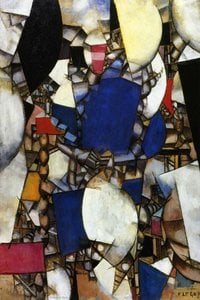
The two women, two sisters

Cubist masterpiece by Fernand Léger captures two women intertwined in a dynamic composition featuring geometric shapes and an apple – embodying the spirit of 1952’s industrial aesthetic. Explore this evocative artwork and bring its modernist elegance into your home.

Esplora l'arte di Fernand Léger (1881-1955), un pioniere del Cubismo e della 'Tubismo'. Scopri i suoi audaci dipinti figurativi che celebrano la vita moderna, le macchine e la forma umana. Un precursore del Pop Art!

Acquista un'immagine digitale ad alta risoluzione e ottimizzata, di qualità nettamente superiore all'anteprima online.

Ogni file è meticolosamente preparato dai nostri specialisti interni attraverso l'uso di strumenti avanzati e un sapiente ritocco manuale. Garantiamo che ogni immagine presenti una chiarezza eccezionale, una precisione cromatica impeccabile e dettagli raffinati.

Il file finale viene consegnato via e-mail entro 72 ore, ottimizzato per un uso immediato in contesti professionali, editoriali e di stampa. Si tratta della stessa qualità affidata ai più prestigiosi studi di design, editori e gallerie d'arte.

Immagine Digitale

Scarica un file ad alta risoluzione per uso personale, per la stampa e per progetti creativi. ( Passa alle stampe Ordina la riproduzione dipinta a mano)

Prezzo finale

$ 24,90

Incluso in ogni acquisto di immagini digitali

Consegna digitale professionale e garantita

Quando scegli WahooArt.com, non riceverai solo un'immagine: riceverai un'opera d'arte digitale professionalmente ottimizzata, realizzata con la massima precisione e accompagnata da una garanzia di soddisfazione. Ecco tutto ciò che include il tuo ordine, automaticamente:

shipping_icon
Consegna rapida via email

Riceverai il file dell'immagine digitale ad alta risoluzione via email entro 72 ore dall'ordine, pronto per un uso immediato.

canvas_icon
File digitale potenziato dall'IA

La tua opera d'arte viene ottimizzata professionalmente attraverso l'uso di strumenti avanzati di intelligenza artificiale e una revisione manuale, garantendo il massimo livello di dettaglio, nitidezza e accuratezza cromatica.

insurance_icon
Riconsegna gratuita a vita

Hai eliminato o perso accidentalmente il tuo file? Non preoccuparti: te lo invieremo di nuovo in qualsiasi momento, gratuitamente.

tax_icon
Nessun costo di importazione, mai

Goditi la tua opera d'arte istantaneamente senza costi doganali, dazi o spese di spedizione: i download digitali sono sempre esenti da tasse.

color_icon
Garanzia di fedeltà cromatica

Garantiamo che la tua immagine digitale rifletta i colori originali con la massima fedeltà, grazie all'uso di strumenti professionali e a una gestione accurata del colore.

return_icon
Garanzia soddisfatti o rimborsati 100 giorni

Se non sei soddisfatto della tua immagine digitale, la revisioneremo o ti rimborseremo il 100% entro 100 giorni, senza domande.

guarantee_icon
Garanzia di rimborso al 100%

Non sei soddisfatto? Ricevi un rimborso completo entro 100 giorni dal ricevimento del tuo file digitale, senza dover fornire spiegazioni.

discount_icon
Sconti per ordini multipli

Acquista 3 immagini, risparmia il 10% - Acquista 5, risparmia il 15% - Acquista 10+, risparmia il 20%. Ideale per progetti creativi, gallerie e agenzie.

Dettagli rapidi

  • Subject or theme: Female figures
  • Location: Private Collection
  • Influences: Picasso
  • Title: The two women, two sisters
  • Dimensions: 50 x 65 cm
  • Year: 1952
  • Notable elements or techniques: Geometric abstraction

A Symphony of Form and Texture: The Vision of Fernand Léger

In the quiet dialogue between geometry and reality, Fernand Léger’s 1952 masterpiece, "The Two Women, Two Sisters," emerges as a profound meditation on the mid-century aesthetic. This striking black and white cubist composition transcends mere depiction; it is a carefully constructed encounter with the burgeoning sensibilities of an era defined by industrial progress. Unlike the Impressionists, who sought to capture the fleeting shimmer of light, or the Expressionists, who prioritized raw emotion, Léger deliberately stripped away the superfluous. He focused instead on the structural essence of his subjects—planes intersecting planes—to convey a sense of rhythmic dynamism that feels both ancient and modern.

The artwork immediately captivates the viewer with its bold simplification of figures and space. Within this monochrome universe, Léger utilizes a meticulous approach to texture and tone. Through a sophisticated etching process involving zinc plates treated with mordant, he achieved an exceptional level of tonal precision. This technique allows for subtle gradations of grey that are essential for conveying the interplay of light and shadow, giving the flat geometric shapes a sculptural weight that commands attention in any curated space.

The Dance of Geometry and Human Connection

At the heart of the composition stand two women, their postures subtly mirroring one another in a way that suggests a deep, intrinsic bond. This visual echo creates a sense of harmony amidst the fractured perspectives characteristic of Cubism. One woman wears an elongated necklace that serves as a vital visual anchor, drawing the eye upward and emphasizing the verticality of the canvas. This movement is complemented by the presence of smaller, secondary figures—a man to the left and another near the center—which layer the composition and suggest the bustling energy of an urban environment.

Léger’s genius lies in his ability to weave symbolic motifs into this mechanical landscape. A single apple rests prominently in the upper right corner, a recurring element in his oeuvre that symbolizes fertility and the organic cycle of life. This small, rounded form provides a soft counterpoint to the sharp, angular lines of the figures, reminding the observer of the enduring connection between humanity and the natural world even amidst the rise of the machine age. For the collector or interior designer, this tension between the organic and the industrial offers a sophisticated narrative depth that elevates a room from mere decoration to a space of intellectual inquiry.

An Enduring Legacy for the Modern Interior

To possess a reproduction of "The Two Women, Two Sisters" is to invite the spirit of the 20th-century avant-garde into one's home. Léger’s work, often characterized by his unique "tubism" and fascination with the mechanical, serves as a forerunner to Pop Art, making it remarkably versatile for contemporary decor. The stark, monochromatic palette allows this piece to integrate seamlessly into minimalist, industrial, or mid-century modern interiors, acting as a focal point that stimulates conversation without overwhelming the surrounding environment.

The emotional impact of the piece is one of structured tranquility. There is a rhythmic, almost musical quality to the way the shapes are arranged, providing a sense of order and strength. Whether viewed by an art historian or a lover of fine aesthetics, Léger’s ability to find beauty in the precision of form remains unparalleled. This artwork is not merely a window into the past; it is a timeless celebration of the resilience and elegance of the human form within a changing world.


Biografia dell'artista

vitae e formazione

Fernand Léger, pittore, scultore e filmmaker francese, nacque il 4 febbraio 1881 ad Argentan, Orne, nella bassa Normandia. Suo padre allevava bovini e Léger iniziò la sua formazione come architetto nel 1897-1899. Successivamente si trasferì a Parigi nel 1900, sostenendosi con il lavoro di disegnatore architettonico.

sviluppo artistico

Le prime opere di Léger furono influenzate dall'impressionismo, come visto in Le jardin de ma mère (Il giardino di mia madre) (1905). Dopo aver frequentato la scuola d'arte decorativa e l'Académie Julian, iniziò a lavorare seriamente come pittore a 25 anni. Il suo stile si evolse in una forma personale di cubismo, che i critici definirono "tubismo" per la sua enfasi su forme cilindriche.

Cubismo e il gruppo dei Puteaux

Nel 1910, Léger espose al Salon d'automne insieme a Jean Metzinger e Henri Le Fauconnier. Entrò nel gruppo dei Puteaux, noto anche come la sezione d'or (la sezione aurea), insieme ad altri artisti come Francis Picabia e Marcel Duchamp.

Guerra e la sua influenza sull'opera di Léger

Le esperienze di Léger nella Prima Guerra Mondiale ebbero un impatto significativo sulla sua opera. Durante il suo tempo al fronte, produsse schizzi di pezzi d'artiglieria, aerei e soldati. Il suo dipinto Soldier with a Pipe (1916) riflette questo periodo.

Lavoro successivo e eredità

Il lavoro post-bellico di Léger, caratterizzato da forme meccaniche lisce, lo legò alla tradizione della pittura figurativa francese. I suoi paesaggi animati del 1921 mostrarono figure e animali in forme armoniose e razionalizzate. opere chiave: musei che espongono le opere di Léger:
Fernand Léger

Fernand Léger

1881 - 1955 , Francia

In breve

  • Artisti Influenti:
    • Cézanne
    • Impressionismo
  • Artisti Influenzati: ['Pop Art']
  • Data Di Nascita: 4 febbraio 1881
  • Luogo Di Nascita: Argentan, Francia
  • Movimento Artistico: Cubismo, Tubismo
  • Nazionalità: Francese
  • Nome Completo: Fernand Léger
  • Opere Notevoli:
    • La Grande Parata
    • L'Elemento Macchina
    • Donna Seduta
    • The City