Anteprima in scala reale Prova in AR Ordina la riproduzione dipinta a mano Passa all'immagine digitale Condividi
Dettagli Guida Aggiungi ai preferiti Scarica Articoli simili Radiografia Slideshow Statistiche

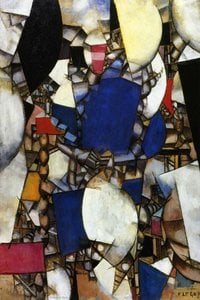
The nude model in the workshop

The nude model in the workshop by Fernand Léger – A vibrant cubist painting depicting a woman’s body as geometric shapes and lines, primarily red and yellow with blue accents. Divided into three sections showcasing dynamic movement and depth, Leger's artwork embodies the spirit of the machine age.

Esplora l'arte di Fernand Léger (1881-1955), un pioniere del Cubismo e della 'Tubismo'. Scopri i suoi audaci dipinti figurativi che celebrano la vita moderna, le macchine e la forma umana. Un precursore del Pop Art!

Giclée / Stampe d'arte

Stampa giclée o su tela di qualità museale, con produzione rapida e diverse opzioni di finitura. ( Ordina la riproduzione dipinta a mano Passa all'immagine digitale)

P118B $10
P118H $10
P118W $10
P438Z $10
P508JH $12
P508YH $12
P805H $10
P805Z $10
P919BZ $10
P919G $10
P919XJ $10
P959ZH $10
P968JZ $12
W106C $8
W218G $10
W218JH $8
W218Y $10
W307PJ $10
W316G $10
W316PJ $8
W316Y $10
W398PJ $8
W4111J $10
W500HY $15
W500JH $15
W692G $12
W849H $8
W940BG $15
W953PJ $8

Standard
personalizzato
CM
INCH

Scegli tra le nostre dimensioni predefinite, che rispettano le proporzioni originali dell'opera d'arte.

larghezza
altezza

È possibile inserire dimensioni personalizzate per adattare l'opera a una cornice o a uno spazio specifico. Se la dimensione selezionata non corrisponde alle proporzioni dell'immagine originale, procederemo al ritaglio dell'opera o all'estensione dell'immagine con un bordo specchiato o a tinta unita. Un mockup digitale ti verrà inviato per approvazione prima dell'inizio della produzione.
Si prega di notare che l'anteprima a schermo non riflette il ritaglio o l'estensione effettivi. Solo il mockup mostrerà accuratamente la composizione finale.
Sebbene siano disponibili dimensioni personalizzate, si raccomanda di selezionare una dimensione dall'elenco predefinito per preservare le proporzioni originali.

Consegna in tutto il mondo () in 2 settimane invece delle normali 4/5 settimane. (24 Settembre)

why_choose_icon
Spedizione espressa gratuita in tutto il mondo
why_choose_icon
Tela in lino di alta qualità
why_choose_icon
Assicurazione completa sulla spedizione
why_choose_icon
Garanzia di rimborso dei dazi doganali
why_choose_icon
Garanzia di perfetta fedeltà cromatica
why_choose_icon
Politica di reso entro 100 giorni (solo per difetti di fabbricazione)
why_choose_icon
Garanzia di rimborso al 100%
why_choose_icon
Sconto per acquisti multipli

Prezzo totale

$ 68

reproduction

The nude model in the workshop

Giclée / Stampe d'arte

Dimensioni della riproduzione

-

Prezzo totale

$ 68

Dettagli rapidi

  • Year: 1923
  • Subject or theme: Industrial landscape; Figure study
  • Medium: Oil on canvas
  • Artist: Fernand Léger
  • Dimensions: 75 x 60 cm
  • Location: Musée d'Art Moderne de Paris
  • Influences: Georges Braque

Quiz d'arte

Per ogni domanda è presente una sola risposta corretta.

Domanda 1:
What artistic movement is Fernand Léger primarily associated with?
Domanda 2:
The painting utilizes predominantly what colors?
Domanda 3:
How is the nude model depicted in Léger's artwork?
Domanda 4:
What does Léger aim to convey through his depiction of the workshop setting?
Domanda 5:
Fernand Léger's approach to abstraction differs from many other artists of his time by...

Fernand Léger: Capturing the Rhythm of Industry

Fernand Léger’s paintings represent more than just visual representations; they embody a profound engagement with the transformative forces reshaping Europe at the dawn of the 20th century. Born in Argentan, Normandy, in 1881, Léger initially pursued architecture but swiftly gravitated towards painting, establishing himself amidst the burgeoning artistic fervor of Paris.

  • Early Influences: Léger’s formative years were marked by exposure to Impressionism and Post-Impressionism – movements that championed capturing fleeting moments of light and color. However, Léger quickly recognized the limitations of these approaches in conveying the burgeoning anxieties surrounding industrialization.
  • Cubist Breakthrough: Léger's artistic breakthrough arrived with Cubism, spearheaded by Pablo Picasso and Georges Braque. Rejecting traditional perspective and embracing geometric abstraction, Léger sought to distill the essence of machine forms – pistons, gears, wheels – into simplified shapes that pulsed with rhythmic energy.

His technique involved applying thick layers of paint—often referred to as “impasto”—to create textured surfaces that mirrored the physicality of industrial machinery. Léger meticulously studied blueprints and photographs of factories, translating these observations into canvases dominated by bold reds, yellows, and blacks. These colors weren’t merely decorative; they served as symbolic representations of heat, fire, and the relentless drive of technological progress.

Notable Works:
  • Composition VIII (1930): This iconic painting exemplifies Léger's Cubist style, presenting a fragmented depiction of industrial forms arranged in dynamic equilibrium.
  • The City (1931): Léger’s monumental canvas captures the overwhelming scale and chaotic rhythm of urban life, conveying both apprehension and exhilaration.

Beyond its formal innovations, Léger's art possesses a palpable emotional resonance. He aimed to provoke contemplation about humanity’s relationship with technology – questioning whether progress inevitably leads to dehumanization or whether it can inspire awe and wonder. Léger’s paintings continue to resonate today as reminders of a pivotal moment in artistic history—a bold assertion that beauty could be found even amidst the clangorous machinery of the industrial age.

Symbolism Within Geometric Abstraction

Léger's use of color and form wasn’t arbitrary; it carried symbolic weight. Red, representing heat and passion, contrasted with yellow, symbolizing illumination and optimism. The repetition of geometric shapes—circles, squares, triangles—created a visual rhythm that mirrored the mechanical processes he observed in factories.

Technique: Impasto and Blueprint Studies

Léger’s distinctive technique involved applying paint thickly onto the canvas – “impasto” – creating textured surfaces that resembled industrial components. He meticulously studied blueprints and photographs of factories, translating these observations into simplified geometric forms.

Historical Context: The Rise of Industrialization

Léger’s artistic vision emerged during a period of unprecedented industrial expansion across Europe. Artists like Léger responded to this transformative era by rejecting traditional representational conventions and embracing abstraction as a means of conveying the anxieties and aspirations associated with technological advancement.

Emotional Impact: Reflection on Humanity's Future

Léger’s paintings invite viewers to confront questions about humanity’s role in shaping its own destiny. They convey both apprehension regarding the potential for dehumanization and exhilaration at the prospect of embracing technological progress—a legacy that continues to inspire artists and collectors alike.


Biografia dell'artista

vitae e formazione

Fernand Léger, pittore, scultore e filmmaker francese, nacque il 4 febbraio 1881 ad Argentan, Orne, nella bassa Normandia. Suo padre allevava bovini e Léger iniziò la sua formazione come architetto nel 1897-1899. Successivamente si trasferì a Parigi nel 1900, sostenendosi con il lavoro di disegnatore architettonico.

sviluppo artistico

Le prime opere di Léger furono influenzate dall'impressionismo, come visto in Le jardin de ma mère (Il giardino di mia madre) (1905). Dopo aver frequentato la scuola d'arte decorativa e l'Académie Julian, iniziò a lavorare seriamente come pittore a 25 anni. Il suo stile si evolse in una forma personale di cubismo, che i critici definirono "tubismo" per la sua enfasi su forme cilindriche.

Cubismo e il gruppo dei Puteaux

Nel 1910, Léger espose al Salon d'automne insieme a Jean Metzinger e Henri Le Fauconnier. Entrò nel gruppo dei Puteaux, noto anche come la sezione d'or (la sezione aurea), insieme ad altri artisti come Francis Picabia e Marcel Duchamp.

Guerra e la sua influenza sull'opera di Léger

Le esperienze di Léger nella Prima Guerra Mondiale ebbero un impatto significativo sulla sua opera. Durante il suo tempo al fronte, produsse schizzi di pezzi d'artiglieria, aerei e soldati. Il suo dipinto Soldier with a Pipe (1916) riflette questo periodo.

Lavoro successivo e eredità

Il lavoro post-bellico di Léger, caratterizzato da forme meccaniche lisce, lo legò alla tradizione della pittura figurativa francese. I suoi paesaggi animati del 1921 mostrarono figure e animali in forme armoniose e razionalizzate. opere chiave: musei che espongono le opere di Léger:
Fernand Léger

Fernand Léger

1881 - 1955 , Francia

Informazioni rapide

  • Artisti Influenti:
    • Cézanne
    • Impressionismo
  • Artisti Influenzati: ['Pop Art']
  • Data Di Nascita: 4 febbraio 1881
  • Luogo Di Nascita: Argentan, Francia
  • Movimento Artistico: Cubismo, Tubismo
  • Nazionalità: Francese
  • Nome Completo: Fernand Léger
  • Opere Notevoli:
    • La Grande Parata
    • L'Elemento Macchina
    • Donna Seduta
    • The City
Esplora le opere d'arte organizzate per temi, stili e caratteristiche.