x
Anteprima in scala realeAnteprima in scala reale Anteprima ARAnteprima AR Acquista stampa Acquista stampaAcquista il dipinto realizzato a mano Acquista il dipinto realizzato a mano InviaInvia
Dettagli operaDettagli opera Aggiungi ai preferiti Aggiungi ai preferiti Scarica immagineScarica immagine SimiliSimili RadiografiaRadiografia SlideshowSlideshow

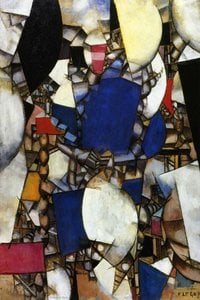
The man in the tavern

Discover "The Man in the Tavern" by Fernand Léger! A modernist masterpiece featuring a lively tavern scene & a motorcycle backdrop. Explore Cubism & Leger's iconic style.

Esplora l'arte di Fernand Léger (1881-1955), un pioniere del Cubismo e della 'Tubismo'. Scopri i suoi audaci dipinti figurativi che celebrano la vita moderna, le macchine e la forma umana. Un precursore del Pop Art!

Acquista un'immagine digitale ad alta risoluzione e ottimizzata, di qualità nettamente superiore all'anteprima online.

Ogni file è meticolosamente preparato dai nostri specialisti interni attraverso l'uso di strumenti avanzati e un sapiente ritocco manuale. Garantiamo che ogni immagine presenti una chiarezza eccezionale, una precisione cromatica impeccabile e dettagli raffinati.

Il file finale viene consegnato via e-mail entro 72 ore, ottimizzato per un uso immediato in contesti professionali, editoriali e di stampa. Si tratta della stessa qualità affidata ai più prestigiosi studi di design, editori e gallerie d'arte.

Immagine Digitale

Scarica un file ad alta risoluzione per uso personale, per la stampa e per progetti creativi. (Acquista stampa Acquista stampaAcquista il dipinto realizzato a mano Acquista il dipinto realizzato a mano)

Prezzo totale

$ 24,90

Incluso in ogni ordine di immagini digitali

Consegna digitale professionale e garantita

Quando scegli WahooArt.com, non riceverai solo un'immagine: riceverai un'opera d'arte digitale professionalmente ottimizzata, realizzata con la massima precisione e accompagnata da una garanzia di soddisfazione. Ecco tutto ciò che include il tuo ordine, automaticamente:

shipping_icon
Consegna rapida via email

Riceverai il file dell'immagine digitale ad alta risoluzione via email entro 72 ore dall'ordine, pronto per un uso immediato.

canvas_icon
File digitale ottimizzato dall'IA

La tua opera d'arte viene ottimizzata professionalmente attraverso l'uso di strumenti avanzati di intelligenza artificiale e una revisione manuale, garantendo il massimo livello di dettaglio, nitidezza e accuratezza cromatica.

insurance_icon
Riconsegna gratuita a vita

Hai eliminato o perso accidentalmente il tuo file? Non preoccuparti: te lo invieremo di nuovo in qualsiasi momento, gratuitamente.

tax_icon
Nessun costo di importazione, mai

Goditi la tua opera d'arte istantaneamente senza costi doganali, dazi o spese di spedizione: i download digitali sono sempre esenti da tasse.

color_icon
Garanzia di fedeltà cromatica

Garantiamo che la tua immagine digitale rifletta i colori originali con la massima fedeltà, grazie all'uso di strumenti professionali e a una gestione accurata del colore.

return_icon
Garanzia soddisfazione 60 giorni

Se non sei soddisfatto della tua immagine digitale, la revisioneremo o ti rimborseremo il 100% entro 60 giorni, senza domande.

guarantee_icon
Garanzia di rimborso al 100%

Non sei soddisfatto? Ricevi un rimborso completo entro 60 giorni dal ricevimento del tuo file digitale, senza dover fornire spiegazioni.

discount_icon
Sconti per ordini multipli

Acquista 3 immagini, risparmia il 10% - Acquista 5, risparmia il 15% - Acquista 10+, risparmia il 20%. Ideale per progetti creativi, gallerie e agenzie.

Informazioni rapide

  • year: 1917-1924 (debated)
  • style: Tubism
  • subject: Tavern scene with figures and a motorcycle
  • title: The Man in the Tavern
  • notable elements: Motorcycle, fragmented forms, cylindrical shapes, bold colors

Quiz d'arte

Per ogni domanda è presente una sola risposta corretta.

Domanda 1:
Fernand Léger's style, characterized by simplified cylindrical forms, is often referred to as:
Domanda 2:
What unusual element appears in the background of 'The Man in the Tavern', reflecting Léger's fascination with modern life?
Domanda 3:
Approximately when was 'The Man in the Tavern' created?
Domanda 4:
Léger's work, including 'The Man in the Tavern', can be seen as a precursor to which later art movement?
Domanda 5:
What is a key characteristic of Léger's brushwork in this painting?

A Modern Gathering: Unveiling Léger’s “The Man in the Tavern”

Fernand Léger's “The Man in the Tavern” is a vibrant and dynamic exploration of modern life, painted sometime between 1917-1924. This captivating work exemplifies Léger’s distinctive ‘Tubism,’ a compelling offshoot of Cubism that celebrates the beauty of machinery and the energy of the industrial age.

Subject & Composition: A Slice of Modern Social Life

The painting presents an intimate scene within a bustling tavern. At least five figures are depicted, engaged in convivial conversation around a table laden with glasses, bottles, and other objects suggestive of refreshment and camaraderie. Léger deliberately fragments and geometrizes the composition; forms break down into cylindrical shapes and planes of color – hallmarks of his aesthetic. A centrally placed chair anchors the scene, immediately drawing the viewer’s eye, while another to the right subtly guides our gaze. Most strikingly, a motorcycle appears in the background—an unusual yet deliberate inclusion that speaks volumes about Léger's fascination with modern technology and its integration into everyday existence.

Style & Technique: The Power of ‘Tubism’

Léger’s “Tubism” is immediately apparent. Unlike the analytical fragmentation of early Cubism, his approach favors simplified, almost architectural forms. He employs bold colors—often primary hues—and strong contrasts to create a sense of solidity and monumentality. The brushwork isn't delicate; instead, it’s assertive and precise, emphasizing the constructed nature of the image. This technique reflects Léger’s belief in the beauty of the machine age and his desire to create an art that was accessible and relevant to modern society.

Historical Context & Artistic Significance: From War's Shadow to Modern Optimism

“The Man in the Tavern” emerges from a pivotal moment in art history. Following his experiences during World War I, Léger sought to reconcile the horrors of war with a celebration of life and progress. He rejected purely abstract forms, instead focusing on representing the world around him—factories, machines, and people—in a new visual language. This painting embodies that shift; it’s not merely a depiction of a tavern scene but a symbolic representation of modern social interaction within an increasingly industrialized world. Léger's work foreshadowed Pop Art by celebrating popular culture and everyday objects.

Symbolism & Emotional Impact: Energy, Alienation, and the Modern Spirit

The painting evokes a sense of bustling energy and camaraderie, yet there’s also a subtle undercurrent of detachment. The fragmented forms and simplified figures create a slightly alienating effect, perhaps reflecting the anonymity that can accompany modern life. However, the vibrant colors and dynamic composition ultimately convey a feeling of optimism and vitality. It's a scene that feels both familiar and strangely new – a testament to Léger’s ability to capture the complexities of the modern human experience.

Display & Interior Design Recommendations

“The Man in the Tavern” would be a stunning focal point in various settings:

  • Modern Living Room: Its bold colors and geometric forms complement contemporary furniture and décor.
  • Dining Room: The tavern scene creates an inviting atmosphere, perfect for entertaining.
  • Home Office/Study: Its intellectual energy can inspire creativity and focus.

To best showcase the painting, consider a neutral wall color that allows the vibrant hues to pop. Strategic lighting will highlight the texture and dimensionality of Léger’s brushwork. Framing in a simple, modern frame – perhaps black or silver – would further enhance its contemporary appeal. This artwork is more than just a visual statement; it's an investment in a piece of art history that embodies the spirit of modernity.


Biografia dell'artista

vitae e formazione

Fernand Léger, pittore, scultore e filmmaker francese, nacque il 4 febbraio 1881 ad Argentan, Orne, nella bassa Normandia. Suo padre allevava bovini e Léger iniziò la sua formazione come architetto nel 1897-1899. Successivamente si trasferì a Parigi nel 1900, sostenendosi con il lavoro di disegnatore architettonico.

sviluppo artistico

Le prime opere di Léger furono influenzate dall'impressionismo, come visto in Le jardin de ma mère (Il giardino di mia madre) (1905). Dopo aver frequentato la scuola d'arte decorativa e l'Académie Julian, iniziò a lavorare seriamente come pittore a 25 anni. Il suo stile si evolse in una forma personale di cubismo, che i critici definirono "tubismo" per la sua enfasi su forme cilindriche.

Cubismo e il gruppo dei Puteaux

Nel 1910, Léger espose al Salon d'automne insieme a Jean Metzinger e Henri Le Fauconnier. Entrò nel gruppo dei Puteaux, noto anche come la sezione d'or (la sezione aurea), insieme ad altri artisti come Francis Picabia e Marcel Duchamp.

Guerra e la sua influenza sull'opera di Léger

Le esperienze di Léger nella Prima Guerra Mondiale ebbero un impatto significativo sulla sua opera. Durante il suo tempo al fronte, produsse schizzi di pezzi d'artiglieria, aerei e soldati. Il suo dipinto Soldier with a Pipe (1916) riflette questo periodo.

Lavoro successivo e eredità

Il lavoro post-bellico di Léger, caratterizzato da forme meccaniche lisce, lo legò alla tradizione della pittura figurativa francese. I suoi paesaggi animati del 1921 mostrarono figure e animali in forme armoniose e razionalizzate. opere chiave: musei che espongono le opere di Léger:
Fernand Léger

Fernand Léger

1881 - 1955 , Francia

In sintesi

  • Artisti Influenti:
    • Cézanne
    • Impressionismo
  • Artisti Influenzati: ['Pop Art']
  • Data Di Nascita: 4 febbraio 1881
  • Luogo Di Nascita: Argentan, Francia
  • Movimento Artistico: Cubismo, Tubismo
  • Nazionalità: Francese
  • Nome Completo: Fernand Léger
  • Opere Notevoli:
    • La Grande Parata
    • L'Elemento Macchina
    • Donna Seduta
    • The City